Lifting Gear
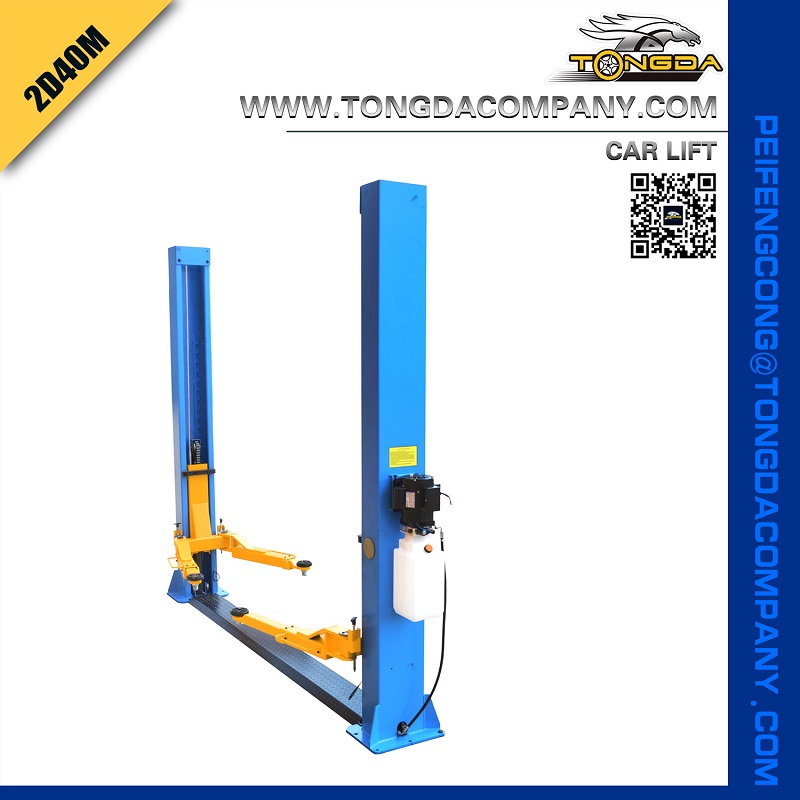
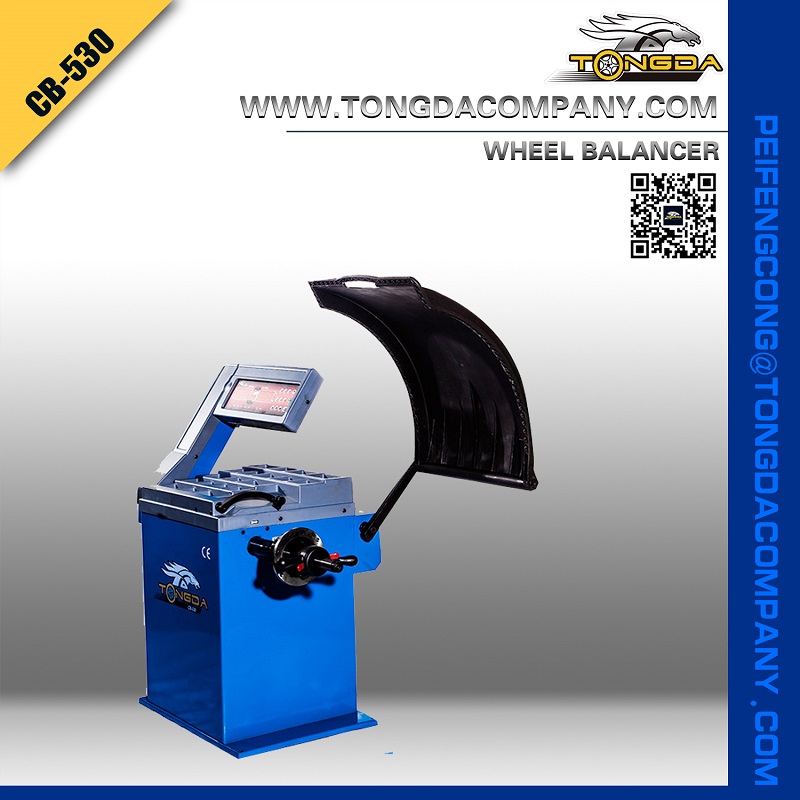
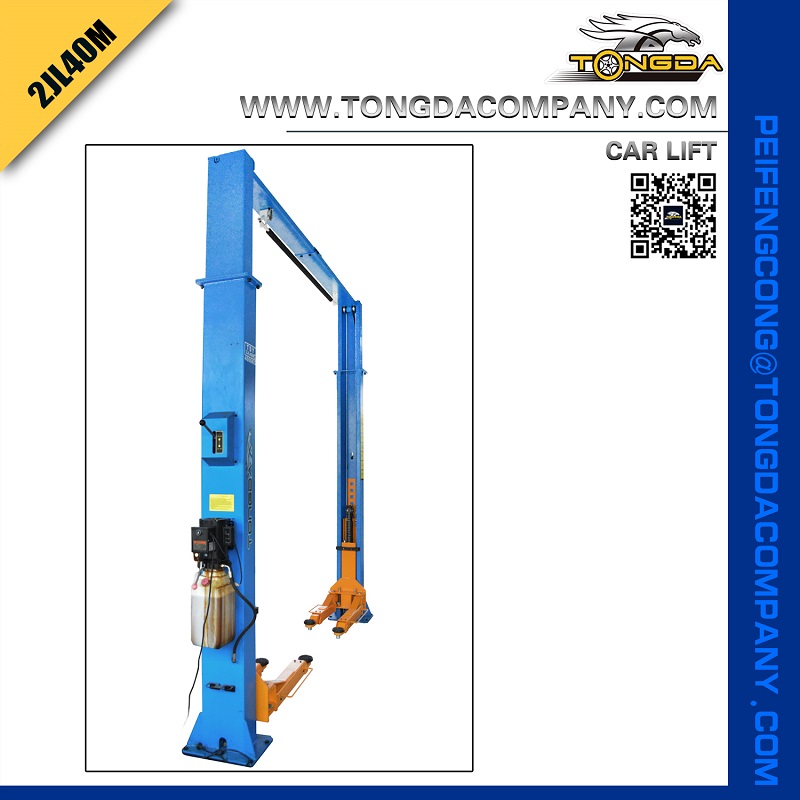
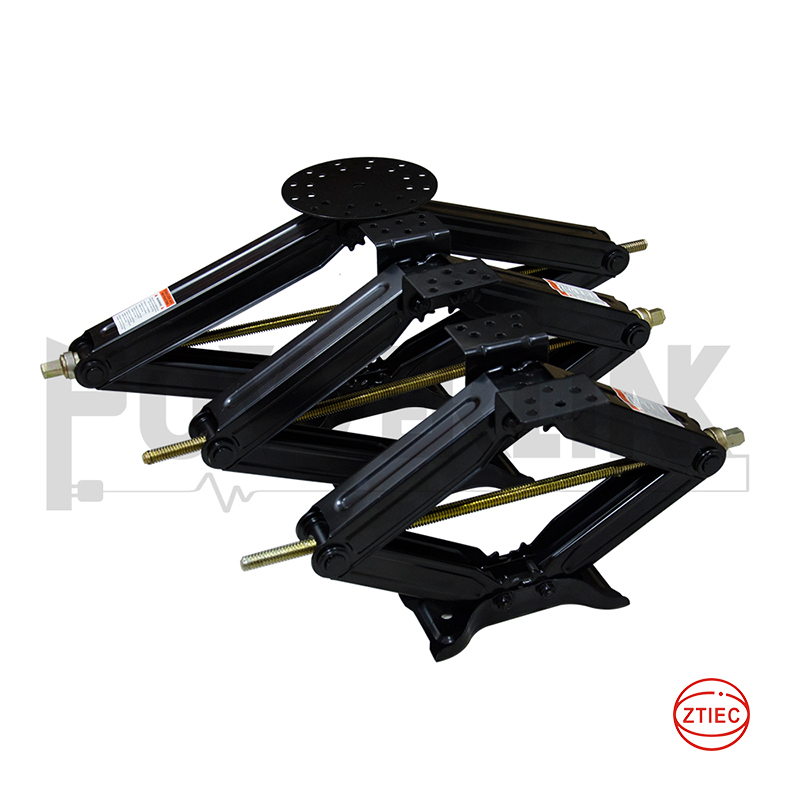
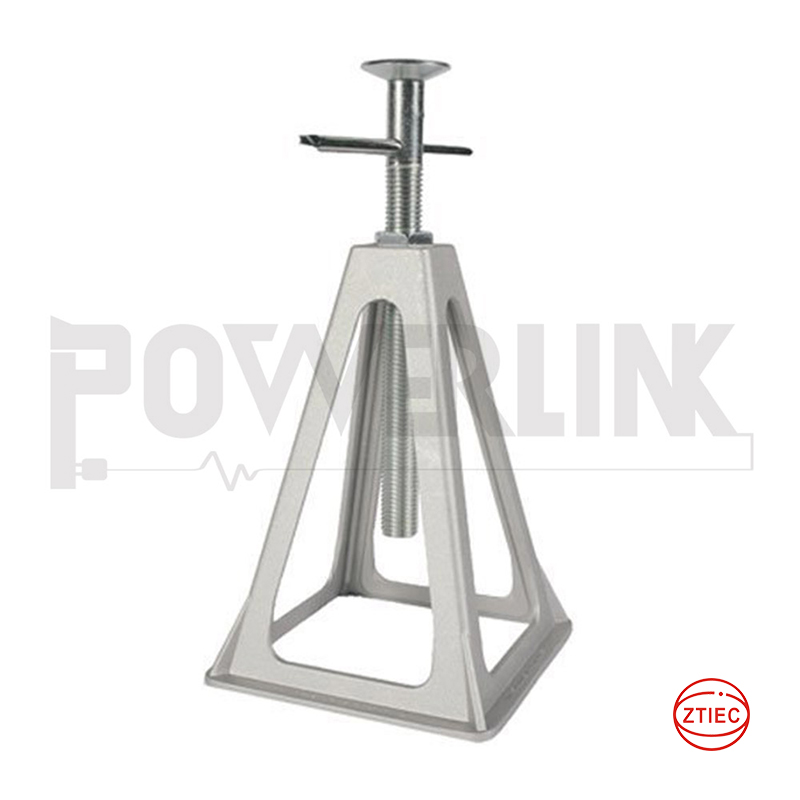
Source professional automotive lifting gear from vetted manufacturers and suppliers. This catalog is designed for importers, wholesale distributors, and aftermarket brands seeking reliable bulk production, OEM customization, and private-label manufacturing for high-capacity workshop equipment.
Sourcing automotive lifting gear requires balancing intense downward price pressure with absolute, non-negotiable safety standards. Whether you are importing heavy-duty two-post shop lifts or container loads of hydraulic floor jacks, the core sourcing challenge remains the same: verifying that the factory's material specifications and hydraulic components match their load ratings, and ensuring those standards do not drift between the first sample and the final production run.
Engineering and Material Specifications
The reliability of lifting equipment is dictated by the quality of its structural steel and the precision of its hydraulic systems. When negotiating with manufacturers, vague specifications lead to compromised safety and shortened equipment lifespans.
Structural Integrity
For load-bearing components like columns, arms, and carriage assemblies, the steel grade is critical. Standard duty equipment often utilizes Q235 steel, but commercial-grade lifts should specify Q345 or Q460 high-tensile structural steel. Factory verification is essential here; lower-tier suppliers may substitute thinner gauge steel or lower-grade alloys to cut costs, which becomes evident only under maximum load testing.
Watch for Substandard Welding
Robotic welding ensures consistent penetration and structural integrity on critical joints. Manual welding on heavy lifting gear introduces human error. Always verify the factory's welding automation capabilities and non-destructive testing (NDT) protocols.
Hydraulic and Mechanical Systems
The hydraulic cylinders and pump units are the most frequent points of failure in lifting gear. Specify the origin and material of the hydraulic seals (e.g., Japanese NOK polyurethane seals) to prevent fluid bypass and load drift. Furthermore, mechanical safety locks and hydraulic burst valves (velocity fuses) must be integrated and rigorously tested.
| Specification | Entry-Level / DIY | Commercial / Professional |
|---|---|---|
| Steel Grade | Q235 (Standard Carbon) | Q345 / Q460 (High Tensile) |
| Hydraulic Seals | Standard NBR | Premium Polyurethane |
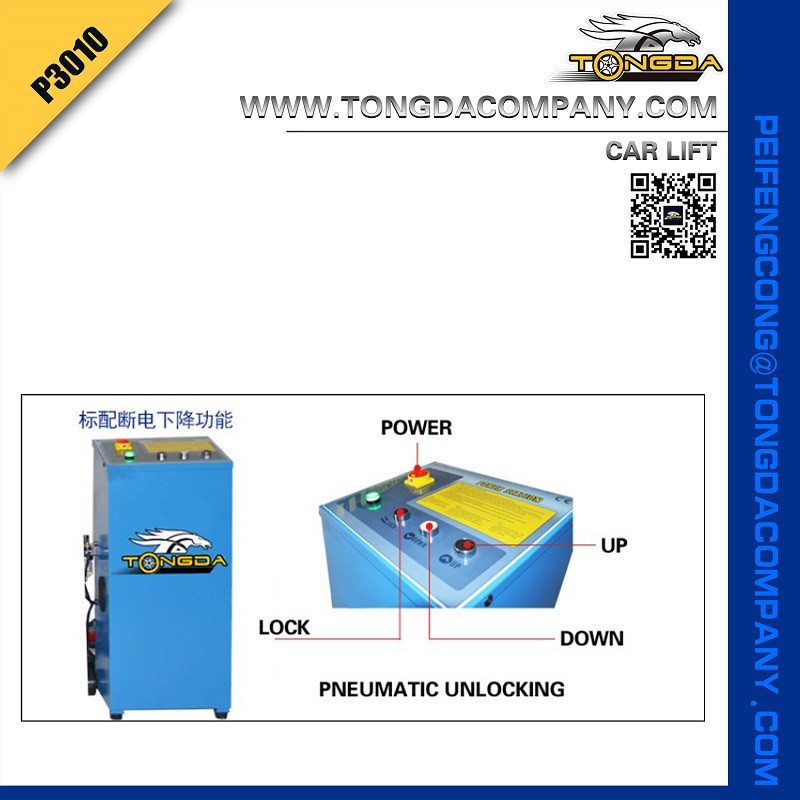
| Safety Mechanisms | Single-point manual release | Dual-point or pneumatic release |
| Motor Quality | Aluminum wire winding | 100% Copper wire winding |
Need to verify a factory's engineering capabilities? We conduct rigorous on-site audits to ensure your supplier has the equipment and quality controls necessary for safe lifting gear production.
Talk to our teamQuality Control and Compliance Standards
Automotive lifting gear is heavily regulated. In North America, the Automotive Lift Institute (ALI) and ASME PASE standards dictate design and testing requirements. In Europe, CE certification under the Machinery Directive is mandatory.
Relying solely on a supplier's provided certificates is a common pitfall. Certificates can be outdated, forged, or apply to a different product line. Proper factory audits are necessary to verify that the manufacturer holds valid, verifiable certifications for the exact models you are importing.
Essential Testing Protocols
Before approving a shipment, comprehensive quality control & inspection must be executed. A proper inspection protocol for lifting gear includes:
Pre-Shipment Inspection Checklist for Lifting Gear
- Static Load Testing: Sustaining up to 150 percent of rated capacity without deformation.
- Dynamic Load Testing: Operating smoothly at 115 percent to 125 percent of rated capacity.
- Hydraulic Pressure Tests: Checking for seal leaks and holding pressure over 24 hours.
- Safety Lock Engagement: Verifying mechanical locks engage simultaneously and securely.
- Coating Thickness: Measuring powder coat or paint thickness to ensure corrosion resistance.
If you are developing proprietary equipment or modifying existing designs, engaging compliance & testing services early in the prototyping phase prevents costly redesigns and customs delays later.
Production Realities: MOQ, Pricing, and Lead Times
Understanding standard factory requirements helps in negotiating better terms and planning your supply chain effectively. Lifting gear spans a wide range of products, from 2-ton portable jacks to 15,000-lb heavy-duty shop lifts, heavily impacting shipping and production metrics.
Raw material costs (specifically global steel prices) and currency exchange rates heavily influence pricing. Quotes are typically valid for 15 to 30 days. Because lifting gear is exceptionally heavy and dense, freight optimization is a major factor in landed costs. Working with experienced logistics partners to maximize container space without exceeding weight limits is crucial for maintaining margins.
Managing production schedules and container loading for heavy equipment is complex. Let us handle your sourcing and logistics from the factory floor to your warehouse.
Get a free consultationBuyer FAQ
Successfully sourcing lifting gear means looking past the surface paint and load rating decals to scrutinize the structural engineering and factory quality management systems. By enforcing strict material standards and comprehensive testing, you protect your brand's reputation and your customers' safety.
Get Sourcing Help for Lifting Gear
Tell us your requirements and our experts will connect you with verified manufacturers.