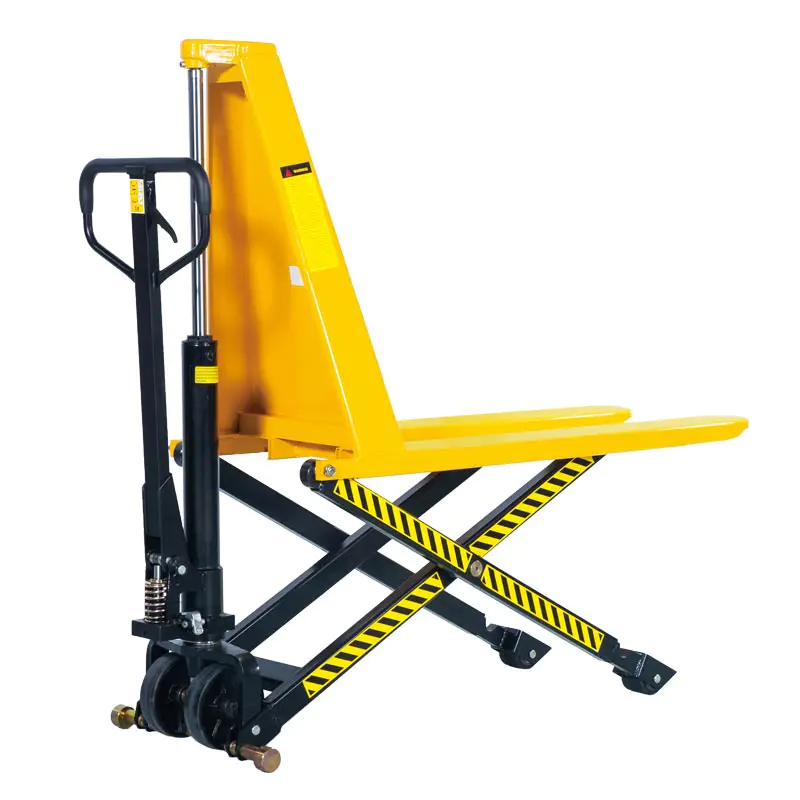
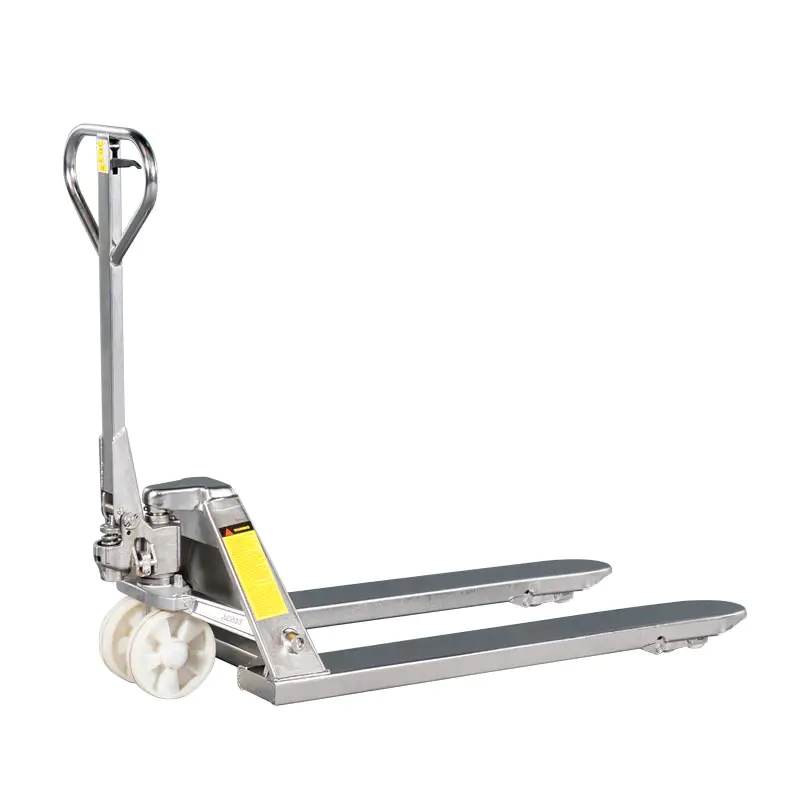
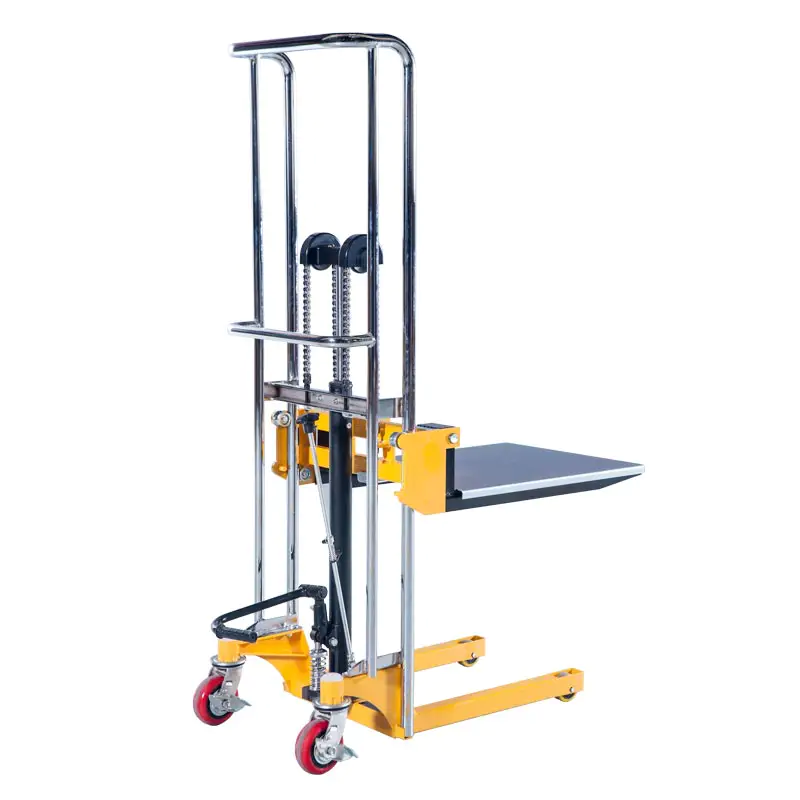
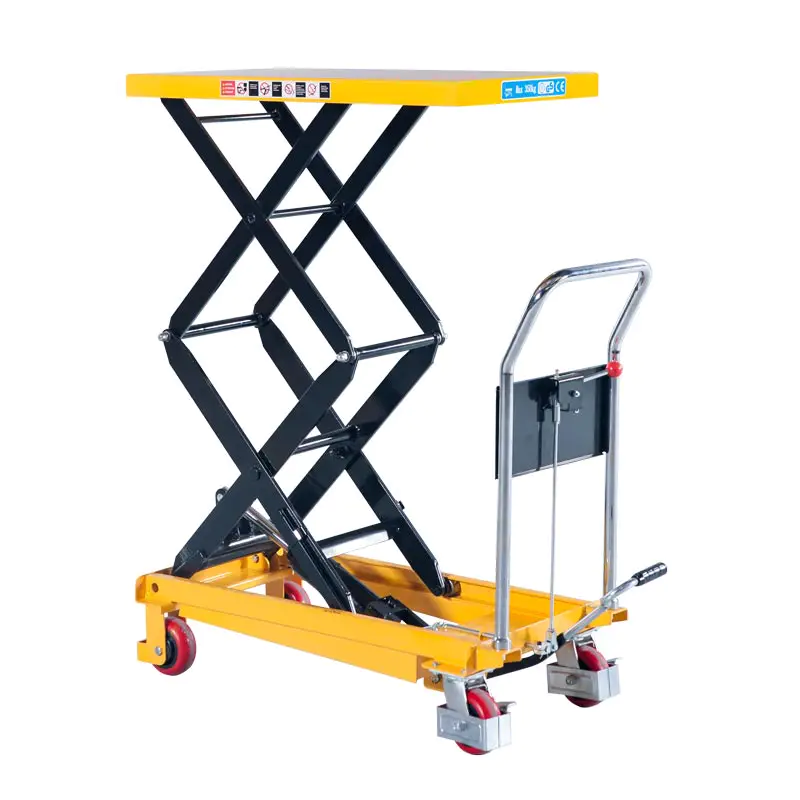
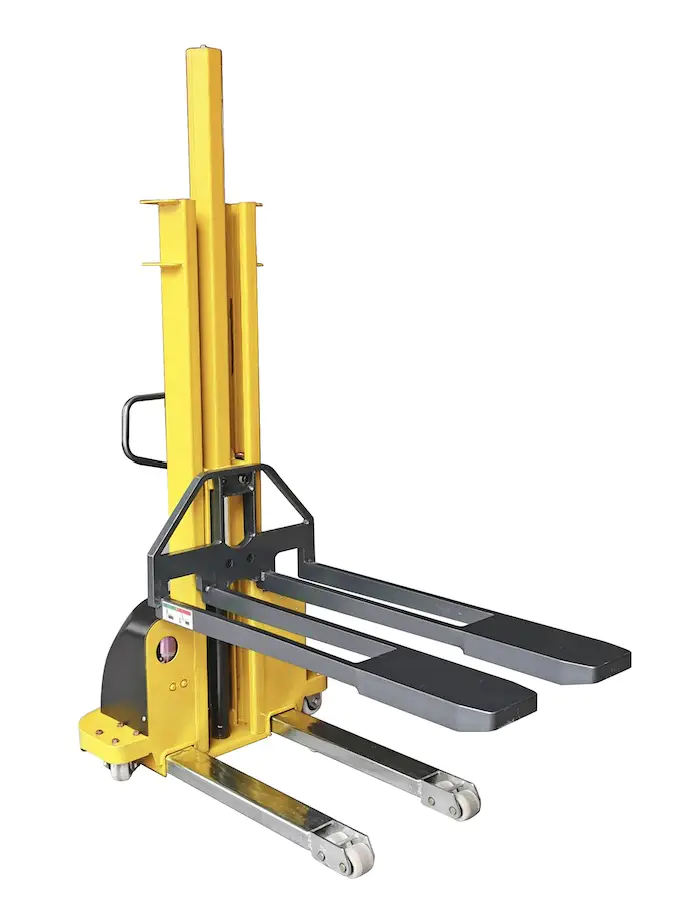
Lift Tables
Source high-quality lift tables from vetted manufacturers and suppliers across Asia. Designed for importers, industrial distributors, and brands seeking reliable OEM production, our network delivers robust material handling solutions built for volume scale and structural integrity.
Sourcing industrial lift tables in volume requires strict attention to structural integrity and hydraulic reliability. A failure in a scissor lift mechanism does not just disrupt workflow; it creates severe safety liabilities and equipment damage. The core sourcing challenge is identifying manufacturing partners capable of consistent, high-penetration welding and precision cylinder machining, rather than assembly workshops relying on off-the-shelf, low-grade components.
Engineering Specifications & Component Quality
When evaluating a manufacturer's technical capability, the bill of materials (BOM) tells the true story. Lift tables are subjected to dynamic loads, eccentric loading (off-center weight), and high duty cycles. Specifying the right materials upfront prevents premature failure in the field.
The primary structural steel used in Asian manufacturing is typically Q235 (standard carbon steel) or Q345 (high-strength, low-alloy steel). For heavy-duty or high-capacity tables, Q345 is non-negotiable for the scissor arms and base frame to prevent deflection under maximum load.
| Component | Standard Commercial | Heavy Industrial |
|---|---|---|
| Scissor Arms | Standard tube / solid bar | Heavy-wall rectangular RHS |
| Hydraulic Pump | Standard domestic (China) | Imported (e.g., Bucher) or premium domestic |
| Pivot Pins | Standard steel, greased | Hardened steel, self-lubricating bushings |
| Cylinder Seals | Standard NBR | Premium polyurethane (e.g., NOK) |
Beyond the steel, the hydraulic system dictates the lifespan of the unit. Buyers must specify the origin and brand of the hydraulic pump station and the quality of the cylinder seals. Inferior seals lead to "creep" (the table slowly lowering under load) and fluid leaks.
Need help verifying a factory's engineering capabilities and BOM accuracy?
Talk to our teamManufacturing Processes & Defect Prevention
The difference between a reliable lift table and a liability is often found in the factory's welding and machining processes. Robotic welding is increasingly standard among top-tier manufacturers, ensuring consistent bead profiles and deep penetration on critical joints, particularly where the hydraulic cylinders mount to the scissor arms.
If a factory relies heavily on manual welding, rigorous quality control inspections are required to check for porosity, undercut, or incomplete fusion.
Critical Factory-Level QC Checkpoints
- Weld penetration and consistency on scissor arm pivot points.
- Hydraulic cylinder pressure retention (drop testing under 110 percent to 125 percent load).
- Smoothness of ascent/descent without juddering, binding, or unequal lifting.
- Functionality of the perimeter safety trip bar (aluminum contact edge).
- Surface treatment adhesion (powder coating thickness and bake temperature).
Pricing, MOQs, and Production Realities
Lift table pricing is highly sensitive to raw material costs (specifically global steel indices) and the selection of hydraulic components. Upgrading from a basic domestic pump to a European-branded hydraulic power unit will significantly increase the unit cost but is often necessary for industrial end-users.
Custom platform sizes, specific lowered heights, or specialized tops (roller conveyors, turntables) will push MOQs higher or incur engineering fees. When developing these custom solutions, utilizing comprehensive OEM/ODM services ensures that your specific load profiles and duty cycles are accurately translated into the factory's production drawings. Furthermore, conducting thorough factory audits before placing large orders is essential to confirm the supplier has the actual machining and testing equipment on-site, rather than subcontracting the critical structural work.
Looking to optimize your material handling supply chain and consolidate shipments?
Get a free consultationFrequently Asked Questions
Securing reliable lift tables at scale requires moving beyond unit price and focusing on structural engineering and hydraulic component sourcing. By partnering with vetted manufacturers who understand industrial duty cycles, importers can build a resilient, high-margin product line.
Get Sourcing Help for Lift Tables
Tell us your requirements and our experts will connect you with verified manufacturers.