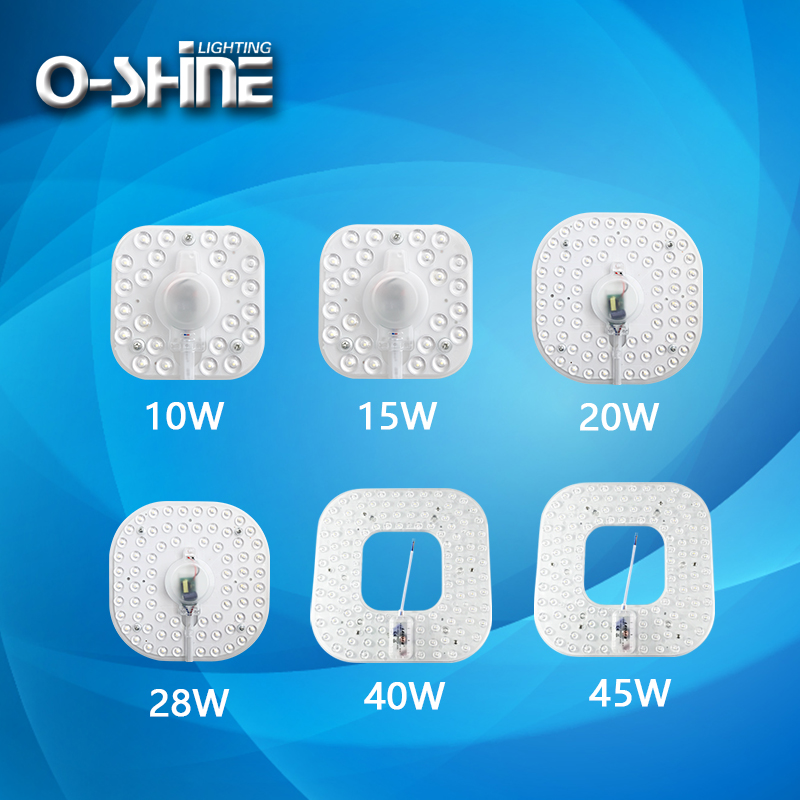
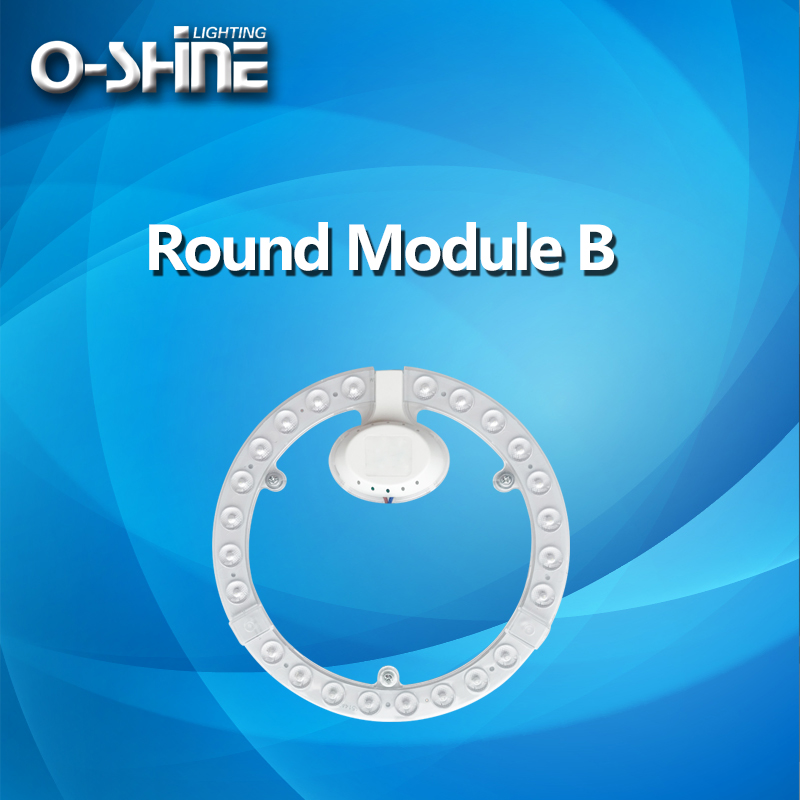
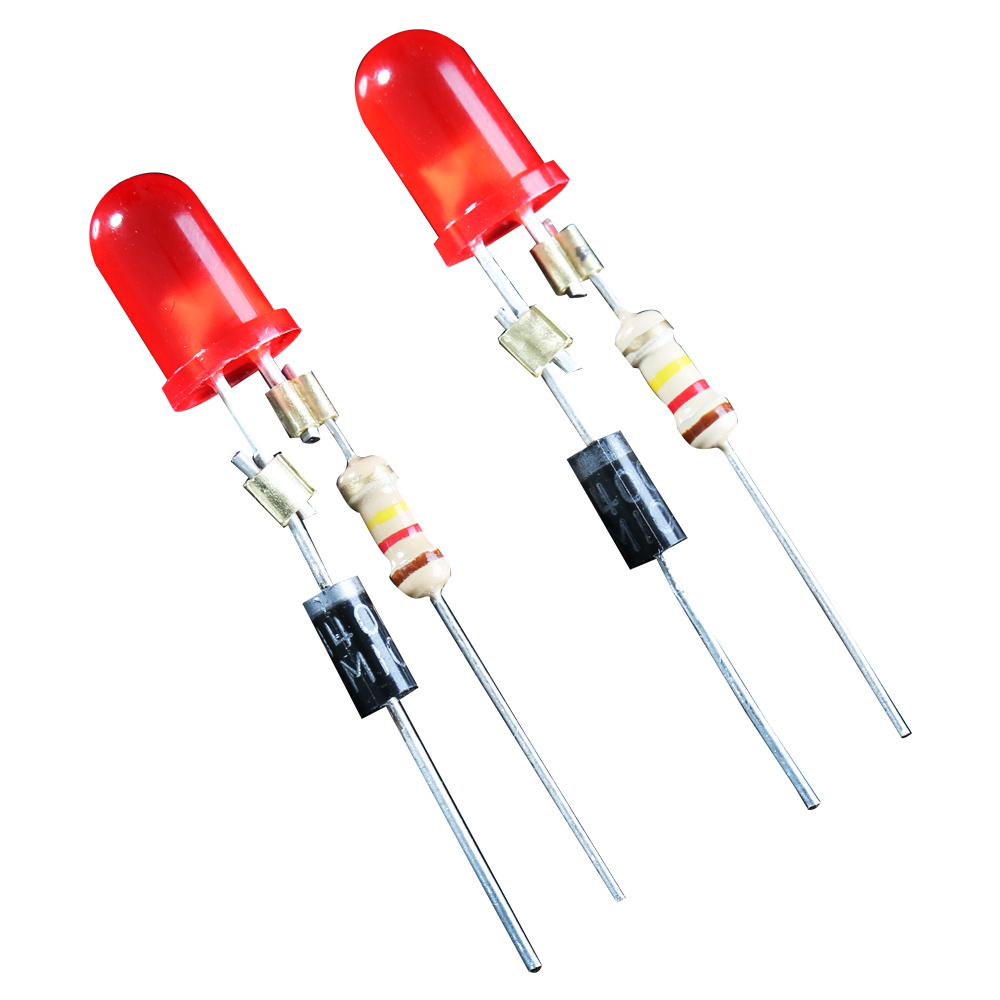
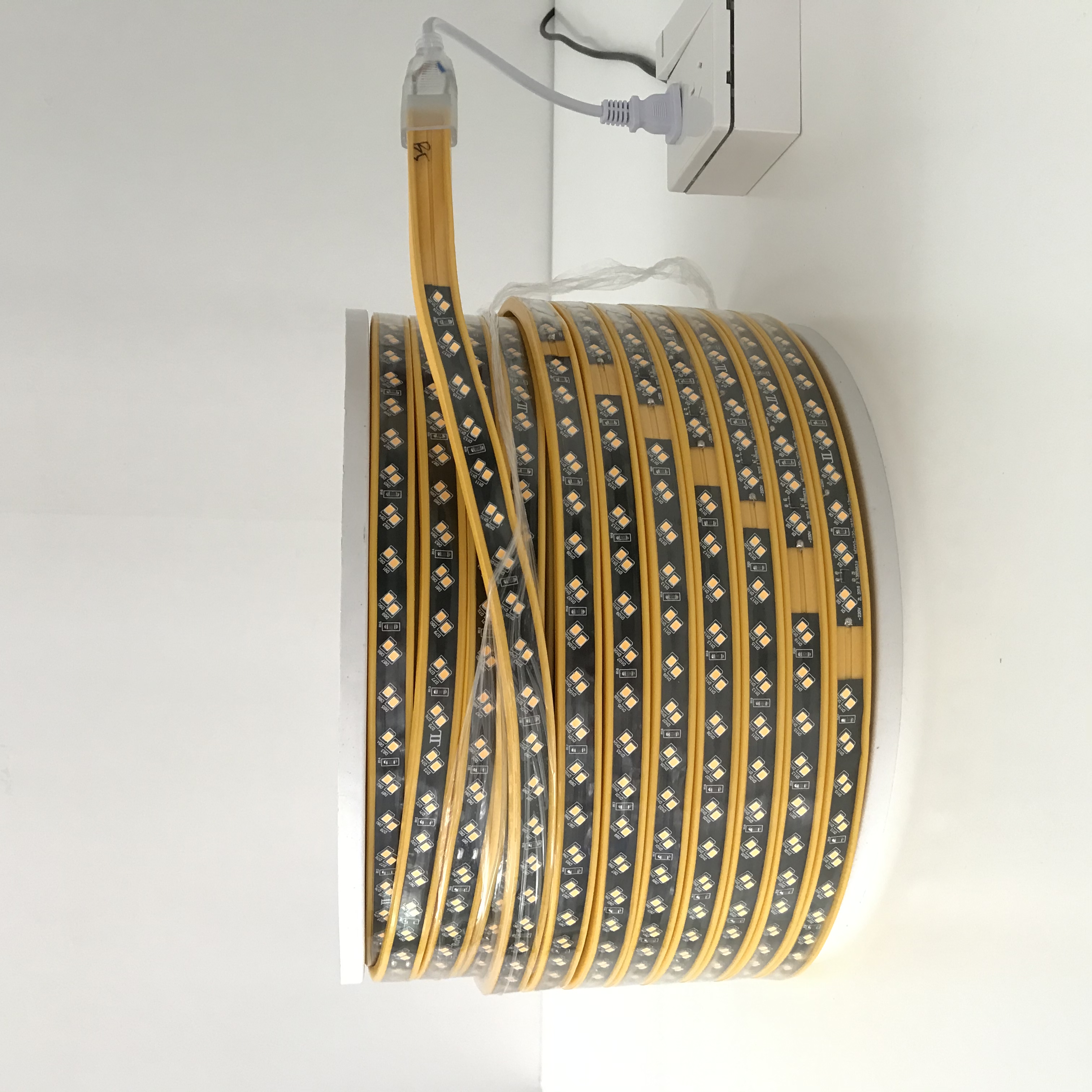
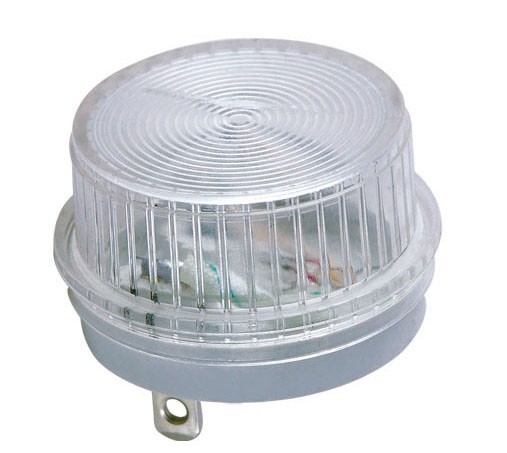
LED Modules
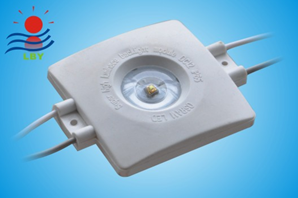
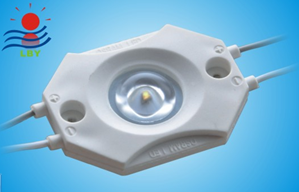
Source commercial-grade LED modules in bulk directly from vetted Chinese manufacturers. Designed for importers, distributors, and lighting brands seeking wholesale pricing or OEM/ODM production. Secure reliable supply chains with factory-direct components built to your exact lumen, thermal, and IP specifications.
Sourcing LED modules at scale requires strict control over diode binning, thermal dissipation, and ingress protection. Whether you are procuring injection-molded modules for illuminated signage or high-power street lighting engines, minor inconsistencies in the bill of materials (BOM) can lead to catastrophic failure rates and color shifting in the field.
Key Specifications for Commercial LED Modules
When negotiating with manufacturers, specifying the correct components is critical. The foundation of any reliable LED module lies in the SMD (Surface-Mount Device) package, the PCB substrate, and the driving architecture.
| Architecture | Constant Voltage (CV) | Constant Current (CC) |
|---|---|---|
| Voltage/Current | Typically 12V or 24V DC | Regulated current (e.g., 350mA, 700mA) |
| Primary Application | Channel letters, light boxes, short runs | High-power architectural, street lighting |
| Voltage Drop Susceptibility | High on long series runs | Minimal, uniform brightness across run |
| Cost Profile | Lower upfront cost | Higher cost due to integrated driver ICs |
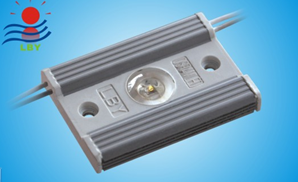
Beyond the driving architecture, buyers must specify the exact SMD chip type (e.g., 2835, 5050, 3030, or 5730) and the lens optics. Secondary optics in injection-molded modules dictate the beam angle, typically ranging from 120 degrees to 160 degrees for shallow light boxes, ensuring even light distribution without hot spots.
Need help verifying a factory's technical capabilities and SMT lines?
Get a free consultationManufacturing Tolerances and Quality Control
The longevity of an LED module is dictated by thermal management and environmental protection. High operating temperatures degrade the phosphor coating on the diodes, leading to rapid lumen depreciation and color shifting.
Thermal Management and PCB Substrates
For low-power signage modules, FR4 (fiberglass) PCBs are common and cost-effective. However, for modules exceeding 1.5W per unit, an aluminum PCB is mandatory. You must specify the aluminum thickness (typically 1.0mm to 1.6mm) and the thermal conductivity of the dielectric layer (e.g., 1.0 to 2.0 W/m·K).
Ingress Protection (IP) and Potting Compounds
Outdoor modules require robust IP65 to IP68 ratings. The choice of potting material heavily influences both lifespan and price:
- Epoxy: Cheap and rigid, but prone to yellowing under UV exposure and cracking under thermal stress.
- Polyurethane (PU): Better thermal stability and flexibility than epoxy, moderate cost.
- Silicone: The premium standard. Highly resistant to UV degradation, extreme temperatures, and mechanical stress.
Catching material substitutions requires rigorous Quality Control & Inspection. In-line inspections should verify solder paste application, reflow oven temperature profiling, and the curing time of potting compounds. Additionally, conducting Factory Audits ensures the supplier maintains dust-free workshops and automated SMT lines, rather than relying on manual assembly.
Color Consistency (Binning)
Always specify the MacAdam ellipse (SDCM) tolerance in your contract. For architectural lighting, demand an SDCM under 3. For standard signage, an SDCM under 5 is acceptable. Mixing bins across a single production run will result in visible color variations.
Buying Mechanics: MOQs, Lead Times, and Pricing
Pricing for LED modules is highly elastic, driven by the brand of the LED chip (e.g., Epistar, San'an, Osram, Cree), the potting material, and the copper weight of the connecting wires.
If you require custom lens angles, specific PCB form factors, or proprietary driver integration, OEM/ODM Services can facilitate the tooling and prototyping phases. Be prepared to cover mold fees for custom injection-molded housings, which are typically refunded after a set order volume is reached.
Optimizing your BOM for a custom lighting project? Let us negotiate with the right factories.
Talk to our teamRegulatory Compliance
Importing LED modules requires adherence to regional safety and electrical standards. Ensure your supplier can provide legitimate LM-80 test reports for the LED chips, proving lumen maintenance over time. Depending on your market, modules and their accompanying power supplies may require CE, RoHS, or UL recognition. Partnering with experts for Compliance & Testing ensures your shipments are not rejected at customs or flagged by market surveillance authorities.
Frequently Asked Questions
Successfully sourcing LED modules means looking past the unit price and auditing the factory's SMT capabilities, thermal engineering, and component traceability. A transparent bill of materials and strict pre-shipment testing are the only ways to guarantee long-term reliability in the field.
Get Sourcing Help for LED Modules
Tell us your requirements and our experts will connect you with verified manufacturers.