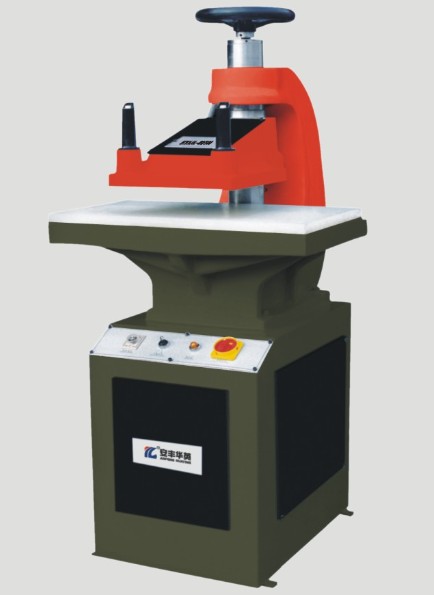
Leather Production Machinery
Source industrial Leather Production Machinery from vetted suppliers and manufacturers. Designed for importers, distributors, and procurement managers equipping large-scale tanneries and manufacturing facilities, our network delivers reliable equipment for bulk buyers seeking competitive pricing and robust performance.
Sourcing industrial leather production machinery requires strict alignment between your facility's processing needs and the manufacturer's engineering capabilities. Whether you are procuring splitting machines, shaving machines, or setting-out equipment, the core challenge lies in verifying hydraulic reliability, electrical component authenticity, and structural rigidity before the equipment leaves the factory floor.
Critical Specifications to Define
When negotiating with machinery manufacturers, vague specifications inevitably lead to substandard components. You must clearly define the technical parameters to ensure the machinery can handle your required hide thickness, density, and daily throughput without premature wear.
| Specification | Standard Tannery Equipment | Heavy-Duty / Continuous Operation |
|---|---|---|
| Working Width | 1500mm to 2200mm | 2400mm to 3200mm |
| Hydraulic Pressure | Up to 15 MPa | 18 MPa to 25 MPa |
| Motor Power (Main) | 15 kW to 30 kW | 45 kW to 75 kW+ |
| PLC & Electronics | Domestic Chinese Brands | Siemens, Schneider, or Mitsubishi |
Voltage and Frequency Alignment
Always specify your destination country's exact three-phase voltage and frequency (e.g., 380V/50Hz vs. 480V/60Hz) in the initial contract. Retrofitting electrical panels post-delivery is highly complex, costly, and typically voids manufacturer warranties.
Manufacturing Standards and Quality Control
The manufacturing landscape for leather processing equipment is highly fragmented, ranging from premier engineering firms with advanced CNC capabilities to smaller assembly workshops. The difference in operational lifespan often comes down to the metallurgy of the cutting cylinders, the precision of the dynamic balancing, and the origin of the hydraulic valves.
Factory Acceptance Test (FAT) Requirements
- Verify the exact brand and model of the PLC, inverters, and servo motors against the agreed Bill of Materials (BOM).
- Inspect hydraulic systems under maximum load for micro-leaks, pressure drops, or abnormal pump noise.
- Check the dynamic balance of bladed cylinders and grinding rollers at maximum operating RPM.
- Confirm CE, UL, or CSA compliance documentation matches the specific machine serial numbers.
- Verify the hardness (HRC) of the splitting or shaving blades using a portable hardness tester.
To mitigate risks associated with counterfeit components or substandard assembly, professional factory audits are essential. A thorough audit verifies the supplier's in-house machining capabilities, quality management systems, and financial stability before you commit to a heavy capital expenditure.
Need help verifying machinery suppliers? Let us audit the factory and negotiate technical specifications on your behalf.
Talk to our teamSourcing Logistics, Pricing, and Lead Times
Unlike consumer goods, industrial machinery is heavily customized to order. Prices fluctuate based on raw steel costs, the origin of electrical components, and specific tooling requirements. Structuring your payment terms to align with production milestones is critical for maintaining leverage.
Logistics and Pre-Shipment Verification
Leather production machinery is exceptionally heavy, vibration-sensitive, and often oversized. Large splitting and fleshing machines frequently require specialized shipping solutions, such as Open Top or Flat Rack containers. Coordinating shipping and freight requires careful planning to ensure the machinery is properly lashed, coated in anti-rust protectants, and cleared through customs without delay.
Furthermore, executing rigorous quality control & inspection prior to container loading ensures that the machine matches the approved FAT parameters, and that all spare parts, manuals, and specialized maintenance tooling are physically loaded into the container.
Ensure your machinery is built to spec and shipped safely. Speak with our industrial sourcing experts today.
Get a free consultationFrequently Asked Questions
Securing high-performance leather production machinery requires more than just negotiating a low baseline price; it demands rigorous technical oversight, strict factory vetting, and precise logistics management. By defining your specifications clearly and validating the equipment before shipment, you ensure a seamless, profitable integration into your production line.
Get Sourcing Help for Leather Production Machinery
Tell us your requirements and our experts will connect you with verified manufacturers.