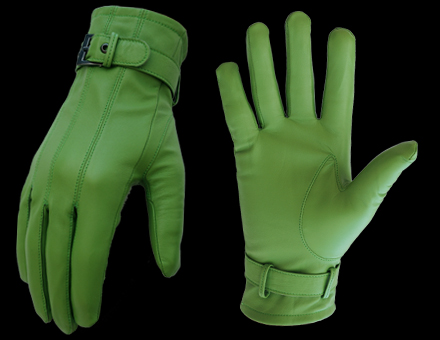
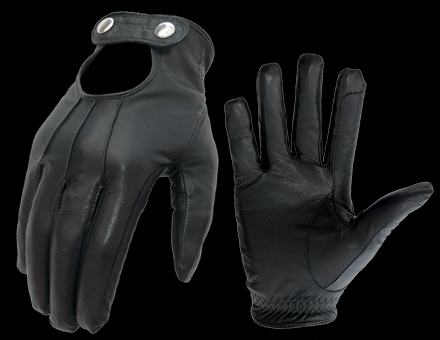
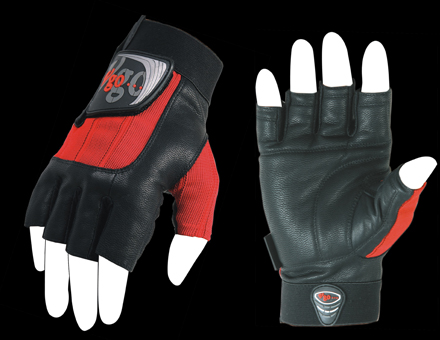
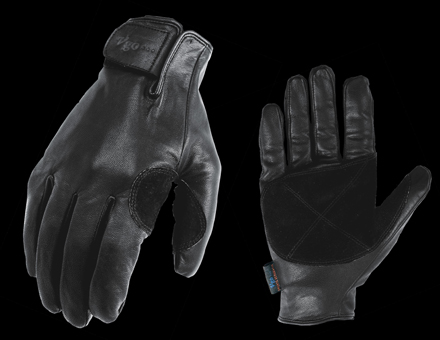
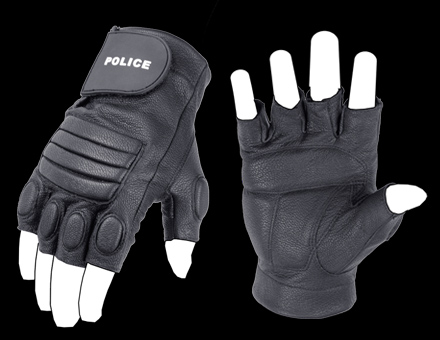
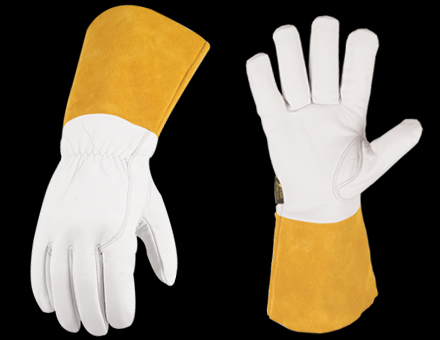
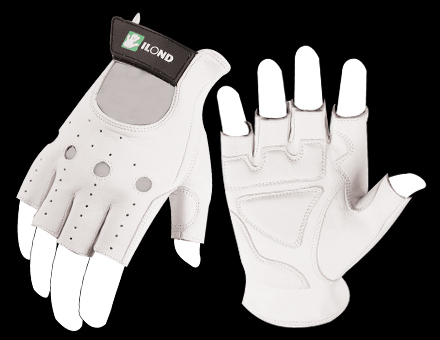
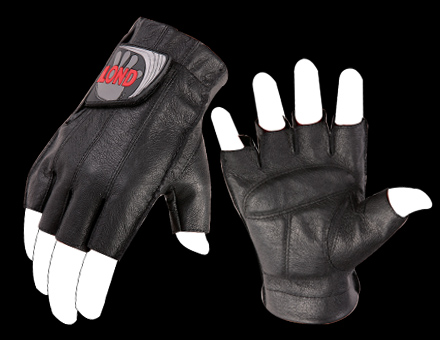
Leather Gloves & Mittens
Source premium leather gloves and mittens from vetted manufacturers and suppliers across Asia. Tailored for importers, wholesalers, and fashion brands seeking reliable bulk purchasing and OEM/private-label production with strict quality oversight.
Sourcing leather gloves at scale requires a deep understanding of hide grading, specialized pattern cutting, and precise assembly. Unlike synthetic materials, natural leather introduces batch-to-batch variations in grain, stretch, and dye absorption. For volume buyers, controlling these variables on the factory floor is the difference between a premium accessory and a high defect rate.
Specifying Leather Types and Grades
The foundation of any leather glove is the hide. Manufacturers grade leather based on the prevalence of natural scars, thickness consistency, and flexibility. When negotiating specifications, you must define the exact hide type, treatment, and thickness (typically measured in millimeters, ranging from 0.4mm for ultra-thin fashion gloves to 1.2mm for heavy-duty winter wear).
- Sheepskin (Cabretta): Highly supple with a fine grain, ideal for premium dress gloves. Requires careful handling during production to prevent over-stretching.
- Goatskin: Offers higher tensile strength and abrasion resistance than sheepskin while remaining relatively soft. Common in mid-tier fashion and light tactical gloves.
- Deerskin: Known for extreme softness and the ability to remain supple even after getting wet. Often paired with heavy linings for winter mittens.
- Cowhide: Thicker and stiffer, primarily used for workwear or heavy motorcycle gloves.
Struggling to standardize leather grades across multiple factory runs? We can help establish clear quality benchmarks.
Talk to our teamManufacturing Tolerances and Stitching Techniques
Glove making is highly labor-intensive. A standard leather glove requires up to two dozen distinct operations. The cutting phase (table cutting vs. die cutting) dictates how the glove will stretch over the hand. Table cutting, where artisans manually stretch and cut the leather, is reserved for high-end production, while die cutting is standard for bulk manufacturing.
The stitching method you specify directly impacts the glove's aesthetic, durability, and cost:
| Stitching Method | Appearance | Best Application | Production Cost |
|---|---|---|---|
| Inseam | Seams hidden inside | Dress gloves, elegant styles | Moderate |
| Outseam | Seams visible outside | Casual, driving, or winter gloves | Lower |
| Piqué | One edge overlaps the other | Premium dress gloves | High (requires specialized machinery) |
Critical Quality Control Checkpoints
Leather's natural variance means standardized inspection protocols are non-negotiable. When executing Quality Control & Inspection, focus on the following areas to catch common factory-level defects:
Pre-Shipment Inspection Focus Areas
- Dye consistency and colorfastness (checking for dye transfer/crocking)
- Seam strength and stitch density (typically 8 to 10 stitches per inch)
- Lining attachment (ensuring the lining does not pull out when the glove is removed)
- Sizing accuracy (measuring palm circumference and finger length against tech packs)
- Leather grading (rejecting pairs with prominent belly leather or deep scarring on the top hand)
Furthermore, leather tanning utilizes heavy chemicals. Importers must ensure their suppliers adhere to strict chemical limits, particularly concerning Chrome VI and Azo dyes. Conducting proper Compliance & Testing is essential to meet REACH standards in Europe or Proposition 65 in the US.
Typical MOQs, Pricing, and Lead Times
Leather minimum order quantities (MOQs) are primarily dictated by the tannery, not the sewing factory. Custom dye batches usually require a minimum of 1,000 to 2,000 square feet of leather.
If you are developing custom styles, engaging a factory with strong OEM/ODM Services is critical. They can source the correct linings (cashmere, silk, fleece, or Thinsulate) and handle custom branding elements like debossed logos or custom snap closures.
Need to consolidate your supply chain and negotiate better terms with raw material suppliers? Let's review your sourcing strategy.
Get a free consultationBuyer FAQ
Managing leather glove production requires balancing the unpredictable nature of organic materials with the strict tolerances of apparel manufacturing. Success depends on setting rigid specifications early, holding tanneries accountable, and maintaining constant oversight on the sewing floor.
Get Sourcing Help for Leather Gloves & Mittens
Tell us your requirements and our experts will connect you with verified manufacturers.