Learning Machines
Source bulk learning machines directly from vetted manufacturers and suppliers. Designed for importers, wholesalers, and brands looking for OEM and private-label production, our network delivers reliable electronic educational toys. Find competitive factory pricing, strict safety compliance, and custom localization capabilities for your target market.
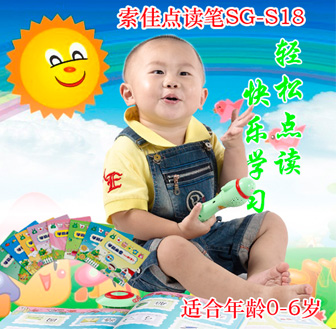
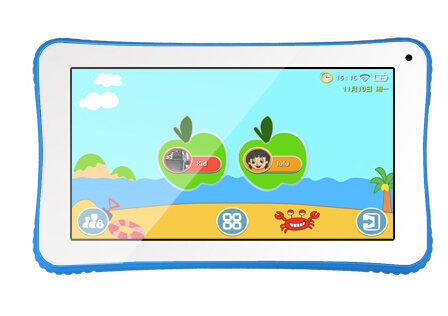
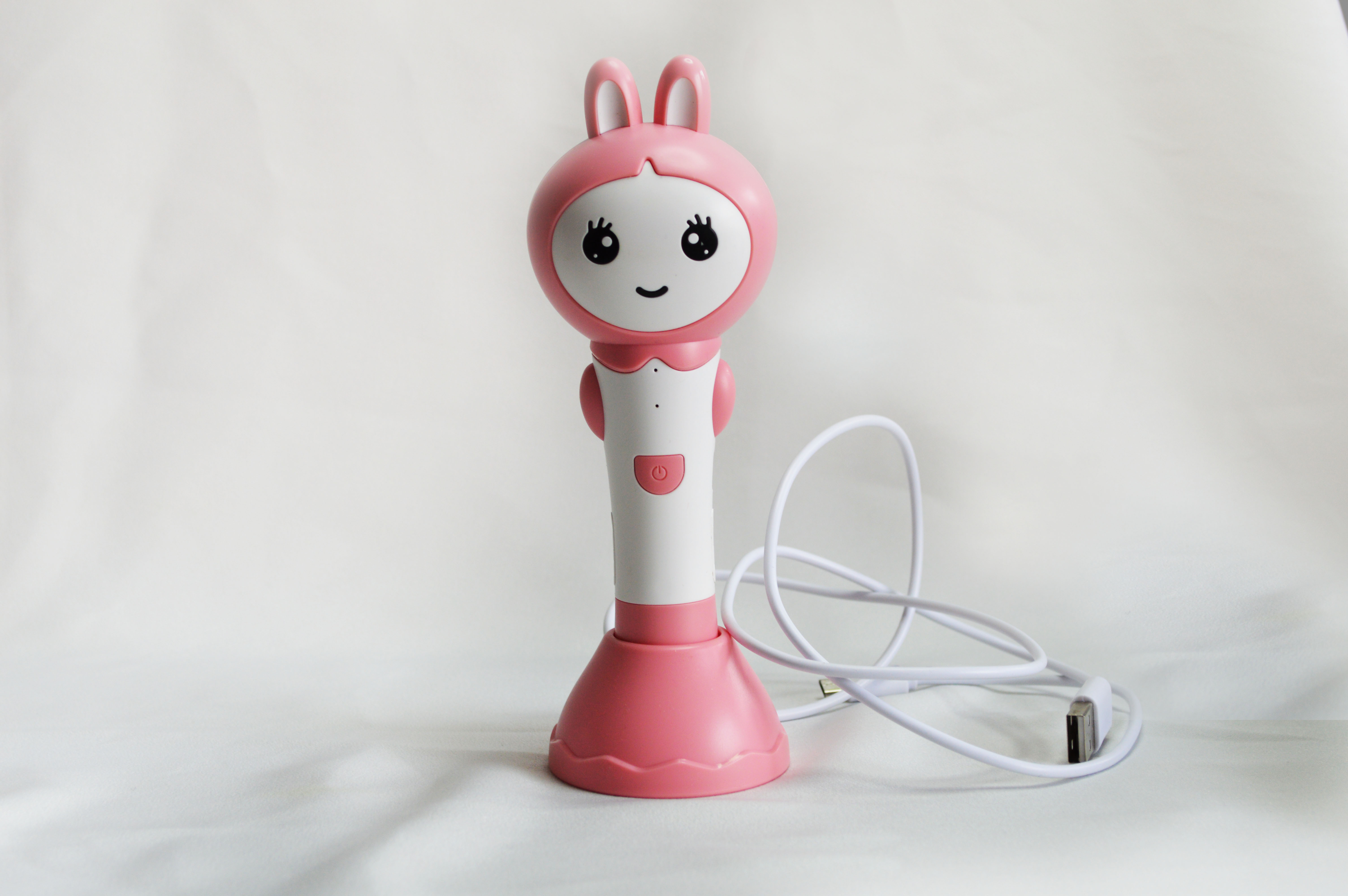
Sourcing electronic learning machines—whether interactive flashcard readers, optical reading pens, or early education tablets—requires balancing consumer electronics manufacturing with strict child safety regulations. The challenge isn't just finding a factory that can assemble PCBs and plastic housings; it is securing a partner capable of passing rigorous acoustic testing, ensuring battery safety, and handling complex firmware localization.
For high-volume buyers, success depends on defining exact hardware specifications upfront and implementing robust quality control at the factory level.
Hardware Specifications and Cost Drivers
The internal architecture of a learning machine dictates both its manufacturing cost and its longevity in the hands of a child. Buyers must specify components clearly to avoid "silent downgrades" during production.
| Specification | Audio & Reading Pens | Screen-Based Learning Pads |
|---|---|---|
| Core Input | Optical Identification (OID) sensor | Capacitive touch or membrane switch |
| Storage | 8MB to 32MB SPI Flash | 16GB+ eMMC or TF Card slot |
| Power Source | Small Li-Po (300-500mAh) or AAA | Large Li-Po (2000mAh+) |
| Audio Output | Micro-speaker (strict dB limits) | Dual speakers with acoustic chambers |
Navigating the intersection of electronics sourcing and toy compliance is complex. Let us help you find the right manufacturing partner.
Talk to our teamThe Dual Compliance Challenge
Electronic toys face intense regulatory scrutiny. They must pass both standard toy safety tests and electronic/RF compliance. Failing either means your shipment will not clear customs. If you are uncertain about your target market's requirements, leveraging professional Compliance & Testing is highly recommended.
Critical Compliance Standards for Learning Machines
- Acoustic Safety: Volume limits strictly capped (typically under 85dB) to prevent hearing damage.
- Chemical & Material: ASTM F963, CPSIA, and EN71 compliance for heavy metals and phthalates, especially in ABS or food-grade silicone housings.
- Electronic & RF: FCC Part 15 (US) or CE-EMC/RED (Europe) for electromagnetic interference.
- Battery Safety: UN38.3 and IEC 62133 certifications for lithium batteries during shipping and consumer use.
Manufacturing Quality Control
Defects in learning machines often stem from poor assembly rather than inherently bad components. Because these products endure drops, spills, and rough handling, structural integrity and soldering quality are paramount. Implementing strict Quality Control & Inspection during assembly prevents costly returns.
Incoming Material Inspection (IQC)
Verifying OID sensor sensitivity, battery capacity, and testing ABS plastic batches for color consistency and toxicity.
In-Line Inspection (IPQC)
Checking PCB soldering joints, wire routing to prevent pinching during casing assembly, and initial firmware flashing.
Acoustic & Drop Testing
Random sampling to ensure speakers do not exceed decibel limits and housings survive standard 1-meter drop tests without exposing internal electronics.
Final QA and Aging
Running devices through charge/discharge cycles and verifying language localization and audio file triggers.
OEM/ODM and Firmware Localization
Most buyers do not purchase off-the-shelf learning machines; they customize them for specific languages, curricula, or brand identities. This requires a factory with strong software engineering capabilities, not just assembly lines. When utilizing OEM/ODM Services, ensure the supplier provides a clear mapping tool for audio files and has experience locking firmware so end-users cannot accidentally delete core operating files.
Pricing, MOQs, and Lead Times
Customizing electronic educational toys requires upfront investment in localization and tooling.
Note: Lead times increase significantly if you require custom injection molds for unique device shapes.
Need to lock in production schedules and verify factory capabilities? We manage the end-to-end sourcing process to keep your supply chain on track.
Get a free consultationBuyer FAQ
Sourcing learning machines requires a deep understanding of both hardware supply chains and child safety regulations. By controlling component specifications and maintaining rigorous oversight on the assembly line, you can import reliable, compliant educational devices that build trust with parents and educators alike.
Get Sourcing Help for Learning Machines
Tell us your requirements and our experts will connect you with verified manufacturers.