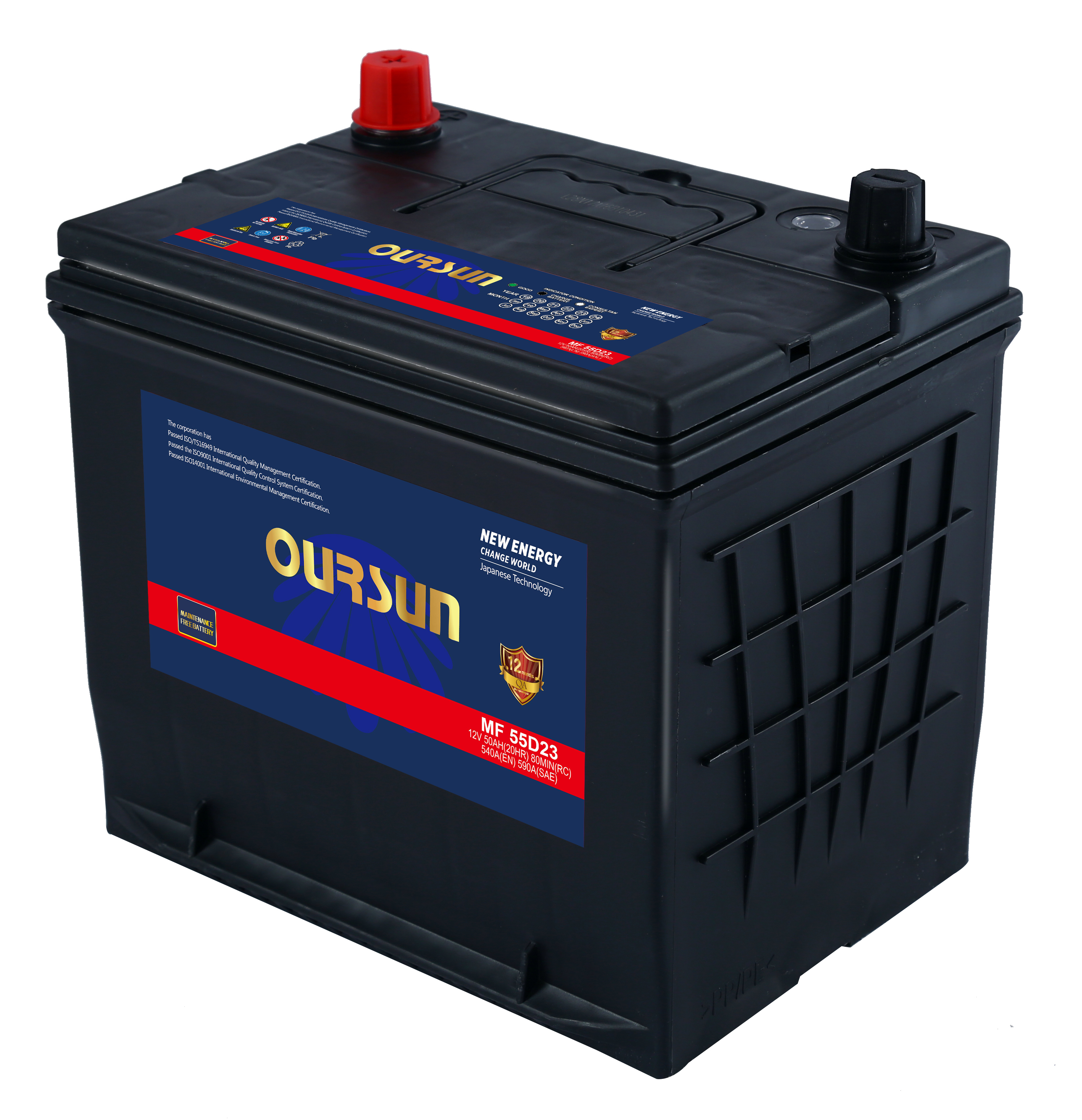
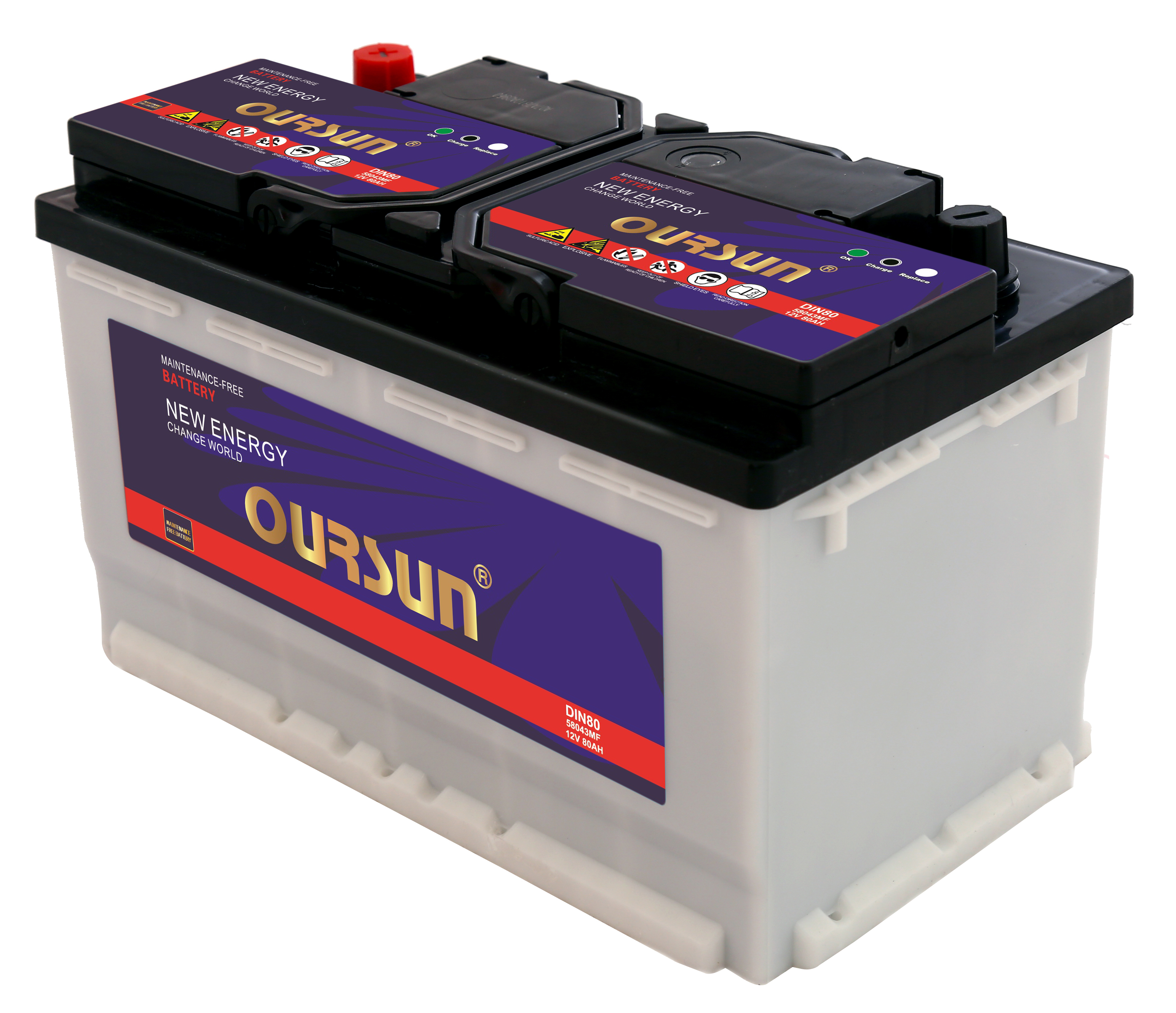
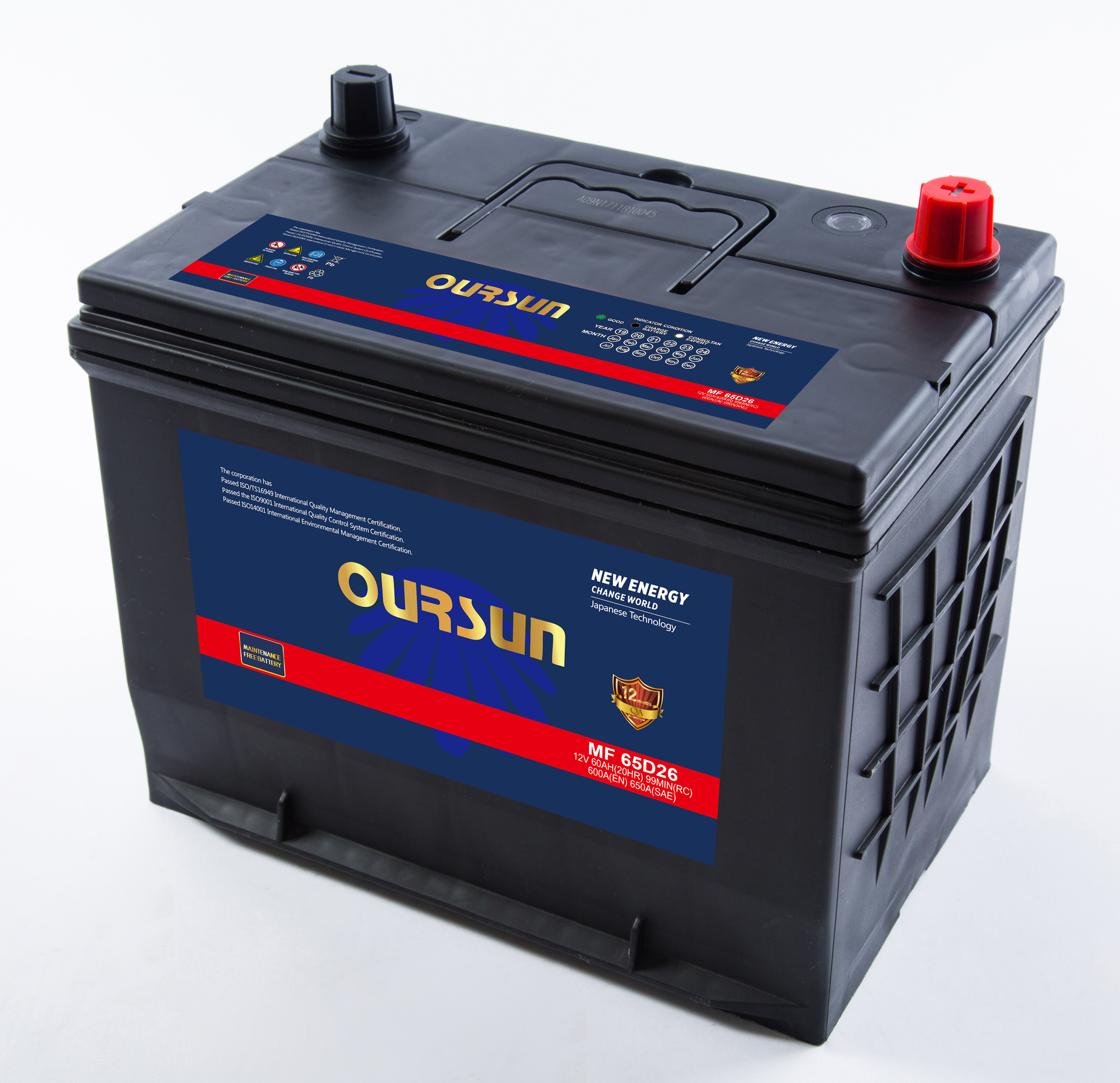
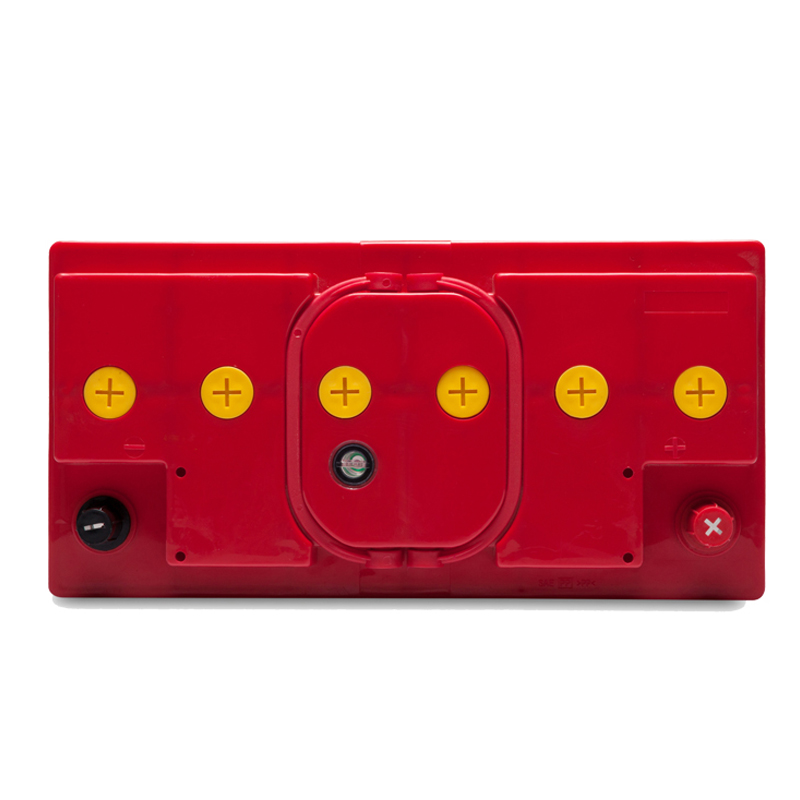
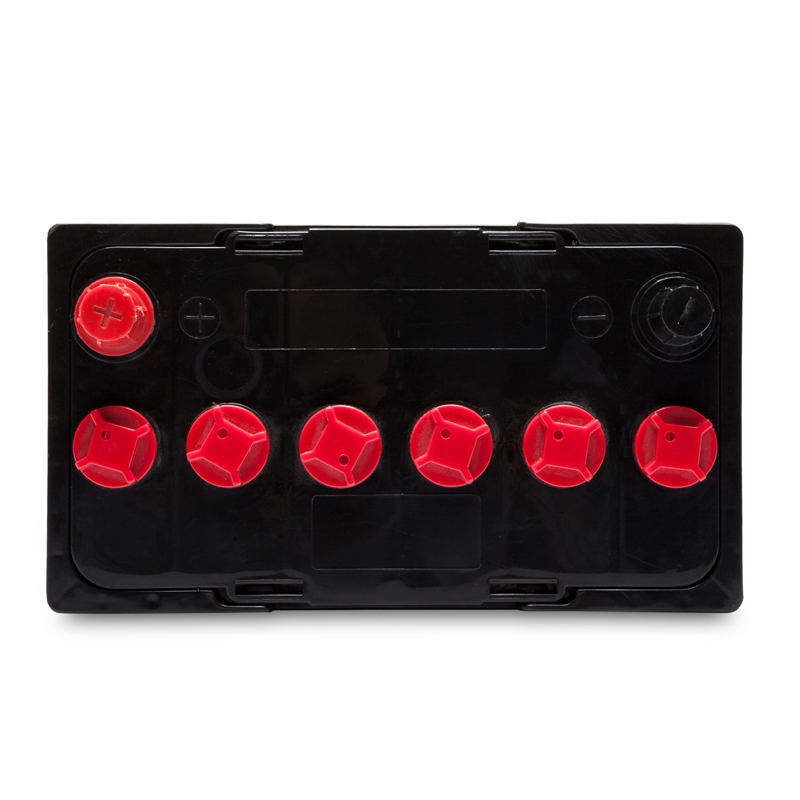
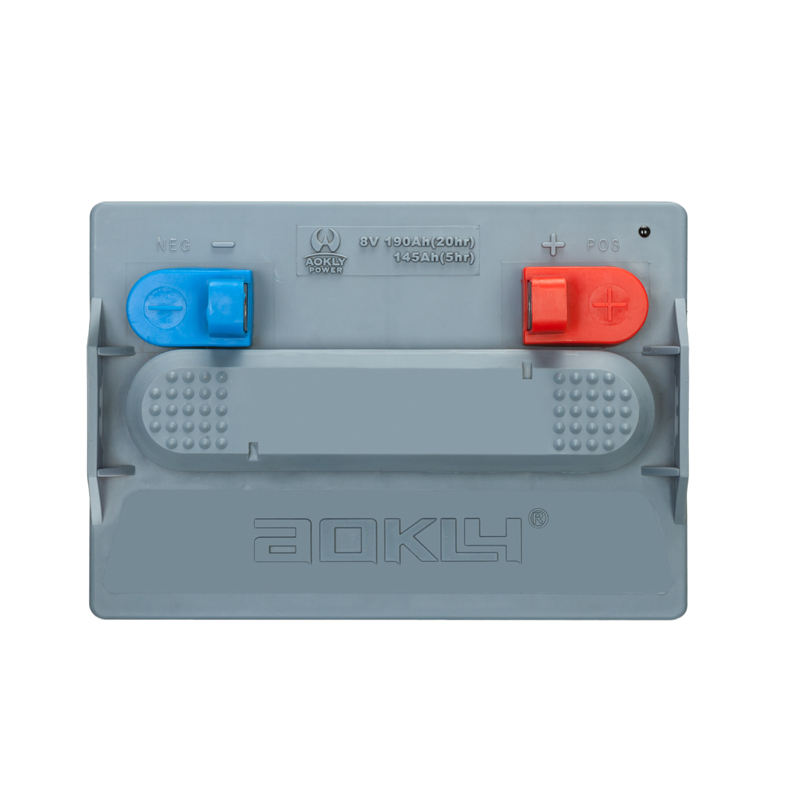
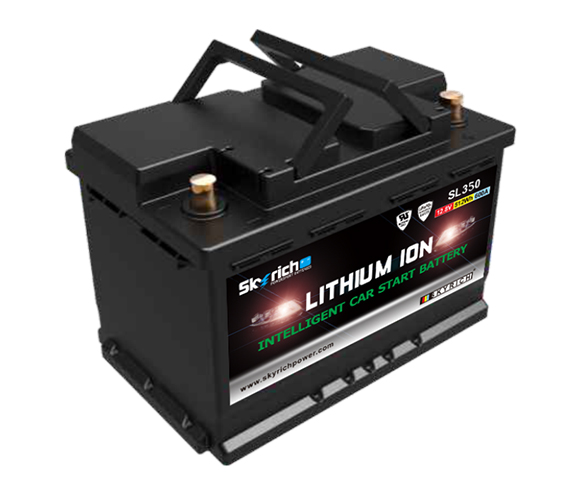
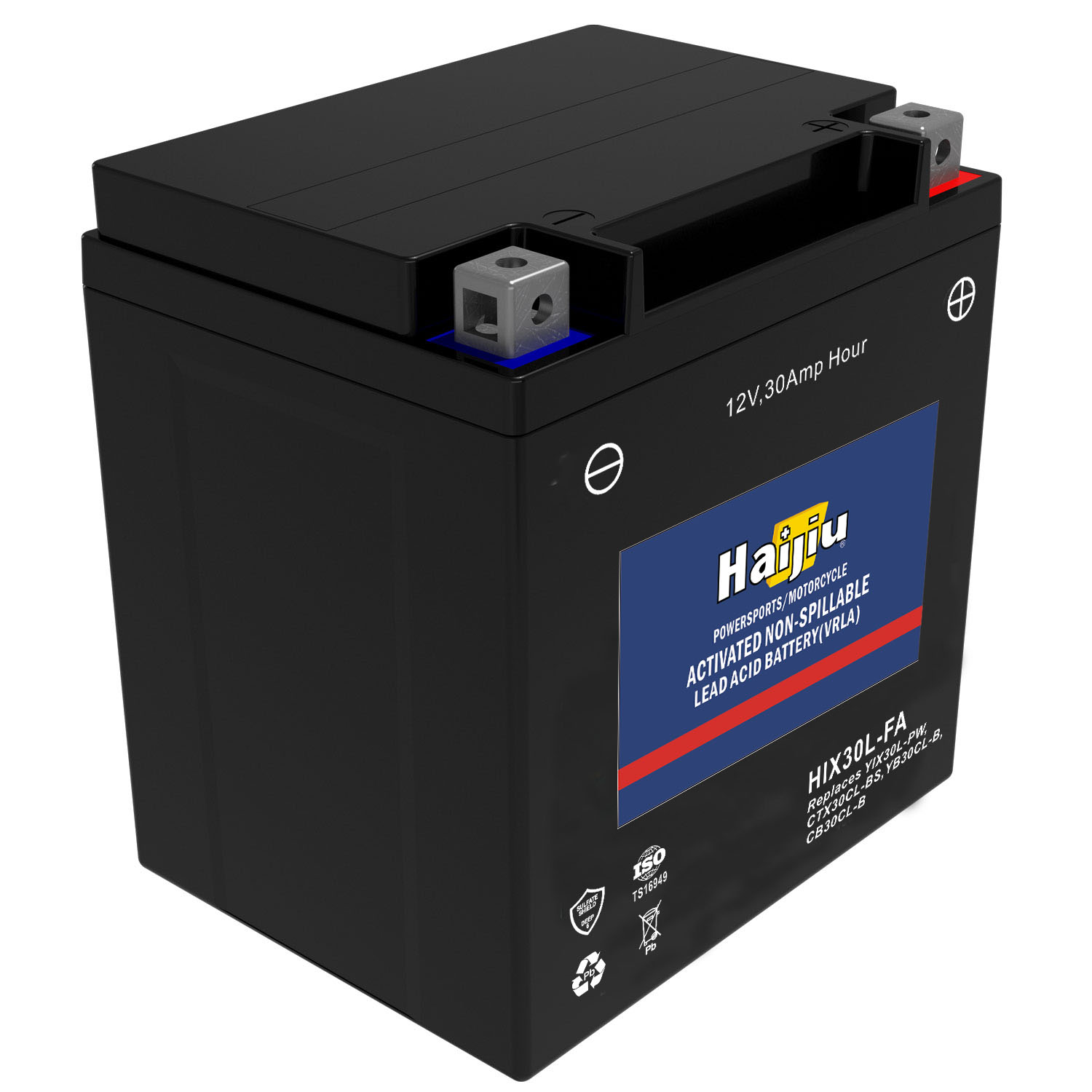
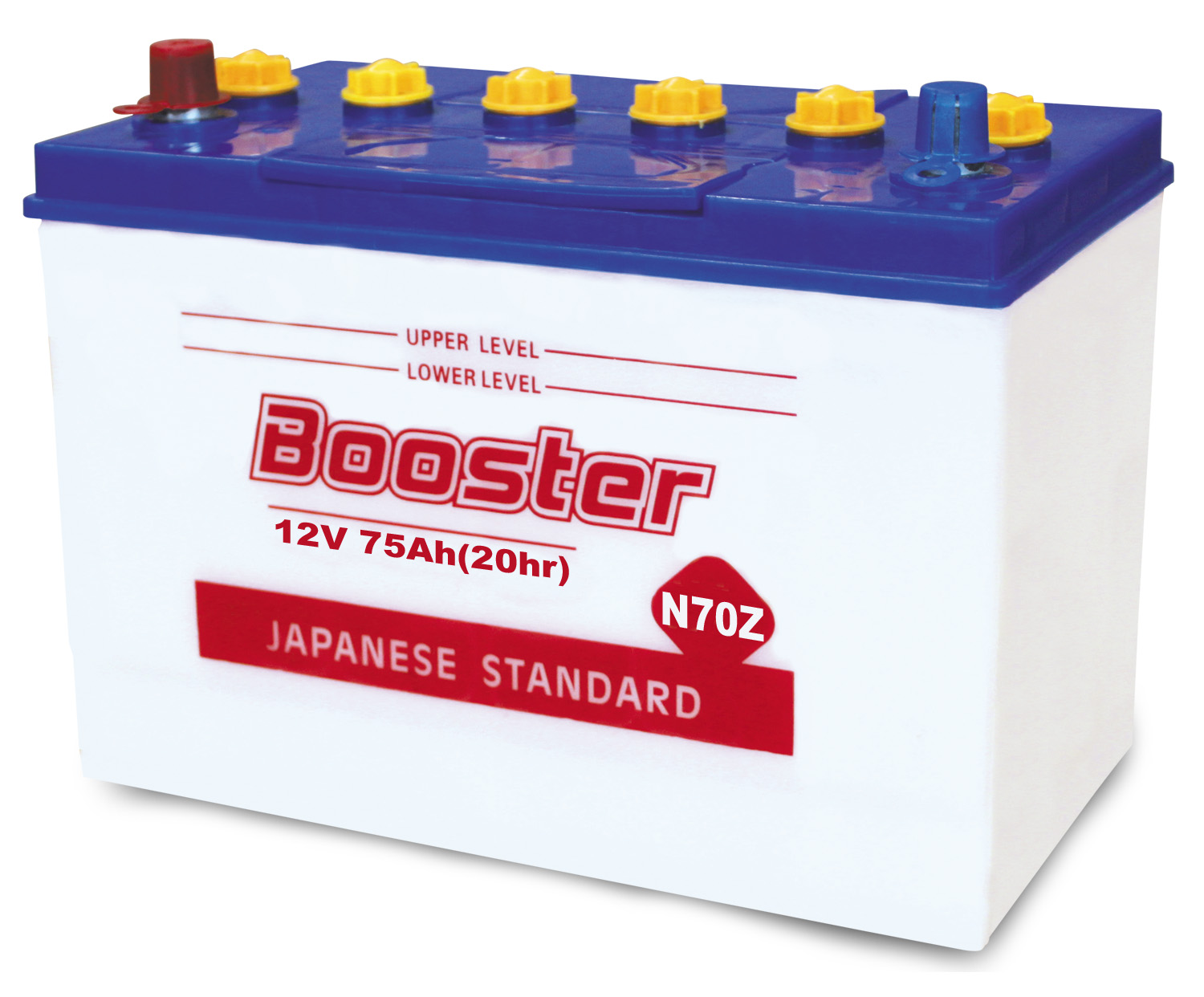
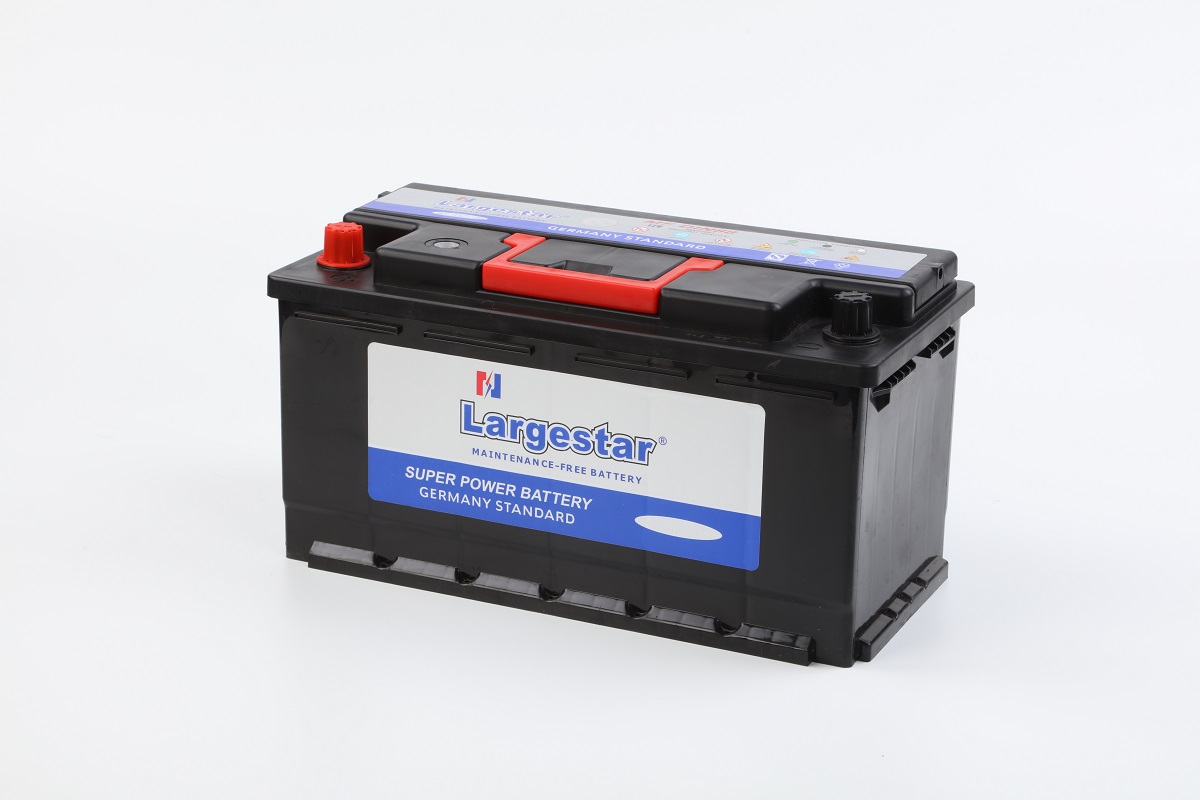
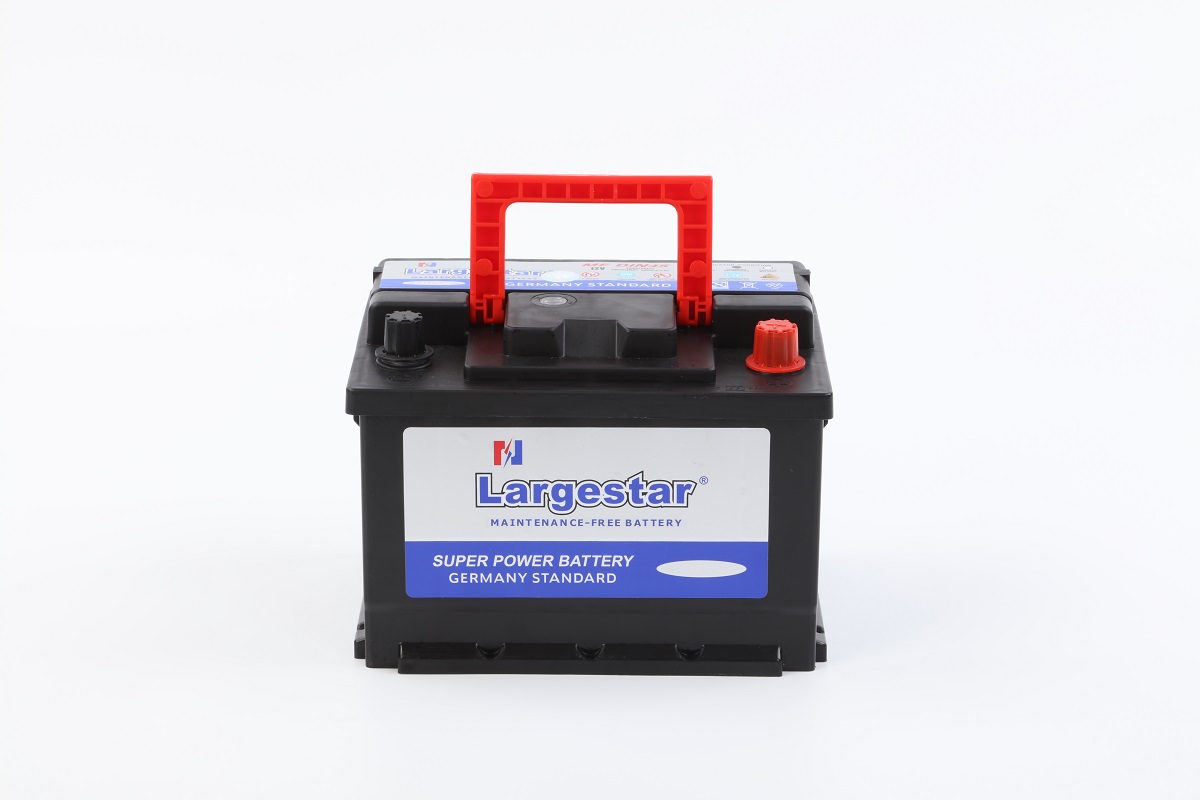
Lead-Acid Battery
Source high-performance lead-acid batteries from vetted manufacturers and wholesale suppliers across Asia. Built for importers, auto parts distributors, and brands requiring reliable OEM production, our network delivers consistent cranking power and deep-cycle durability at scale.
Sourcing lead-acid batteries in volume requires balancing raw material volatility with strict performance requirements. Whether you are procuring flooded starter batteries for automotive aftermarket distribution or sealed absorbent glass mat (AGM) units for modern start-stop vehicles, securing a reliable supply chain hinges on verifying lead purity, grid casting quality, and rigorous pre-shipment testing.
Critical Specifications for Bulk Procurement
When negotiating OEM production or purchasing wholesale, defining exact technical parameters prevents substandard substitutions. Factory-stated specifications must align with your market's climate conditions and application requirements.
Key Battery Specifications to Define
- Cold Cranking Amps (CCA): Crucial for starter batteries; define the testing standard (SAE, EN, DIN, or JIS).
- Reserve Capacity (RC): The time the battery can sustain a specific load before voltage drops below operational levels.
- Amp-Hour (Ah) Rating: Must be specified at a standard discharge rate (typically 20Hr for automotive).
- Terminal Types and Layout: Specify standard post (Type A), JIS, or threaded terminals, and exact polarity arrangements.
- Lead Purity: Specify 99.99% virgin lead for premium applications to minimize internal resistance and self-discharge.
| Technology | Primary Application | Vibration Resistance | Maintenance Profile |
|---|---|---|---|
| Standard Flooded (SLI) | Conventional starting | Standard | Requires periodic electrolyte checks |
| Enhanced Flooded (EFB) | Entry-level start-stop | Improved | Maintenance-free design |
| AGM (VRLA) | Advanced start-stop / Heavy electrical load | Superior (compressed plates) | Strictly maintenance-free |
Securing consistent battery performance requires strict factory vetting. Let us handle the technical audits and supplier validation.
Talk to our teamManufacturing Quality & Defect Prevention
The longevity of a lead-acid battery is determined on the factory floor. Minor deviations in temperature during curing or impurities in the lead alloy can drastically reduce battery life. When conducting Factory Audits, focus on the facility's automation and environmental controls.
Grid Casting and Punching
Automated continuous punching or expanded metal processes offer superior corrosion resistance compared to traditional gravity casting. Inspect the factory's alloy mixing precision.
Pasting and Curing
The active material must be applied uniformly. Curing requires strict temperature and humidity chambers (typically lasting 24 to 72 hours) to ensure the paste properly adheres to the grid.
Assembly and Welding
Through-the-partition resistance welding must be flawless to prevent internal short circuits and ensure maximum current flow.
Acid Filling and Formation
The initial charging process (formation) dictates the battery's final capacity. Look for facilities with automated, water-bath cooling systems to regulate temperature during this high-heat phase.
Compliance and Hazardous Freight Logistics
Lead-acid batteries are heavy, dense, and contain hazardous materials (sulfuric acid and lead). Navigating the logistics and regulatory landscape is often the most complex part of the sourcing process.
Dangerous Goods Logistics
Standard flooded batteries are classified as Class 8 Corrosive under dangerous goods (DG) shipping regulations. Proper packaging, labeling, and specialized carrier agreements are mandatory.
Before shipping, ensure your supplier has the necessary paperwork for your target market. Partnering with experts for Compliance & Testing ensures that your shipments meet local safety and environmental standards. Furthermore, optimizing Shipping & Freight is critical, as batteries easily max out container weight limits long before they fill the volume.
Buying Mechanics: Pricing, MOQs, and Lead Times
Battery pricing is uniquely tied to global commodities. Understanding these mechanics is essential for accurate forecasting.
Because lead accounts for up to 60 percent of the manufacturing cost, factories typically quote prices valid for only a few days, or index their long-term contracts directly to the LME.
Navigating volatile lead prices and hazardous freight requirements? Partner with us to streamline your battery supply chain.
Get a free consultationFrequently Asked Questions
Successfully sourcing lead-acid batteries requires looking beyond the unit price to calculate the true landed cost, factoring in heavy freight, commodity volatility, and strict quality control. Working with an experienced sourcing partner ensures your specifications are met and your logistics run smoothly from the factory floor to your warehouse.
Get Sourcing Help for Lead-Acid Battery
Tell us your requirements and our experts will connect you with verified manufacturers.