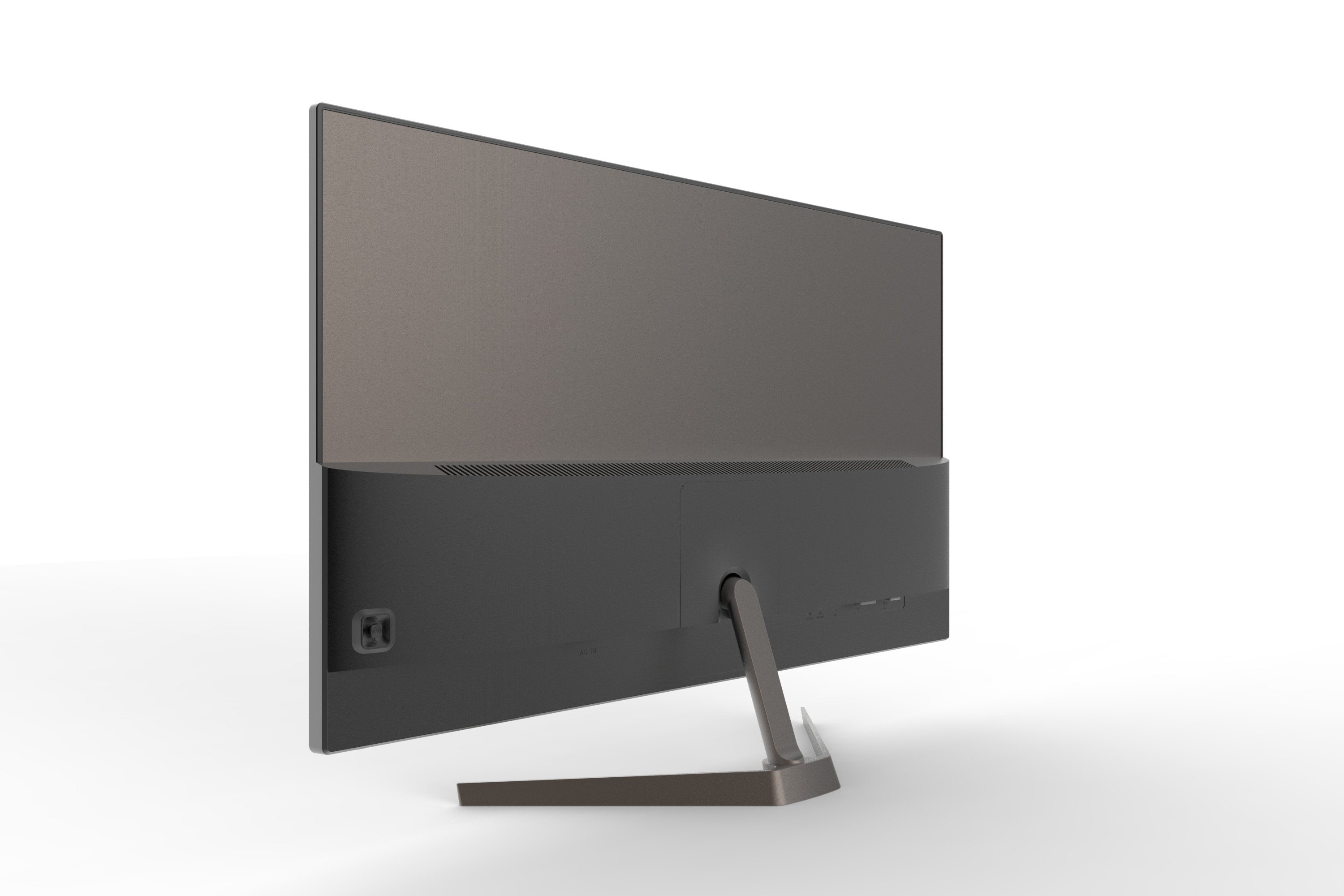
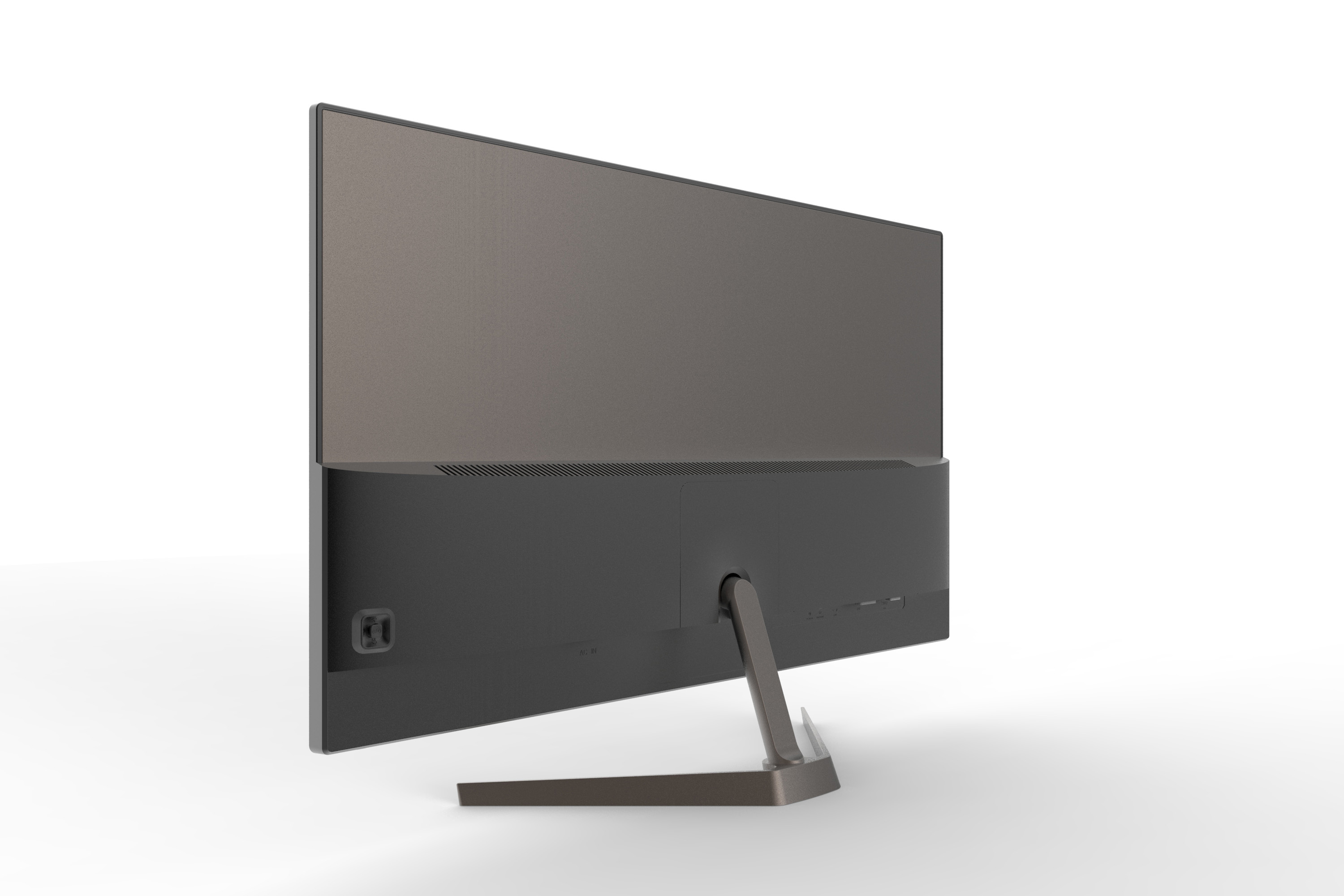
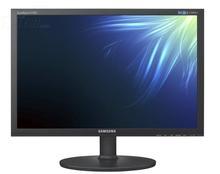
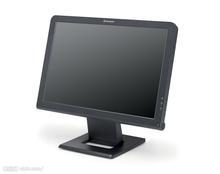
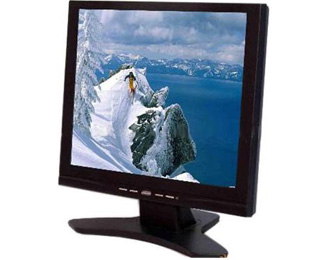
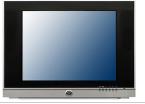
LCD Monitors
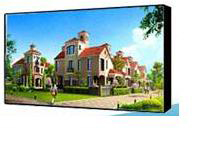
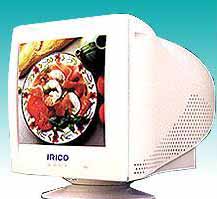
Source commercial and consumer-grade LCD monitors directly from vetted manufacturers and suppliers. Designed for importers, wholesalers, distributors, and electronics brands seeking reliable OEM and private-label production. Secure competitive bulk pricing and scalable manufacturing capacity for your display hardware requirements.
Sourcing LCD monitors at scale requires navigating a complex supply chain where the display panel itself accounts for the vast majority of the bill of materials (BOM). Whether you are procuring standard office displays, high-refresh-rate gaming monitors, or specialized commercial screens, your profitability hinges on securing consistent panel grades, reliable driver boards, and stringent defect management at the factory level.
Defining Your Display Specifications
The core of any LCD monitor is the open cell (the panel) and the backlight unit. When negotiating with manufacturers in key hubs like Shenzhen and Dongguan, you must be explicit about the internal components, as these dictate both performance and cost.
| Panel Technology | Key Characteristics | Typical B2B Applications |
|---|---|---|
| IPS (In-Plane Switching) | Wide viewing angles, accurate color reproduction, higher cost | Professional monitors, premium office displays, design hardware |
| VA (Vertical Alignment) | High contrast ratios, deep blacks, moderate response times | Curved monitors, media consumption, budget gaming |
| TN (Twisted Nematic) | Fast response times, narrow viewing angles, lowest cost | Entry-level commercial displays, high-speed competitive gaming |
Beyond the panel type, you must specify the exact panel grade in your contract. Factories often purchase panels in batches from major fabricators (like BOE, LG, or AUO).
- Grade A+: Zero dead pixels, uniform backlight. Required for premium retail.
- Grade A: May contain up to 3 dead pixels. Acceptable for standard office use.
- Grade B: Noticeable blemishes or dead pixels. Often used in ultra-budget markets but carries high return risks.
Struggling to secure consistent Grade A panels? Let us negotiate directly with top-tier assembly factories on your behalf.
Talk to our teamManufacturing Risks and Quality Control
Monitor assembly is highly sensitive to dust and static. A factory's cleanroom standards directly impact the yield rate of the final product. Before committing to a large order, verifying the supplier's assembly environment through comprehensive Factory Audits is essential.
During production, defects can easily slip through if the factory relies only on random sampling. You must implement robust Quality Control & Inspection protocols, specifically targeting the most common points of failure.
Critical QC Checks for LCD Monitors
- Dead and stuck pixel mapping (using solid RGB test screens).
- Backlight bleeding and uniformity testing in a dark environment.
- Color gamut calibration and aging tests (burn-in testing for 4 to 12 hours).
- Port functionality (HDMI, DisplayPort, USB-C power delivery stability).
- Housing integrity (checking for bezel gaps, stand stability, and VESA mount alignment).
OEM and Private Label Customization
For brands looking to differentiate, off-the-shelf white-label designs may not be enough. Engaging in OEM/ODM Services allows you to alter the industrial design, customize the On-Screen Display (OSD) firmware, and tailor the I/O configurations.
When customizing, pay close attention to the driver board (scaler). The board determines the supported refresh rates (e.g., 60Hz vs. 144Hz) and features like FreeSync/G-Sync compatibility. Upgrading a driver board is relatively inexpensive compared to upgrading the panel, but it requires thorough compatibility testing.
Pricing, MOQs, and Lead Times
Because panel prices fluctuate based on global supply and demand, quotes from manufacturers are typically only valid for 15 to 30 days. Understanding the baseline metrics helps you forecast your procurement cycle.
Need to lock in favorable pricing and manage your factory lead times? We coordinate the entire supply chain to keep your inventory flowing.
Get a free consultationRegulatory Compliance
Monitors imported into Western markets require strict electrical and electromagnetic certifications. Do not assume a factory's existing certificates cover your specific OEM configuration. Relying on specialized Compliance & Testing ensures your shipments aren't held up at customs due to missing documentation for FCC (US), CE (Europe), or RoHS (hazardous substances) standards.
Securing a reliable supply of LCD monitors requires more than just finding an assembler; it requires deep visibility into where they source their panels and how tightly they manage their cleanroom environments. By defining your specs rigorously and enforcing strict QC, you can build a highly profitable, defect-free hardware line.
Get Sourcing Help for LCD Monitors
Tell us your requirements and our experts will connect you with verified manufacturers.