Laser Printers
Source commercial and industrial-grade laser printers from vetted suppliers and manufacturers across Asia. Designed for electronics distributors, office equipment wholesalers, and brands seeking reliable OEM/ODM production, our network delivers high-volume printing solutions with strict quality control and competitive wholesale pricing.
Sourcing commercial and enterprise-grade laser printers requires navigating a highly specialized manufacturing landscape. Success depends on securing reliable print engines, ensuring firmware stability, and managing the long-term economics of consumables. For volume buyers, the challenge is not just finding assembly plants; it is validating the core components that dictate machine longevity, minimize maintenance overhead, and guarantee end-user satisfaction.
Critical Specifications & Core Architecture
When evaluating suppliers, buyers must look past top-line specifications like Pages Per Minute (PPM) and scrutinize the print engine—the heart of the machine. A factory's ability to consistently source and integrate high-grade opto-mechanical components separates reliable hardware from high-failure liabilities.
- Duty Cycle vs. Recommended Volume: Ensure factories are not overstating the maximum monthly duty cycle. The "recommended monthly print volume" is a far more accurate indicator of the mechanical robustness of the paper path and fuser assembly.
- Fuser Assembly Durability: The thermal subsystem must maintain precise temperatures (typically around 200 degrees Celsius) without degrading the Teflon or ceramic coatings on the fuser roller. Inferior fuser sleeves lead to toner flaking and frequent paper jams.
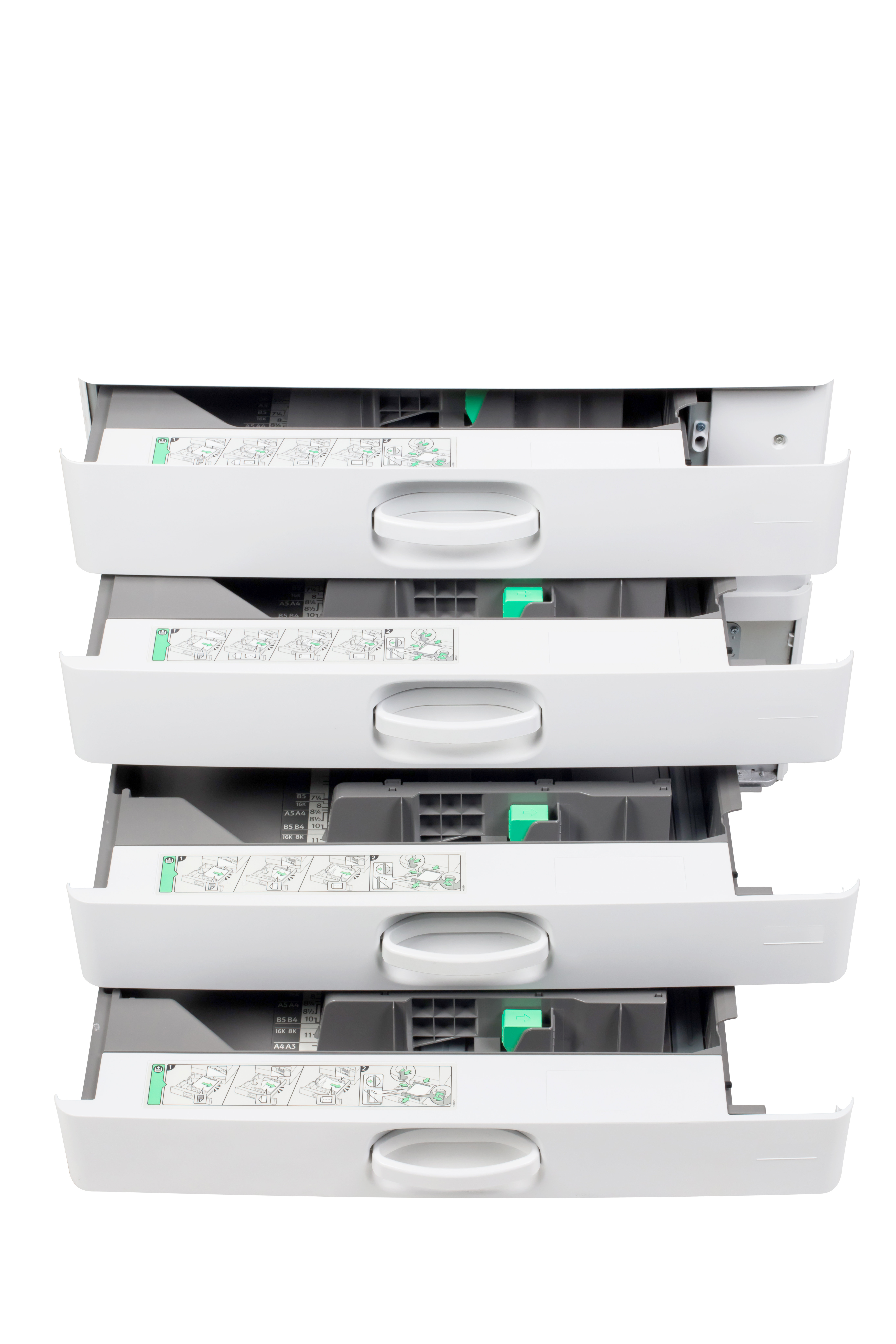
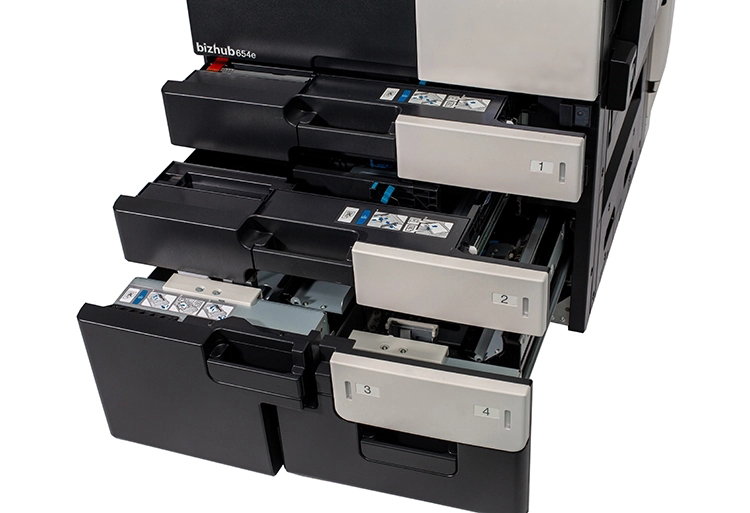
- Paper Handling Mechanisms: Multi-purpose trays and Automatic Document Feeder (ADF) mechanisms are notorious failure points if pickup rollers use inferior elastomers. High-friction, wear-resistant synthetic rubbers are mandatory for heavy-use commercial models.
Need help verifying supplier specifications and print engine reliability? Merhein's engineering team can audit technical capabilities on your behalf to ensure you partner with capable manufacturers.
Talk to our teamQuality Control & Manufacturing Vulnerabilities
The assembly of electro-photographic systems requires strict environmental controls. Dust in the Laser Scanning Unit (LSU) or slight misalignment of the polygon mirror will degrade print quality permanently, resulting in vertical banding or faded text. Assessing a manufacturer's production environment is critical, which is why comprehensive Factory Audits are standard practice for serious importers.
Factory Floor Evaluation Checklist
- Cleanroom standards for LSU assembly and laser diode calibration.
- Aging tests (continuous printing for 48 to 72 hours) to verify fuser thermal stability.
- Firmware stress testing across multiple operating systems (Windows, macOS, Linux).
- Toner adhesion tests using specialized tape-peel methods.
- Drop testing and vibration simulations for packaging integrity.
Catching defects before shipment requires specialized Quality Control & Inspection protocols. Inspectors must pull samples to run heavy-coverage test patterns, verifying that the toner distribution remains uniform across hundreds of continuous pages.
OEM/ODM Customization and Compliance
For brands bringing private-label machines to market, firmware and driver localization are just as critical as the hardware. Customizing the control panel UI, embedding specific network security protocols (like SNMPv3 or IPsec), and managing toner DRM (Digital Rights Management) require capable R&D teams. Partnering with factories that offer robust OEM/ODM Services ensures your software ecosystem matches your hardware quality.
| Customization Level | Hardware Changes | Firmware/Software | Typical Lead Time |
|---|---|---|---|
| White-Label (Off-the-shelf) | Logo & color only | Basic localization | 30-45 days |
| Light ODM | Custom casing/trays | Custom UI & drivers | 60-90 days |
| Full OEM | Custom print engine architecture | Proprietary protocols & DRM | 6-12 months |
Furthermore, regulatory compliance is non-negotiable. Printers emit ozone during the corona discharge process and require stringent electrical safety validation. Navigating Compliance & Testing for CE, FCC, RoHS, and Energy Star is mandatory before entering Western markets.
MOQs, Pricing Drivers, and Lead Times
Wholesale pricing for laser printers is heavily influenced by the complexity of the print engine (monochrome vs. color, single-function vs. multi-function) and the level of DRM customization required for the toner cartridges.
Evaluating wholesale pricing and production schedules? Let our sourcing experts help you negotiate terms that protect your margins and ensure on-time delivery.
Get a free consultationFrequently Asked Questions
The true cost of a laser printer is realized over its operational lifespan, not just at the factory gate. Prioritizing print engine reliability, robust firmware, and seamless consumable integration ensures your product succeeds in a competitive market. Partnering with experienced sourcing professionals helps you mitigate technical risks and secure a resilient, high-quality supply chain.
Get Sourcing Help for Laser Printers
Tell us your requirements and our experts will connect you with verified manufacturers.