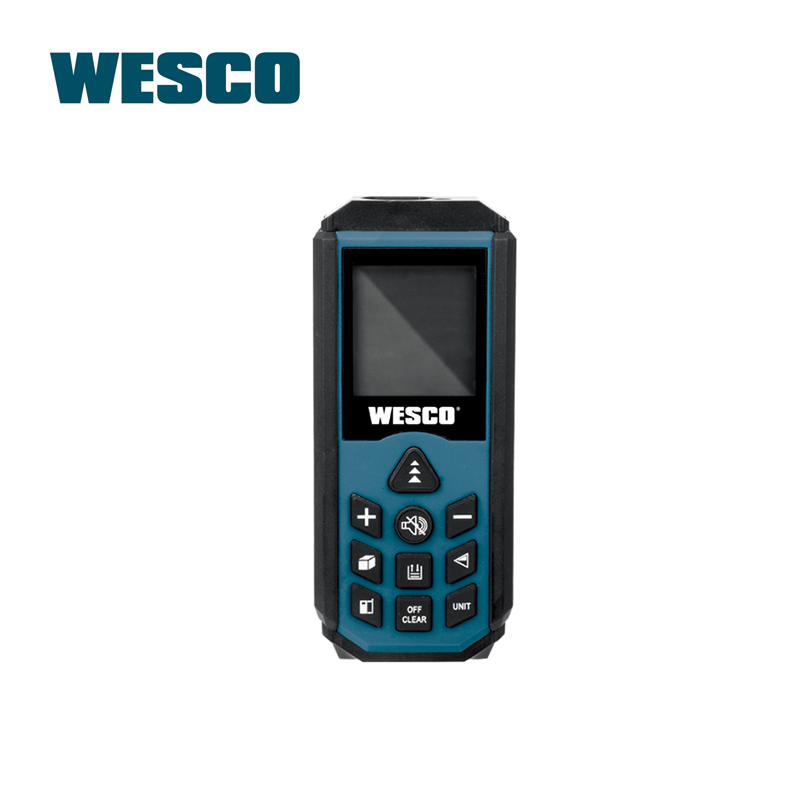
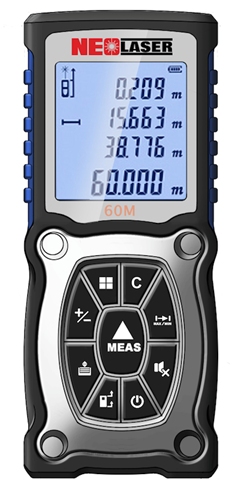
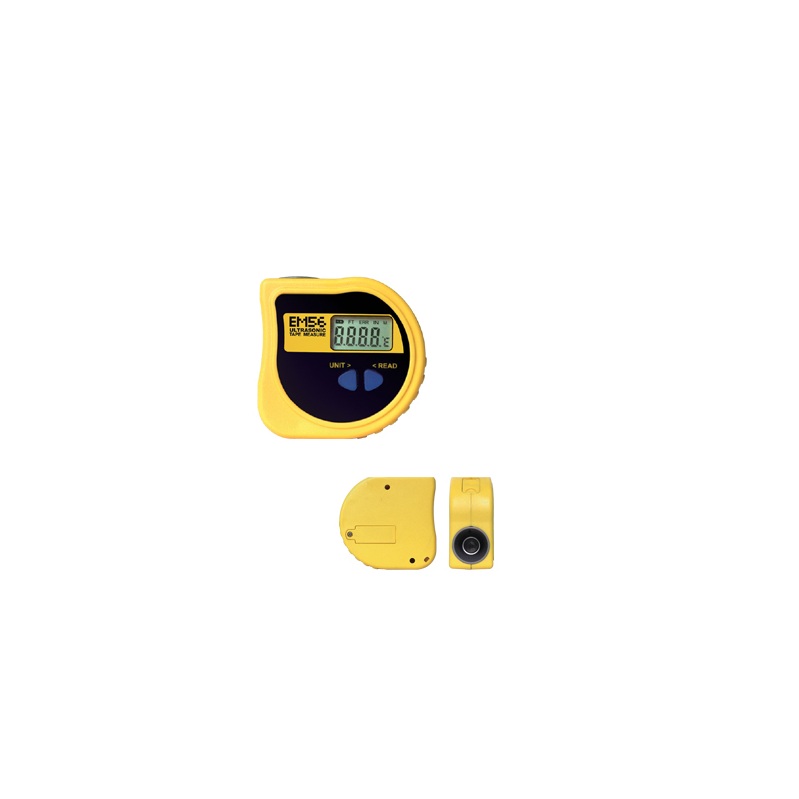
Laser Distance Meters
Source high-precision laser distance meters directly from vetted manufacturers and wholesale suppliers. Designed for importers, distributors, and hardware brands seeking bulk procurement or custom OEM production, our network delivers reliable measurement tools built for professional accuracy and durability.
Sourcing laser distance meters requires navigating a fragmented supplier base where identical external casings often mask vastly different internal capabilities. For professional buyers, the challenge isn't just finding a factory that can assemble a device; it is securing a manufacturing partner with the clean-room facilities and calibration protocols necessary to guarantee consistent millimeter accuracy across thousands of units.
Critical Components and Specifications
The performance of a laser distance meter hinges entirely on its optical-electronic architecture. When evaluating suppliers, you must look past the stated maximum range and understand the hardware driving the measurements. The primary cost and performance drivers are the laser diode, the receiving lens (glass versus plastic), and the avalanche photodiode (APD) sensor.
Professional-grade units utilize phase-shift technology rather than simple time-of-flight for standard distances, requiring highly stable components to prevent accuracy drift across different temperature ranges.
| Specification | Standard Consumer Units | Professional / Industrial Units |
|---|---|---|
| Laser Diode | Standard Red (635nm) | High-Visibility Green (500-540nm) |
| Receiving Lens | Acrylic / Plastic (prone to thermal expansion) | Aspherical Glass (thermally stable) |
| Sensor Type | Standard Photodiode | High-Sensitivity APD |
| Accuracy Tolerance | ± 2.0 mm to 3.0 mm | ± 1.0 mm to 1.5 mm |
Manufacturing and Factory Floor Realities
Assembly of precision optical tools cannot happen on a standard electronics line. Dust is the enemy of optics; a single speck on the APD sensor or the internal side of the receiving lens will permanently degrade the unit's measuring capability.
When conducting Factory Audits for optical equipment, we look for specific environmental controls and specialized testing equipment on the assembly line.
Key Factory Audit Priorities
- Class 10,000 or better clean-room environments for optical assembly.
- Automated optical alignment jigs to ensure the laser emitter and receiving lens are perfectly parallel.
- Temperature-controlled aging rooms to test phase-shift stability under thermal stress.
- Calibrated baseline testing tunnels (usually 10m to 30m long) integrated directly into the production floor.
Need help verifying a manufacturer's optical assembly capabilities? Let's discuss your sourcing requirements.
Talk to our teamQuality Control and Regulatory Compliance
Laser devices are heavily regulated in most major markets. Failing to meet laser safety standards will result in immediate customs seizures and potential product recalls. Most laser distance meters fall under Class 2 laser products (power output under 1mW).
For the US market, the manufacturer must hold a valid FDA/CDRH accession number. For Europe, the product must comply with IEC 60825-1 standards alongside standard CE marking (EMC and RoHS).
FDA Accession Number Verification
Do not accept a supplier's FDA accession number at face value. It is common for trading companies to provide an accession number that belongs to a different factory or an expired product model. Always verify the specific manufacturer and model number against the FDA database.
Beyond regulatory compliance, rigorous Quality Control & Inspection is required to ensure physical durability. Professional meters should undergo drop testing (typically 1 to 2 meters) and ingress protection testing (IP54 to IP65) to ensure the optical alignment survives job-site conditions.
Sourcing Mechanics: Pricing, MOQs, and Lead Times
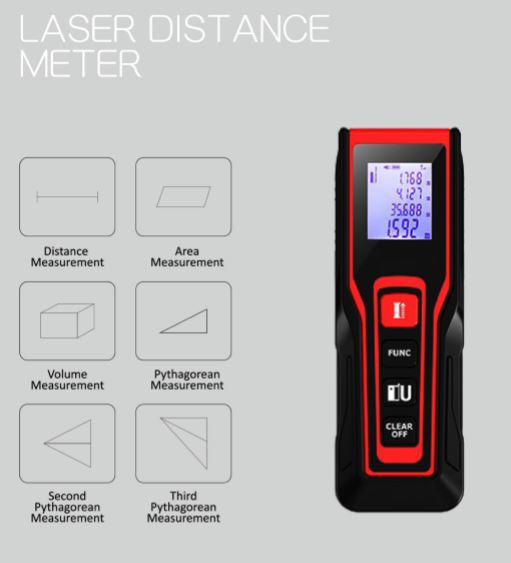
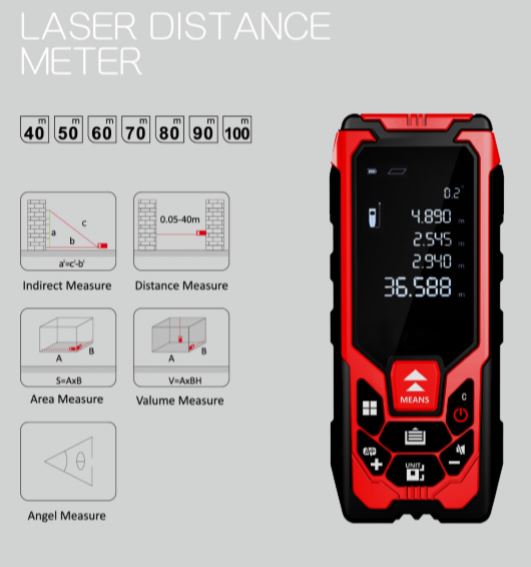
Bulk pricing for laser distance meters is dictated by the maximum range (e.g., 40m versus 120m), the laser color, and secondary features like Bluetooth connectivity, built-in inclinometers (angle sensors), or camera targeting for outdoor use.
If you are pursuing OEM/ODM Services to launch a private-label line, understanding standard industry terms will help you negotiate effectively.
Planning a custom private-label run? We can help negotiate terms, audit the factory, and manage the production schedule.
Get a free consultationFrequently Asked Questions
Final Sourcing Insights
Success in sourcing laser distance meters comes down to supply chain transparency. Knowing exactly whose laser diode and APD are inside the shell separates professional tools from unreliable gadgets. A rigorous approach to factory selection, component specification, and pre-shipment testing is the only way to protect your brand's reputation in the hardware market. If you are looking to streamline your procurement and ensure rigorous quality oversight, our team is ready to support your operations.
Get Sourcing Help for Laser Distance Meters
Tell us your requirements and our experts will connect you with verified manufacturers.