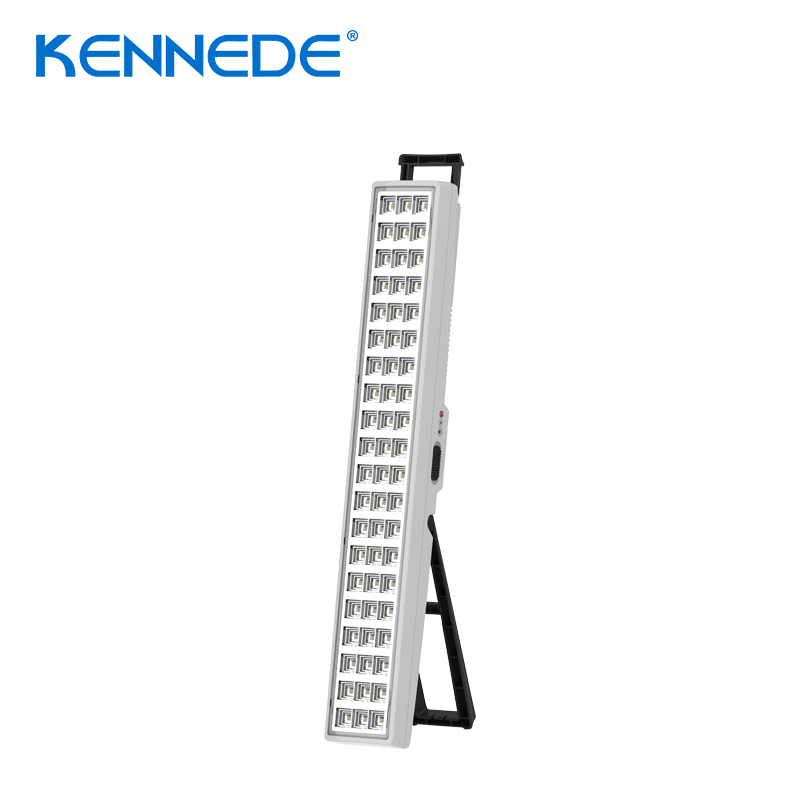
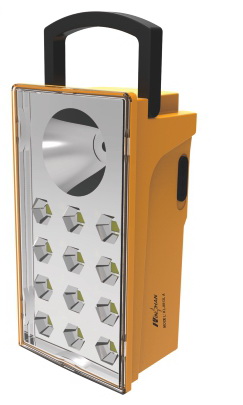
Lanterns
Source commercial-grade lanterns from vetted manufacturers and wholesale suppliers across Asia. Designed for importers, distributors, and outdoor brands seeking reliable OEM/ODM production, our factory-direct network delivers high-volume orders built to exacting performance and durability standards.
Sourcing professional-grade lanterns at scale requires moving beyond cosmetic designs to focus on component reliability, thermal management, and battery safety. Whether you are procuring heavy-duty work lights for industrial distribution or high-lumen outdoor lanterns for a camping brand, the core challenge remains the same: ensuring the factory's bill of materials (BOM) matches your performance claims without degrading over time.
Specifying Professional Lanterns: Core Technical Drivers
When negotiating with manufacturers, vague specifications lead to component substitution. To secure consistent quality, bulk buyers must define the exact parameters of the light source, power storage, and housing materials.
LED Chipsets and Luminous Efficacy
Professional lanterns rely on high-efficiency SMD (Surface-Mounted Device) or COB (Chip-on-Board) LEDs. Buyers should specify the required luminous efficacy (lumens per watt), color temperature (CCT, typically measured in Kelvin), and Color Rendering Index (CRI). High-end suppliers will provide integrating sphere test reports to verify that the lumen output matches the specification sheet, rather than relying on theoretical maximums.
Battery Chemistry and Power Management
The battery is the most expensive and volatile component in a rechargeable lantern. Specifying the correct chemistry dictates the product's lifespan, safety, and price point.
| Chemistry | Energy Density | Cycle Life | Best Application |
|---|---|---|---|
| Lithium-Ion (18650/21700) | High | 300 to 500 cycles | Compact, high-lumen tactical & outdoor lanterns |
| LiFePO4 (Lithium Iron Phosphate) | Moderate | 2,000+ cycles | Heavy-duty industrial & solar-charged lanterns |
| Lead-Acid (SLA) | Low | 200 to 300 cycles | Budget emergency lighting (declining in use) |
Ingress and Impact Protection
For outdoor and industrial applications, the housing must withstand harsh environments. Specify the required IP rating (e.g., IP65 for dust-tight and water-resistant performance) and IK rating (impact resistance). Housing materials should be defined—typically high-impact ABS, Polycarbonate (PC) for lenses, or extruded aluminum for premium heat dissipation.
Navigating battery safety standards, LED binning, and IP ratings requires strict factory oversight. Let us help you secure reliable, compliant production.
Talk to our teamManufacturing Tolerances and Quality Control
The manufacturing process for LED lanterns involves plastic injection molding, PCBA (Printed Circuit Board Assembly) production, battery spot-welding, and final assembly. Quality is often compromised during the PCBA stage or through poor battery cell grading.
Inconsistent LED binning will result in noticeable color temperature variations across a single production batch. Furthermore, inadequate thermal management on the PCB will cause the LEDs to overheat, drastically reducing their lifespan and lumen output over time. Implementing rigorous quality control and inspection protocols during production is essential to catch these invisible defects before the goods are containerized.
Critical Pre-Shipment Inspection Checks
- Integrating sphere testing for true lumen and CCT verification.
- Battery capacity testing and cell grading verification (avoiding Grade B cells).
- Waterproof testing (submersion or spray testing per IP specifications).
- Drop testing (typically 1 to 2 meters) to verify structural integrity and IK ratings.
- Aging tests (burn-in testing) to monitor thermal management and PCB stability.
Customization and Compliance
Brands looking to differentiate their product lines often utilize OEM/ODM services to develop custom molds, proprietary lighting modes, or integrated features like power banks and solar charging panels. When developing custom tooling, expect a lead time of 40 to 60 days before the first off-tool samples are ready for review.
Regulatory compliance is another major hurdle. Lanterns with lithium batteries and charging circuits must meet strict international standards. Depending on your market, you will need to verify CE, RoHS, FCC, and potentially UL or ETL certifications for the charging components. Engaging in proper compliance and testing ensures your shipment will not be held at customs or face retail rejection.
Buying Mechanics: MOQs, Lead Times, and Pricing
Pricing in the lantern category is highly elastic, driven primarily by battery capacity (mAh) and the quality of the LED chipset.
Struggling to negotiate realistic MOQs or verify factory certifications? Our sourcing experts can manage the entire procurement process for you.
Get a free consultationFrequently Asked Questions
Successfully sourcing professional lanterns requires balancing high-performance specifications with strict cost controls and rigorous quality oversight. By defining your BOM down to the component level and enforcing strict testing standards, you can build a resilient and profitable lighting supply chain.
Get Sourcing Help for Lanterns
Tell us your requirements and our experts will connect you with verified manufacturers.