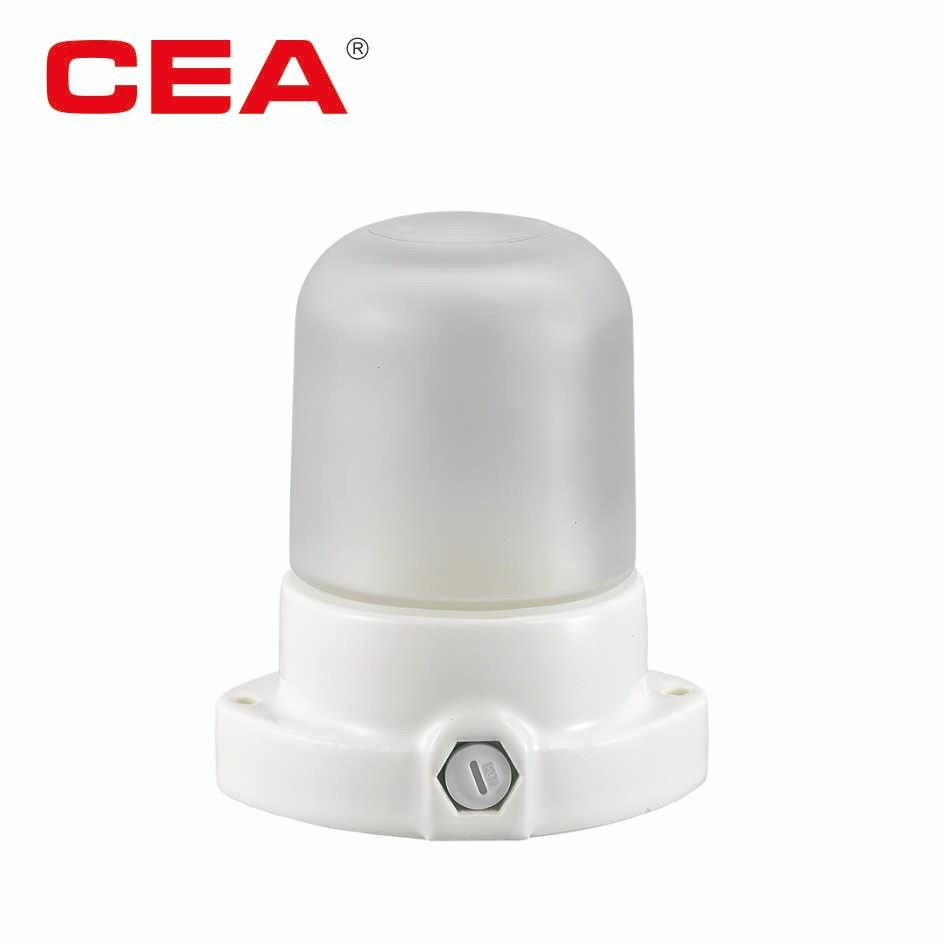
Lamp Shades
Source high-quality lamp shades in bulk from vetted manufacturers and suppliers across Asia. Built for importers, lighting distributors, and brands requiring reliable OEM and private-label production, this catalog covers commercial and residential applications with competitive pricing and verified factory capabilities.
Sourcing lamp shades at scale is an exercise in balancing aesthetic precision with logistical efficiency. While the manufacturing process—cutting, laminating, wire forming, and binding—appears straightforward, achieving consistent fabric tension, clean seams, and managing the severe volumetric weight challenges of shipping empty space requires tight factory control and experienced supply chain management.
Anatomy and Manufacturing Specifications
A commercial-grade lamp shade relies on the precise integration of its structural frame and its outer material. When negotiating with factories, buyers must specify exact requirements for both components to avoid substandard substitutions.
The Structural Frame (Spider, Uno, and Washer)
The internal wire frame dictates the shade's rigidity and compatibility with the lamp base. Standard frames are typically constructed from mild steel wire. For structural stability, wire gauge should range from 3mm for small accent shades up to 5mm for large drum or pendant shades.
Crucially, the metal must be properly treated to prevent rust, which can bleed through delicate fabrics over time. Specify either electroplating (brass, nickel, or zinc) or a baked powder-coated finish. Welds must be ground smooth; sharp burrs will puncture the backing material during assembly or transit.
Fabrics, Backings, and Lamination
Hardback shades consist of an outer fabric (linen, silk, cotton, or synthetic blends) laminated to a rigid backing—typically Polystyrene (PS) or Polyvinyl Chloride (PVC). The backing dictates the shade's opacity and how light diffuses.
- Translucent backings are used when the shade itself needs to glow.
- Opaque backings (often gold, silver, or thick white PVC) direct light strictly up and down.
When specifying materials for custom production through OEM/ODM Services, ensure the factory uses heat-resistant adhesives. Poor quality glue will yellow, crystallize, or fail completely when subjected to the continuous heat of a light bulb, leading to fabric delamination.
Defect Management and Quality Control
Quality is won or lost on the assembly floor during the binding and rolling phases. Because lamp shades are highly visible aesthetic components, minor defects easily trigger retail returns. Implementing strict Quality Control & Inspection before shipment is essential.
Pre-Shipment Inspection Focus Areas for Lamp Shades
- Seam Alignment: Ensure overlapping seams are straight, minimal (typically under 10mm), and tightly glued.
- Adhesive Residue: Inspect for excess glue marks on the fabric surface or inner backing.
- Fabric Tension: Check for rippling, bubbling, or puckering, indicating poor lamination or uneven stretching.
- Light Testing: Illuminate the shade to check for inconsistent opacity, pinholes, or 'hotspots' in the backing.
- Frame Integrity: Verify weld strength and check for smooth, rust-free finishes on all metal parts.
- Dimensional Tolerance: Ensure the top diameter, bottom diameter, and slant height match specifications within a 2mm tolerance.
Struggling with high defect rates or inconsistent quality from your current lighting suppliers? Let Merhein manage your factory vetting and on-site inspections for flawless production runs.
Talk to our teamThe Volumetric Weight Challenge
The single biggest cost driver in importing lamp shades is not the product itself, but the freight. Shipping fully assembled drum or empire shades means paying to ship empty air. To optimize Shipping & Freight costs, buyers must strategically select the structural design of the shade.
| Design Type | Freight Efficiency | Assembly Required | Structural Rigidity |
|---|---|---|---|
| Fixed Frame (Hardback) | Poor (High Volumetric Weight) | None (Ready to use) | Excellent |
| Nestable (Tapered) | Moderate to Good | None | Excellent |
| Knock-Down (KD) / Collapsible | Excellent (Flat Packed) | Yes (End-user assembly) | Good |
For large-scale distribution, KD (Knock-Down) shades—where the fabric rolls up and the wire rings assemble via clips or velcro—can reduce shipping volume by up to 70%. However, this requires precise manufacturing tolerances so the end-user can assemble a shade that looks perfectly taut.
Typical MOQs, Pricing, and Lead Times
Pricing for lamp shades is highly variable, driven by the outer fabric grade, the complexity of the shape (e.g., scalloped edges vs. simple drums), and the finishing details (rolled edges vs. fabric trims).
Factories will often lower MOQs if you select stock fabrics from their existing inventory. If you require custom-dyed fabrics or specific fire-retardant treatments, MOQs will rise significantly to meet the fabric mill's minimums.
Need to optimize your landed costs? Merhein helps you negotiate better pricing, manage MOQs, and implement flat-pack designs that slash your international freight expenses.
Get a free consultationBuyer FAQ
Successfully sourcing lamp shades in bulk requires looking past the aesthetics to focus on structural integrity, material chemistry, and logistics optimization. By controlling the bill of materials and engineering for freight efficiency, buyers can significantly improve their margins and product reliability.
Get Sourcing Help for Lamp Shades
Tell us your requirements and our experts will connect you with verified manufacturers.