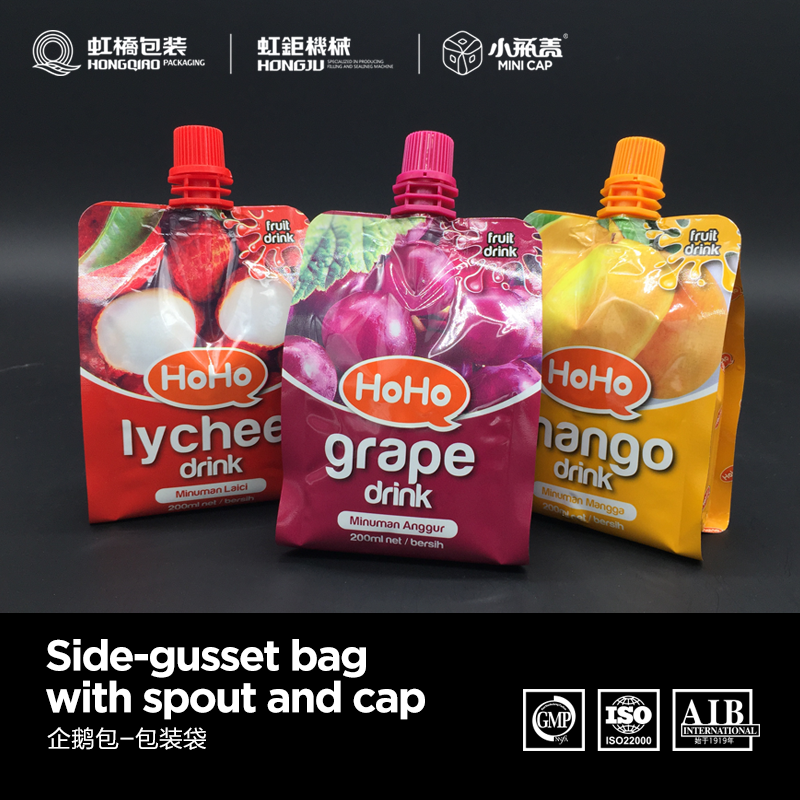
Laminated Plastic Bags
Source high-quality Laminated Plastic Bags from vetted suppliers and manufacturers. Designed for importers, wholesalers, and brands seeking reliable OEM and private-label production, our network delivers custom barrier packaging that meets strict compliance and performance standards for bulk buyers worldwide.
Sourcing laminated plastic bags at scale requires balancing barrier performance, print quality, and seal integrity. When you combine dissimilar polymers and foils, the margin for error in the lamination process shrinks. Specifying the right material structure is critical to preventing delamination, extending product shelf life, and ensuring the packaging runs smoothly on automated filling lines.
Material Structures and Specifications
Laminated bags are engineered by bonding multiple layers of film, each serving a distinct mechanical or chemical purpose. The structural formula you specify dictates the bag's oxygen transmission rate (OTR), moisture vapor transmission rate (MVTR), and puncture resistance.
A standard structure consists of three functional layers, though high-barrier applications may require four or more.
| Layer | Common Materials | Primary Function |
|---|---|---|
| Outer (Print Layer) | PET, BOPP, Nylon (BOPA) | Provides structural integrity, heat resistance, and a high-resolution print surface. |
| Middle (Barrier Layer) | AL (Aluminum Foil), VMPET, EVOH | Blocks moisture, oxygen, and UV light to maximize shelf life. |
| Inner (Sealant Layer) | PE (Polyethylene), CPP | Ensures hermetic heat sealing and direct food contact safety. |
Manufacturing Risks and Quality Control
The lamination process—whether solvent-based, solvent-less, or extrusion—introduces specific failure points on the factory floor. The most critical phase is curing. If the adhesive does not cross-link properly in the curing room, the layers will delaminate under stress, weight, or temperature changes.
Furthermore, solvent-based adhesives can leave retained solvents if drying tunnels are not calibrated correctly. This results in chemical odors that can taint food products and cause compliance failures.
Struggling with delamination or retained solvents? Let our experts audit your packaging supply chain.
Get a free consultationTo mitigate these risks, implementing strict Quality Control & Inspection during the curing and slitting phases is essential. Food-contact packaging also requires rigorous Compliance & Testing to ensure migration limits meet FDA, EU, or local market standards.
Critical Factory-Level QC Checks
- Retained Solvent Testing: Ensure levels are under 5mg per square meter to prevent odor and contamination.
- Seal Strength (Tensile) Testing: Verify the sealant layer can withstand the weight of the product during transit.
- Peel Strength Testing: Measure the bond strength between laminated layers to prevent delamination.
- Burst Testing: Subject sealed bags to internal pneumatic pressure to identify weak side gussets or bottom seals.
Pricing, MOQs, and Production Realities
For custom-printed laminated bags, rotogravure printing is the industry standard. This process requires engraving copper cylinders for each color in your design. Cylinder fees are a one-time setup cost per design, but they heavily influence the upfront investment.
MOQs are dictated by the minimum run length of the master film roll, not the individual bag count. A small 100g pouch might require an MOQ of 50,000 units to consume one master roll, while large 10kg pet food bags might only require 10,000 units.
Partnering with a supplier that offers comprehensive OEM/ODM Services ensures your artwork translates cleanly to the cylinders and the material structure is optimized for your target price point without sacrificing barrier performance.
Need realistic pricing and lead times for a custom laminated structure? We can help you navigate the specifications.
Talk to our teamFrequently Asked Questions
Securing reliable laminated packaging means looking beyond unit price and evaluating a manufacturer's curing capacity, adhesive selection, and quality management systems. Matching your exact barrier requirements to the right production line is the key to consistent, defect-free packaging.
Get Sourcing Help for Laminated Plastic Bags
Tell us your requirements and our experts will connect you with verified manufacturers.