Laboratory Shakers
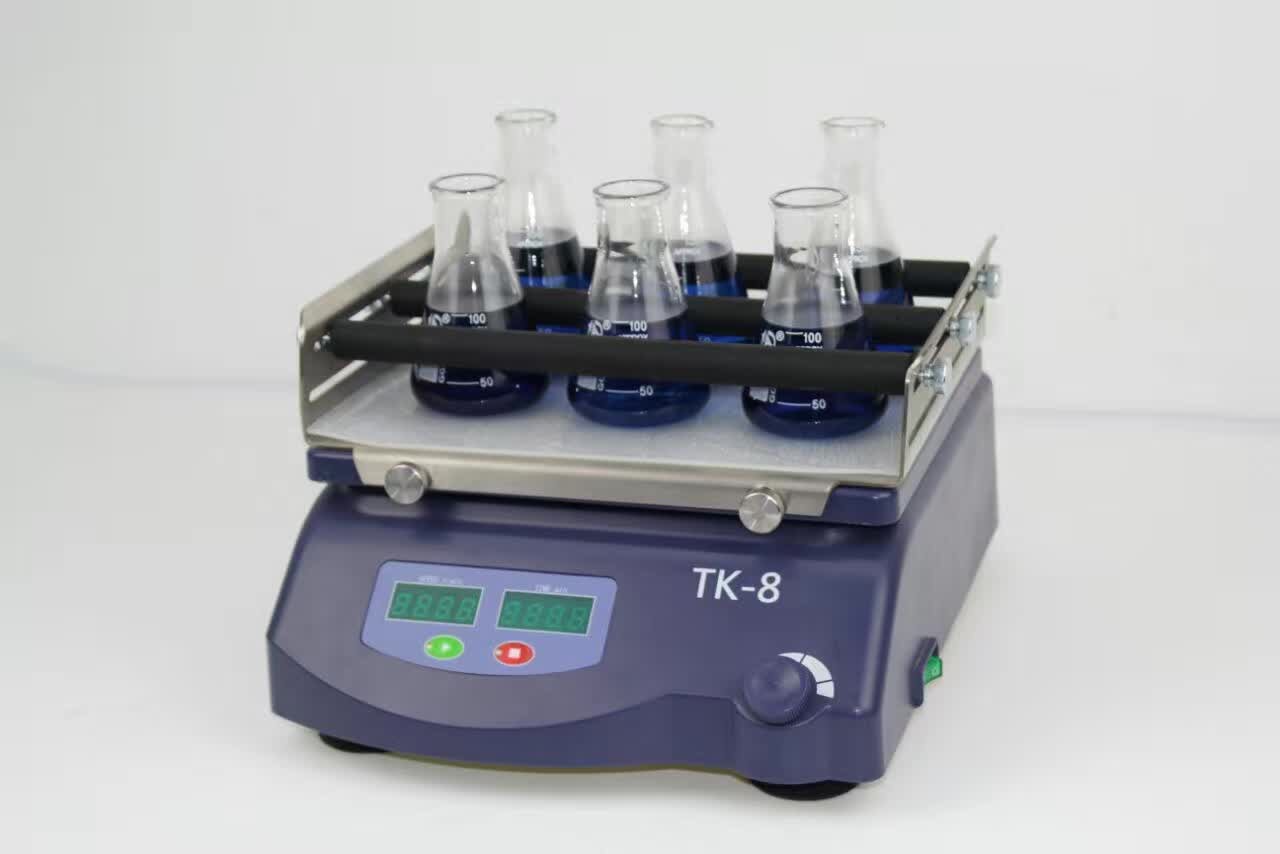
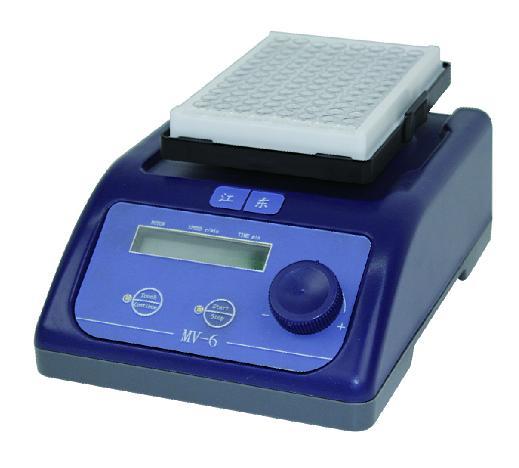
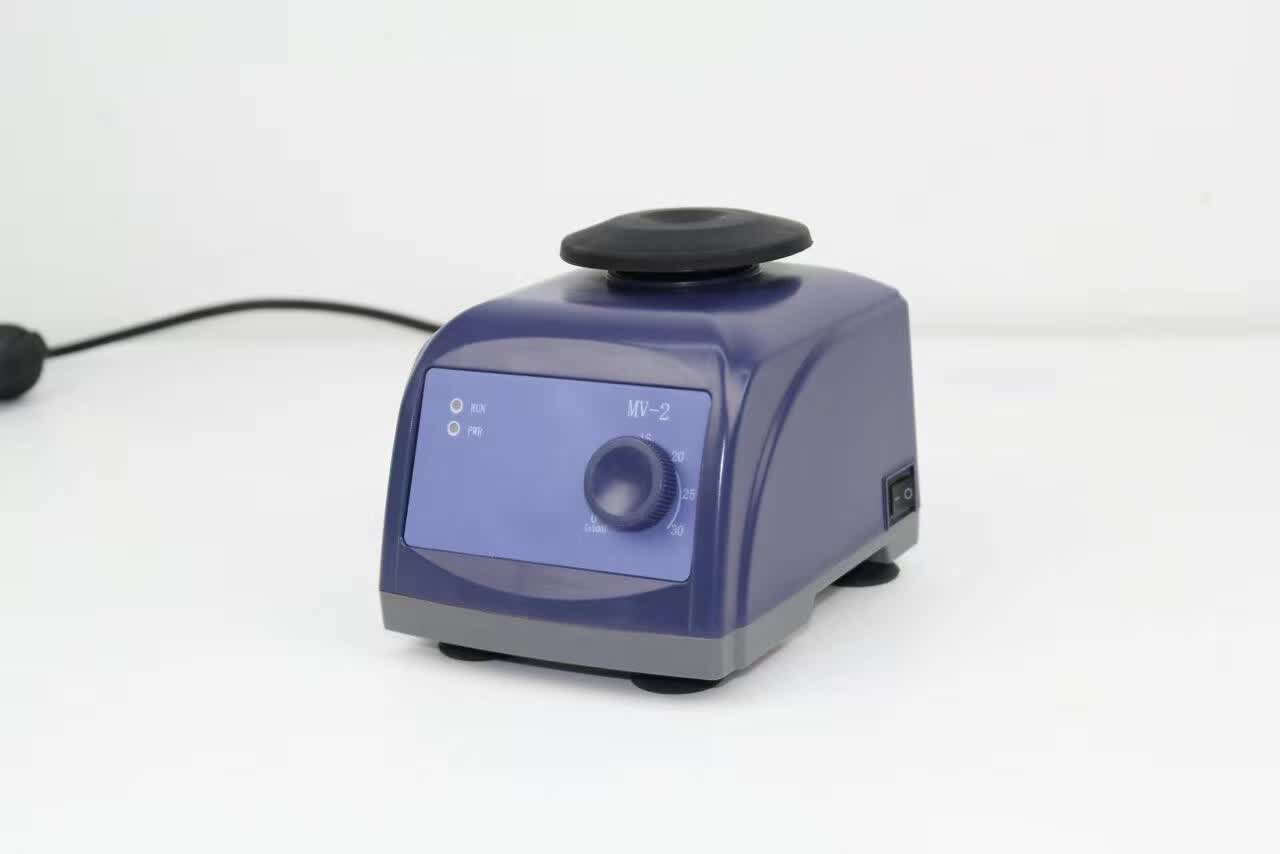
Source laboratory shakers in bulk from vetted manufacturers and suppliers. This catalog is built for medical equipment distributors, laboratory supply importers, and brands seeking reliable OEM/ODM production. Explore competitive wholesale pricing on units engineered for continuous operation and precise speed control.
Sourcing laboratory shakers requires balancing precise mechanical movement with long-term motor durability. For B2B buyers, the challenge isn't just finding a factory that can assemble a motor and a platform; it is identifying manufacturers capable of delivering consistent RPM accuracy, vibration isolation, and continuous-duty reliability across hundreds of units.
Critical Specifications for Bulk Buyers
When negotiating with manufacturers, the specifications you mandate will directly dictate the tier of components used on the assembly line. Laboratory environments demand continuous operation, often inside incubators or cold rooms, meaning standard consumer-grade motors will fail prematurely.
- Motor Technology: Brushless DC (BLDC) motors are non-negotiable for professional-grade shakers. They eliminate carbon brush wear, reduce heat generation, and allow for precise digital speed control.
- Speed Range and Accuracy: Specify the RPM range (typically 50 to 500 RPM) and the acceptable variance. High-end units should maintain speed within plus or minus 1 RPM of the set point, even as the load changes.
- Orbit Diameter: The amplitude of the shaking motion (usually 10mm or 20mm) dictates the aeration and mixing efficiency. Ensure the factory's tooling can maintain tight tolerances on the eccentric counterweight system to prevent orbit drift.
- Load Capacity: Specify maximum load ratings at maximum speed. A shaker rated for 7.5kg must not stall or vibrate excessively when fully loaded at 500 RPM.
| Component | Standard Market Grade | Professional/OEM Grade |
|---|---|---|
| Motor | Brushed DC | Brushless DC (Maintenance-free) |
| Base Material | ABS Plastic | Cast Aluminum or Heavy Gauge Steel |
| Speed Control | Analog Dial | PID Microprocessor with Digital Display |
| Drive Mechanism | Direct Belt | Triple-Eccentric Counterbalanced Drive |
Need help verifying factory capabilities? Merhein engineers can audit supplier technical specifications and component supply chains before you place a volume order.
Talk to our teamManufacturing Quality and Common Failure Points
The visual appearance of a laboratory shaker is easy to replicate; the internal mechanical integrity is where low-cost factories cut corners. If you are developing a custom line through OEM/ODM services, you must control the bill of materials (BOM) tightly.
The most common failure point in poorly manufactured shakers is the bearing assembly. High continuous loads combined with orbital or linear motion put immense stress on the bearings. Factories aggressively competing on price will substitute premium sealed bearings (like NSK or SKF) with unbranded domestic alternatives, leading to increased noise, excessive heat, and eventual seizing.
Another frequent issue is improper counterweight balancing. An unbalanced shaker will "walk" across the laboratory bench during high-speed operation. Rigorous quality control is required to ensure dynamic balancing is performed on every unit before casing assembly.
Pre-Shipment Inspection Focus Areas
- Dynamic Balance Test: Run at max RPM with max load to verify zero base movement.
- Continuous Run Test: Minimum 24-hour continuous operation to check for motor overheating.
- RPM Verification: Use a digital tachometer to verify display accuracy against actual platform speed.
- Acoustic Testing: Measure decibel output at max speed to ensure bearings are seated correctly (typically under 55 dB).
Pricing Drivers, MOQs, and Production Lead Times
Wholesale pricing for laboratory shakers is highly dependent on the motor type, casing material, and digital interface.
- Standard White-Label Units: For existing factory designs, MOQs typically range from 50 to 100 units. Lead times are generally 30 to 45 days.
- OEM/Custom Configurations: If you require custom firmware, specialized platform attachments, or unique casing molds, MOQs will rise to 300 to 500 units. Lead times for initial production, including tooling and sample approval, often extend to 60 to 90 days.
- Compliance and Certifications: Ensure the factory holds valid CE, RoHS, and potentially UL/ETL certifications if importing to North America. Unverified certifications can lead to customs seizures. Conducting thorough factory audits is the most reliable way to verify a supplier's compliance documentation and QMS (Quality Management System) standards like ISO 9001 or ISO 13485.
Struggling to find reliable lab equipment manufacturers? Let Merhein manage the supplier vetting, price negotiation, and production oversight for your next order.
Get a free consultationBuyer FAQ
Successfully importing laboratory shakers requires looking past the outer casing and dictating the internal mechanical standards. By controlling the motor specifications, bearing quality, and dynamic balancing processes, you can secure equipment that performs reliably in demanding clinical and research settings.
Get Sourcing Help for Laboratory Shakers
Tell us your requirements and our experts will connect you with verified manufacturers.