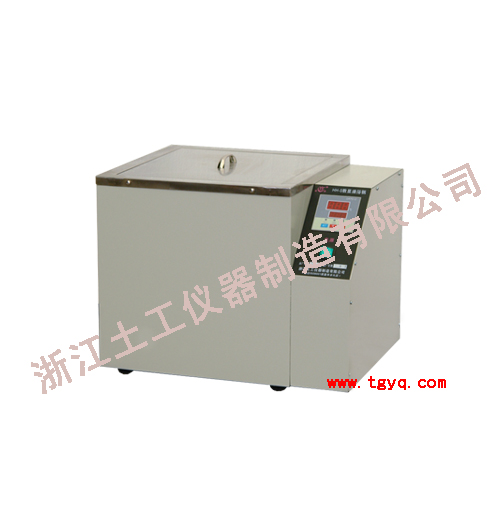
Laboratory Heating Equipment
Source high-performance laboratory heating equipment directly from vetted manufacturers and suppliers. Designed for importers, wholesalers, distributors, and brands seeking reliable OEM/ODM production in volume. Secure competitive wholesale pricing on bulk orders with stringent quality control and verified international compliance.
Sourcing laboratory heating equipment in bulk requires balancing rigorous technical specifications with cost-effective manufacturing. Whether you are procuring hot plates, incubators, drying ovens, or high-temperature muffle furnaces, the core sourcing challenge remains the same: ensuring absolute temperature stability, uniform heat distribution, and fail-safe operation. In laboratory environments, equipment failure or temperature drift compromises research and testing integrity, making strict supplier vetting and component-level quality control non-negotiable.
Critical Components and Specifications
When evaluating a manufacturer's capability, their choice of internal components dictates the equipment's lifespan and accuracy. A factory producing consumer-grade heating appliances cannot simply pivot to laboratory equipment; the precision requirements demand specialized engineering.
Controllers and Sensors
The brain of any lab heating device is the PID (Proportional-Integral-Derivative) controller. High-end equipment utilizes advanced microprocessor-based PID controllers paired with Class A PT100 platinum resistance thermometers or K-type thermocouples. When negotiating specifications, confirm the controller's sampling rate and the sensor's tolerance class. A standard requirement for laboratory applications is a temperature stability of ±0.1°C to ±1°C, depending on the maximum temperature range.
Heating Elements
The choice of heating element directly impacts the maximum operational temperature, ramp-up time, and longevity of the equipment.
| Heating Element | Typical Max Temp | Primary Application |
|---|---|---|
| Nichrome Wire (NiCr) | Up to 1200°C | Standard drying ovens, incubators, and hot plates |
| Silicon Carbide (SiC) | Up to 1500°C | High-temperature muffle furnaces, ashing |
| Molybdenum Disilicide (MoSi2) | Up to 1800°C | Advanced materials testing, metallurgy |
Need help matching component specifications to your target market? Connect with our sourcing engineers.
Discuss your technical requirementsManufacturing Quality and Common Defects
The difference between a premium laboratory heating unit and a high-risk failure often lies hidden beneath the outer casing. Factories competing solely on price frequently cut corners on insulation and electrical safety, leading to equipment that fails prematurely or poses a burn and fire hazard.
To mitigate these risks, implementing thorough Quality Control & Inspection protocols during production and prior to shipment is critical.
Pre-Shipment Inspection Focus Areas
- Insulation Integrity: Verify ceramic fiber or fiberglass thickness to ensure the exterior casing remains cool to the touch (typically under 40°C).
- Temperature Calibration: Multi-point calibration checks to ensure the PID display matches independent calibrated probe readings inside the chamber.
- Electrical Safety: Earth continuity, dielectric withstand (hipot) testing, and leakage current verification.
- Material Verification: PMI (Positive Material Identification) on stainless steel inner chambers (ensure 304 or 316 grade is used, not 201).
- Safety Overrides: Functional testing of independent over-temperature protection alarms and automatic shut-offs.
Compliance and Market Access
Laboratory equipment is subject to strict regulatory frameworks. For the European market, CE marking (covering both the Low Voltage Directive and Electromagnetic Compatibility Directive) is mandatory. For North America, UL or ETL listing is practically required by institutional and corporate buyers.
Relying on a supplier's provided certificates is a common pitfall; many factories provide outdated, irrelevant, or fabricated documentation. Professional buyers must cross-reference test reports with the specific components used in their production run. Engaging third-party Compliance & Testing services ensures your imported equipment legally meets your destination market's standards. Furthermore, conducting comprehensive Factory Audits before placing a deposit verifies that the manufacturer maintains a certified ISO 9001 Quality Management System specifically scoped for laboratory or medical equipment.
Pricing, MOQs, and Lead Times
Because laboratory heating equipment is specialized, production is rarely "off-the-shelf." Manufacturers typically assemble to order, integrating specific voltage requirements, plug types, and controller interfaces.
If you are developing a proprietary line of equipment, leveraging OEM/ODM Services allows you to dictate the exact aesthetic, controller firmware, and feature set. However, this requires a manufacturer with an in-house R&D team capable of modifying sheet metal tooling and programming logic controllers, not just an assembly workshop.
Ready to scale your laboratory equipment sourcing? Talk to our team about vetting suppliers and managing production.
Get a free consultationFrequently Asked Questions
Successfully importing laboratory heating equipment requires moving beyond basic supplier directories. By focusing on component-level specifications, mandating strict pre-shipment calibration, and verifying compliance documentation, you can build a resilient and profitable supply chain for high-precision laboratory instruments.
Get Sourcing Help for Laboratory Heating Equipment
Tell us your requirements and our experts will connect you with verified manufacturers.