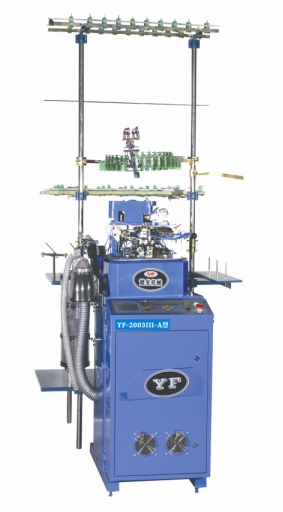
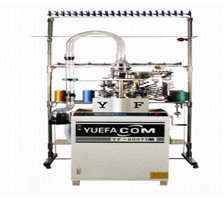
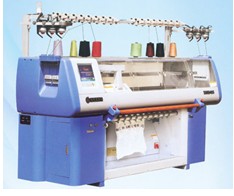
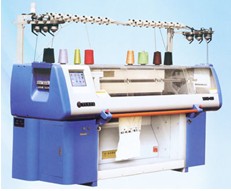
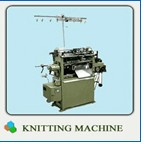
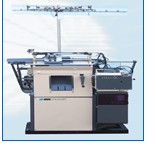
Knitting Machines
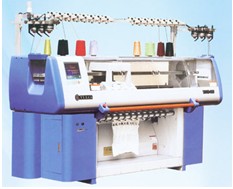
Source commercial and industrial knitting machines from vetted manufacturers and suppliers in China and across Asia. Designed for textile importers, wholesalers, distributors, and apparel brands, our network offers reliable, scalable machinery solutions for bulk procurement and custom production lines.
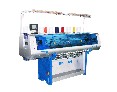
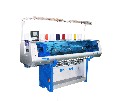
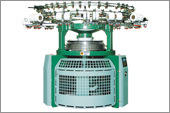
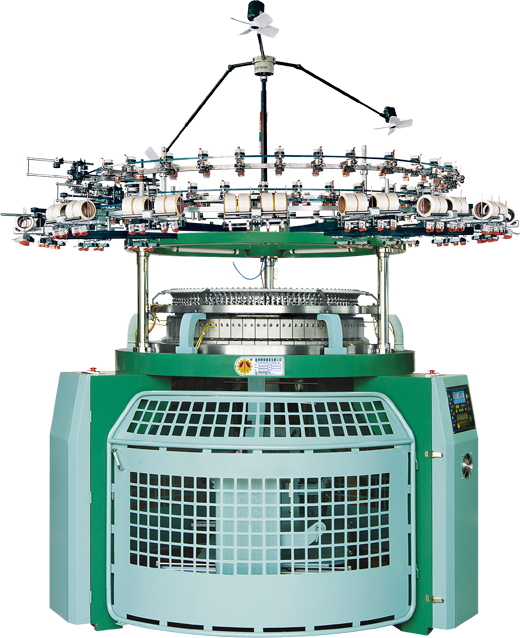
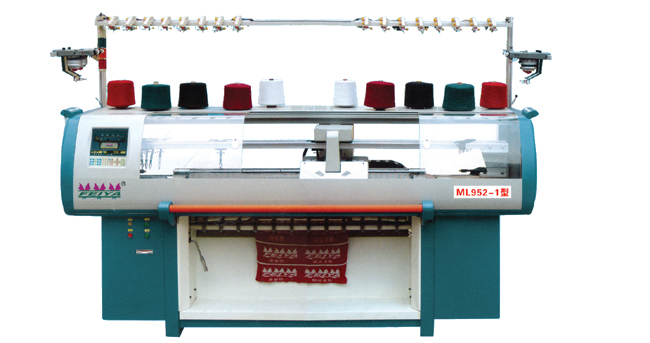
Sourcing industrial knitting equipment requires balancing precision engineering with continuous production output. Whether you are procuring computerized flat knitting machines for garment manufacturing or high-speed circular machines for continuous fabric rolls, the core challenge lies in verifying component quality. A machine's reliability comes down to the metallurgy of its cams, the precision of its cylinders, and the integration of its electronic controllers long before it leaves the factory floor.
Core Specifications and Configurations
When negotiating with manufacturers, specifying the correct technical parameters is critical. Buyers must look beyond the base model and dictate the exact configuration required for their target textile output.
| Specification | Measurement Unit | Production Impact |
|---|---|---|
| Gauge (G) | Needles per inch | Determines fabric fineness and yarn compatibility. |
| Cylinder Diameter | Inches (e.g., 30-34 inch) | Dictates the tubular width of the final knitted fabric. |
| Number of Feeders | Count (e.g., 90-102F) | Directly correlates to production speed and output volume. |
| Operating Speed | RPM | Higher speeds require superior motor stability and vibration control. |
Component Quality and Factory Floor Realities
The frame and heavy castings of a knitting machine are typically manufactured locally, but the critical moving parts dictate the machine's lifespan. Professional buyers often specify imported components for high-wear areas. For example, demanding German-made needles (like Groz-Beckert) and premium Japanese or Taiwanese electronic yarn feeders (like Memminger-IRO) significantly reduces needle breakage and fabric defect rates (such as drop stitches or oil spots).
Evaluating a supplier requires looking at their machining capabilities. The cams and cylinders must be CNC-machined from high-grade steel and properly hardened. Poor metallurgy here leads to rapid wear, inconsistent tension, and ultimately, rejected fabric. Conducting thorough Factory Audits is the most effective way to verify a manufacturer's CNC precision and in-house hardening processes before placing a volume order.
Need help verifying a manufacturer's technical capabilities? Our engineering and sourcing teams can audit factories and validate component specifications on your behalf.
Discuss your machinery requirementsPre-Shipment Inspection Criteria
Machinery defects are costly to rectify once the equipment reaches your facility. A rigorous Quality Control & Inspection protocol must be executed at the factory.
Critical Factory Inspection Points
- Verify exact component brands against the purchase agreement (needles, sinkers, motors).
- Confirm a continuous run-in test of 48 to 72 hours to check for thermal stability.
- Inspect the fabric output from the run-in test for vertical lines, oil stains, or dropped stitches.
- Check the central lubrication system for consistent pressure and zero leakage.
- Ensure the inverter and control panel operate smoothly across all speed settings.
Pricing, MOQ, and Lead Times
Knitting machinery is capital-intensive, and while Minimum Order Quantities (MOQs) are low, the logistics of moving heavy equipment dictate purchasing strategies.
Pricing is heavily influenced by the origin of the critical components and the diameter/feeder count of the machine. Buyers looking for custom branding, specific gauge conversions, or proprietary software integrations frequently utilize OEM/ODM Services to tailor the machines to their exact production lines.
Because these machines weigh several tons and are highly sensitive to moisture and shock, specialized Shipping & Freight handling is mandatory. Machines must be vacuum-sealed with heavy-duty desiccants, coated in anti-rust oil, and secured in reinforced wooden crates to survive ocean transit.
Planning a machinery import? We handle end-to-end procurement, from negotiating component specs to managing heavy-freight logistics and customs clearance.
Get a freight and sourcing quoteFrequently Asked Questions
Successful procurement of knitting machines requires looking past the initial unit price and focusing on the Total Cost of Ownership (TCO). A machine that saves you a few thousand dollars upfront but suffers from frequent needle breaks, oil leaks, or electronic faults will quickly consume those savings in downtime and wasted yarn. Partnering with experienced sourcing professionals ensures your equipment is built to spec, rigorously tested, and delivered ready to produce.
Get Sourcing Help for Knitting Machines
Tell us your requirements and our experts will connect you with verified manufacturers.