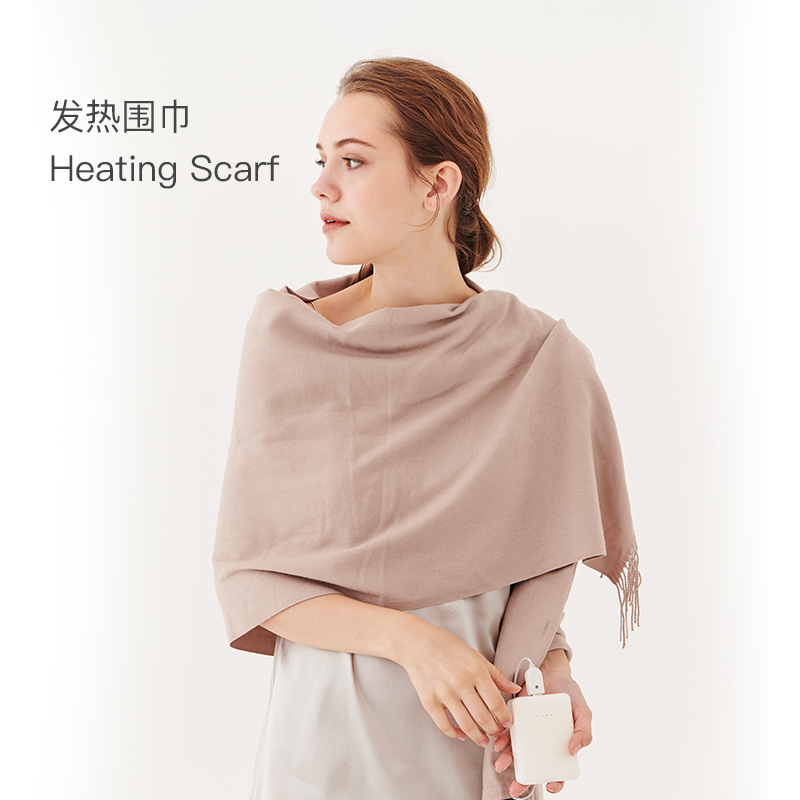
Knitted Scarves
Source high-quality knitted scarves from vetted manufacturers and suppliers across Asia. Designed for importers, wholesalers, and apparel brands seeking reliable OEM/ODM production, our network delivers consistent quality at scale. Secure competitive pricing on bulk orders with full supply chain support.
Sourcing knitted scarves at volume requires balancing yarn composition, machine gauge capabilities, and finishing quality. Whether you are developing chunky winter styles or fine-knit transitional pieces, success depends on aligning your technical specifications with the right factory's machinery and yarn supply network.
Specifying Yarn and Knitting Gauge
The foundation of any knitted scarf is the yarn and the machine gauge (GG) used to construct it. Factories categorize production by gauge, which dictates the number of needles per inch on the knitting bed.
- Chunky knits (1.5GG to 5GG): High yarn consumption, longer knitting times, and a heavier final product. Often used for heavy winter acrylics or wool blends.
- Mid-gauge (7GG to 9GG): The standard for everyday commercial scarves, offering a balance of warmth and production efficiency.
- Fine knits (12GG to 16GG): Requires premium, tightly spun yarns (merino, cashmere, fine viscose). Production speeds are slower, and tolerances for yarn defects are much tighter.
| Yarn Composition | Characteristics | Typical Application |
|---|---|---|
| 100% Acrylic | Cost-effective, colorfast, prone to pilling if spun poorly | Mass-market retail, promotional |
| Wool / Nylon Blends | Improved durability and shape retention, softer hand-feel | Mid-tier fashion brands |
| Cashmere & Merino | Premium insulation, requires specialized fine-gauge machinery | High-end retail, luxury OEM |
Managing Quality on the Factory Floor
Knitwear production is highly susceptible to tension variations and yarn defects. A supplier's quality management system must catch these issues on the knitting floor before the finishing stage (washing, blocking, and pressing) obscures them.
Critical QC Checks for Knitted Scarves
- Dropped stitches and snags: Inspecting the knit structure over light tables.
- Dimensional stability: Verifying the scarf maintains length and width after blocking and washing.
- Tension consistency: Ensuring edges do not curl excessively (unless designed as a rolled hem).
- Pilling resistance: Testing yarn twist and fiber length via Martindale or similar rub tests.
- Colorfastness: Crucial for contrast jacquard patterns to prevent dye bleeding during wet processing.
Catching these defects early requires stringent in-line quality control before the scarves are pressed, labeled, and packed. Once a dropped stitch is pressed into the fabric, it becomes much harder to identify until the end-user washes the garment.
Facing high defect rates in your knitwear supply chain? Let's discuss implementing stricter QC protocols at the factory level.
Get a free consultationFactory Capabilities and Regional Hubs
China remains the dominant force in knitwear manufacturing, but capabilities vary wildly by region. Tonglu (in Zhejiang province) is a massive hub for commercial knitted accessories, offering deep local yarn markets and high-speed computerized flat knitting machines. Inner Mongolia, by contrast, specializes in premium cashmere and fine wools.
When developing custom patterns (like jacquard or intarsia), you must verify the factory's machinery. Facilities equipped with modern computerized machines can execute complex OEM/ODM private-label designs with high precision and lower defect rates. Conducting comprehensive factory audits is essential to confirm machine count, gauge availability, and ethical compliance before placing a deposit.
Pricing, MOQs, and Lead Times
Pricing is dictated primarily by yarn cost (calculated by weight) and knitting time. Complex intarsia patterns take significantly longer to knit than basic jersey or rib stitches, tying up machine time and increasing the unit cost, even if the yarn weight is identical.
If you require custom-dyed yarns (Pantone matching), factories will pass on the dyehouse's minimum yarn weight requirements. This can easily push scarf MOQs well over 2,000 pieces per color, depending on the yarn composition and weight of the scarf.
Need to negotiate better MOQs or optimize your knitwear production costs? We can match your specs with the right manufacturer.
Talk to our teamFrequently Asked Questions
Successful knitwear sourcing goes beyond just picking a design; it requires a deep understanding of yarn behavior, machine constraints, and finishing processes. By aligning your product specifications with the correct manufacturing hub and machinery, you can stabilize costs and eliminate downstream quality issues.
Get Sourcing Help for Knitted Scarves
Tell us your requirements and our experts will connect you with verified manufacturers.