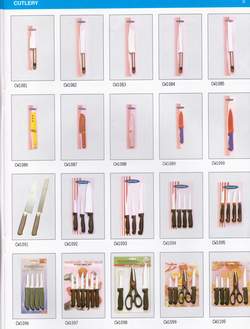
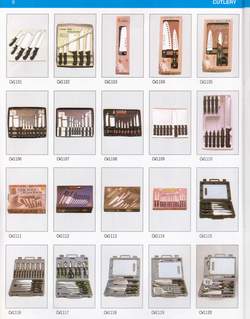
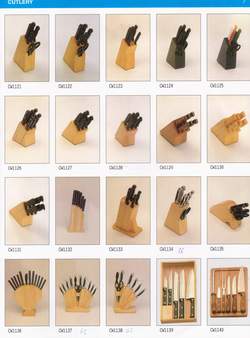
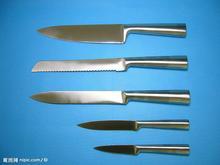
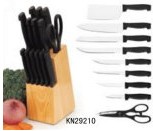
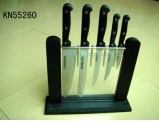
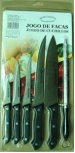
Knife Sets
Source premium and everyday knife sets from vetted suppliers and manufacturers across Asia. Designed for importers, wholesalers, and brands seeking reliable OEM and private-label production, our network delivers consistent quality at scale. Secure competitive pricing and reliable fulfillment for your bulk kitchenware orders.
Sourcing knife sets at volume requires balancing metallurgical precision with consumer aesthetics. A successful production run hinges on consistent heat treatment, precise edge geometry, durable handle construction, and presentation packaging that commands retail value. For procurement managers and brands, navigating the manufacturing hubs in regions like Yangjiang, China, means strictly defining specifications to avoid inconsistent steel hardness and poor edge retention.
Defining Steel Grades and Hardness (HRC)
The core of any knife set specification is the steel composition and its target Rockwell Hardness (HRC). Specifying the right steel dictates the product's market tier, edge retention, and resistance to corrosion.
- 3Cr13 / 4Cr13 Stainless Steel: The standard for budget and entry-level stamped knife sets. Highly corrosion-resistant and easy to sharpen, but requires frequent honing. Target HRC: 52 to 54.
- 5Cr15MoV / 1.4116 (German Steel): The workhorse of mid-tier and professional sets. Offers a strong balance of edge retention, toughness, and stain resistance. Target HRC: 55 to 57.
- VG-10 / Damascus Cladding: Premium high-carbon steel often clad in layers of softer stainless steel for durability and aesthetic appeal. Excellent edge retention but more brittle. Target HRC: 59 to 61.
When negotiating with factories, ensure the steel grade is explicitly stated in the bill of materials. Some suppliers may substitute lower-grade alloys if specifications are loose. Conducting Factory Audits to verify a supplier's raw material sourcing and in-house testing equipment is critical before committing to a large order.
Forged vs. Stamped Manufacturing
Your choice of production method drastically impacts tooling costs, unit pricing, and perceived weight and balance.
| Manufacturing Method | Process | Tooling & MOQ | Market Tier |
|---|---|---|---|
| Forged Knives | Heated and hammered from a single bar of steel, featuring a prominent bolster. | High tooling costs, higher MOQs (often 2,000+ sets). | Mid-to-High end, professional use. |
| Stamped Knives | Cut from a continuous sheet of steel, then heat-treated and ground. | Lower tooling costs, more flexible MOQs. | Entry-level to Mid-tier, high-volume retail. |
Need help finalizing your technical specifications? Our sourcing engineers can help you match the right steel and production method to your target price point.
Discuss your product specsQuality Control and Common Defects
The most critical phase of knife manufacturing is the heat treatment process. If the quenching and tempering cycles are inconsistent, the blades will either be too soft (losing their edge quickly) or too brittle (chipping under impact).
Because heat treatment defects are invisible to the naked eye, a robust Quality Control & Inspection protocol is non-negotiable.
Critical Pre-Shipment Inspection Points for Knife Sets
- HRC Verification: Sample testing using a Rockwell hardness tester to ensure the batch meets the specified range.
- Edge Geometry: Checking the bevel angle (typically 12 to 15 degrees per side for Asian styles, 18 to 20 for Western) for symmetry and consistency.
- Handle Flushness: Inspecting the transition between the tang, rivets, and handle scales (e.g., Pakkawood, G10, POM) to ensure zero gaps where bacteria can accumulate.
- Corrosion Resistance: Salt spray testing to verify the passivation process and steel quality.
- Block/Storage Fit: Ensuring each knife fits smoothly into its designated wooden block, magnetic stand, or EVA foam slot without binding or excessive play.
OEM Customization and Packaging
Knife sets are highly visual products, and packaging plays a massive role in retail success. Brands utilizing OEM/ODM Services can customize almost every aspect of the set.
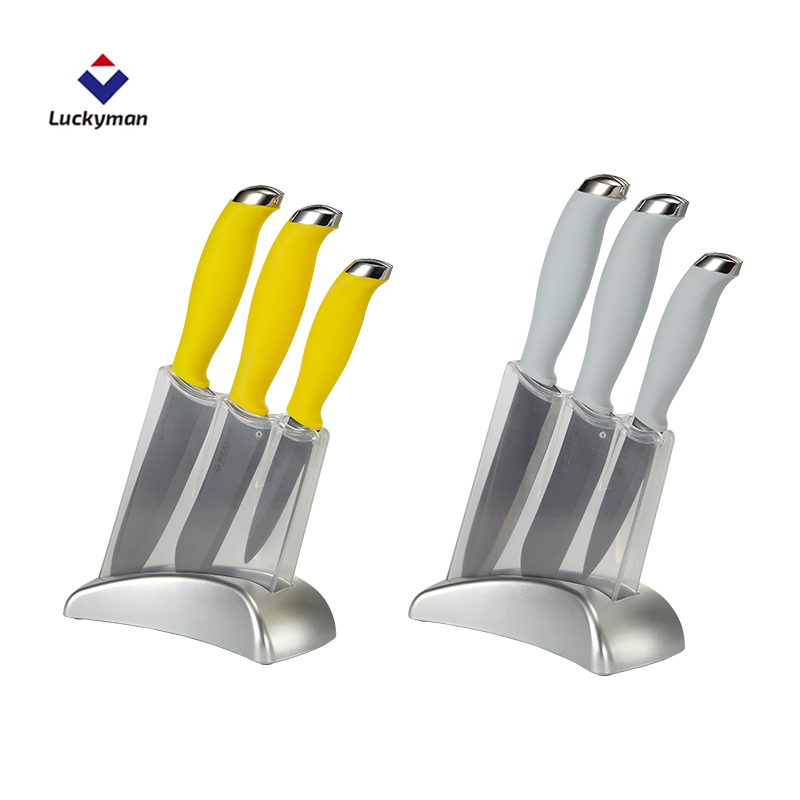
Blade finishes can be customized with satin polishing, sandblasting, or non-stick titanium coatings. Branding is typically applied via laser etching on the blade or stamping on the end cap. For the storage block, materials range from standard rubberwood and acacia to modern acrylic and magnetic walnut boards. If you are developing a new retail presentation, integrating Branding & Design support early ensures your packaging protects the blades during transit while maximizing shelf appeal.
Pricing, MOQs, and Lead Times
Volume buyers should expect pricing and minimums to scale heavily with the complexity of the set (e.g., 3-piece starter sets vs. 15-piece sets with shears and sharpening steels) and the materials used.
Ready to cost out your next production run? Let us negotiate with top-tier manufacturers to secure the best bulk pricing for your knife sets.
Get a pricing estimateFrequently Asked Questions
Successfully importing bulk knife sets requires strict oversight of metallurgy, edge geometry, and handle assembly. By partnering with a sourcing team that understands the technical nuances of cutlery manufacturing, you can eliminate quality fade and bring a superior product to market on schedule.
Get Sourcing Help for Knife Sets
Tell us your requirements and our experts will connect you with verified manufacturers.