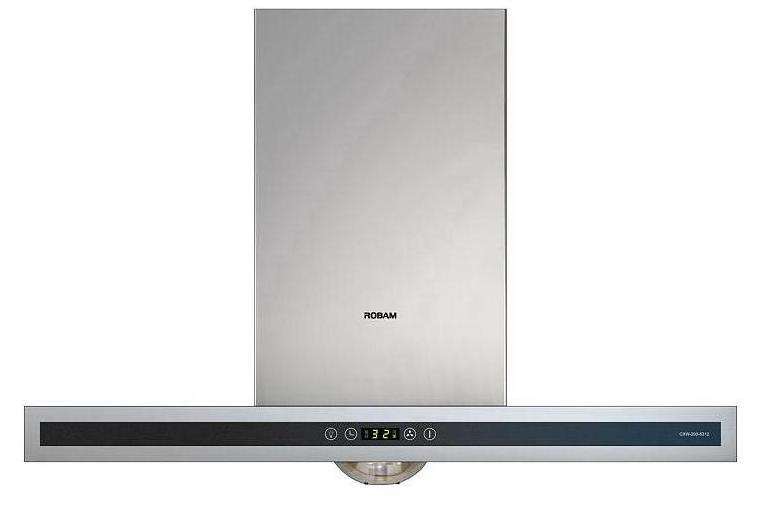
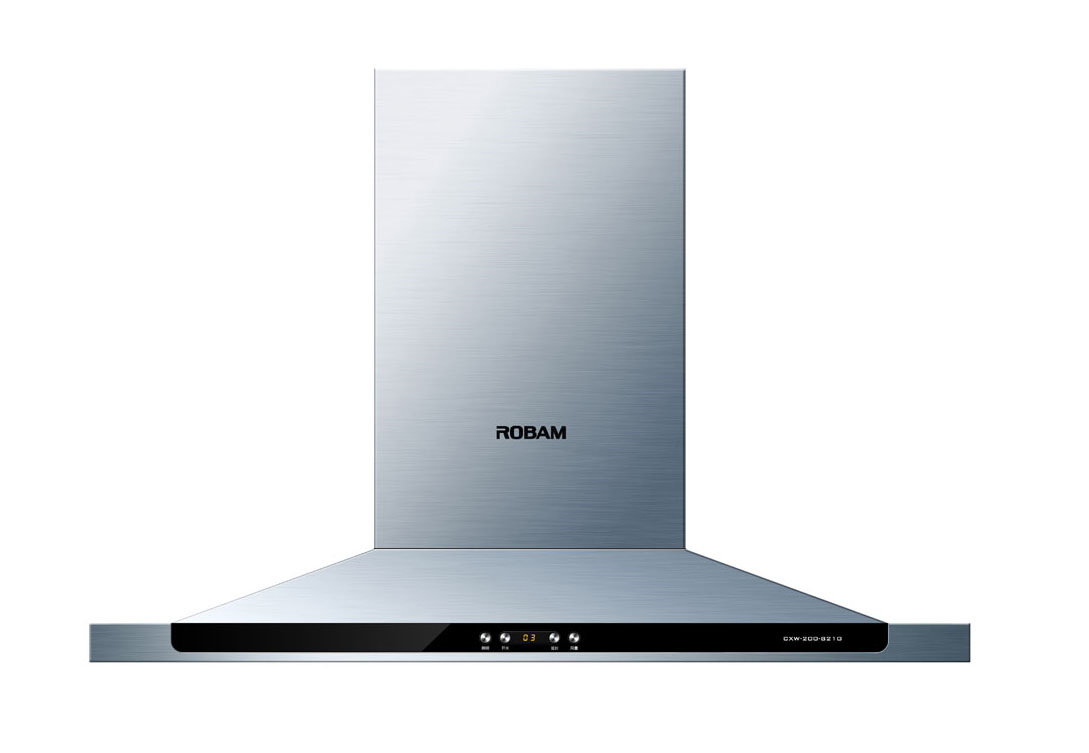
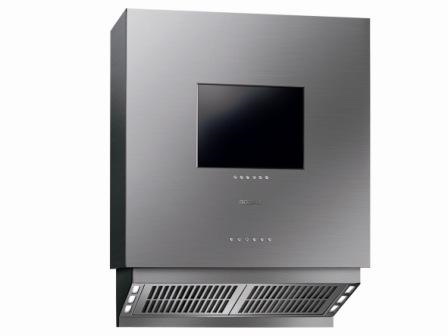
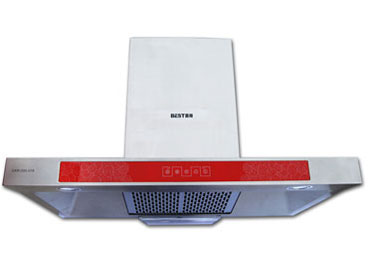
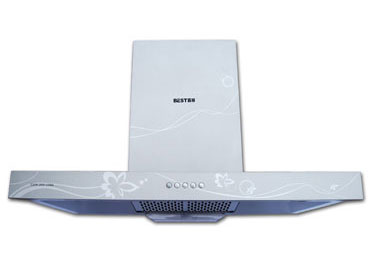
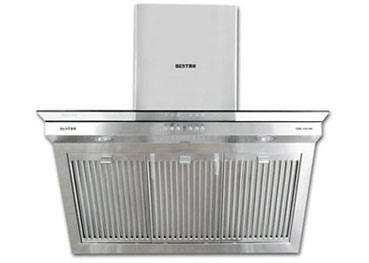
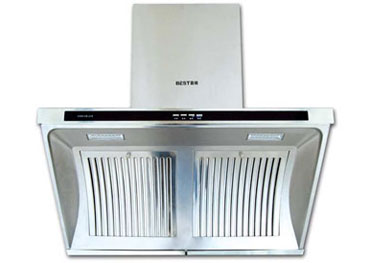
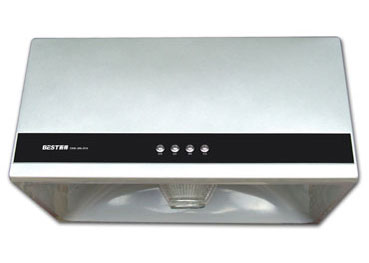
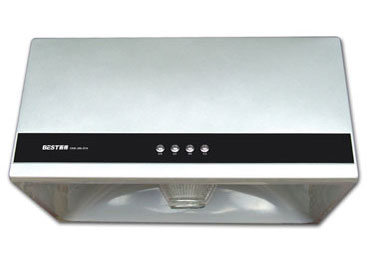
Kitchen Ventilators
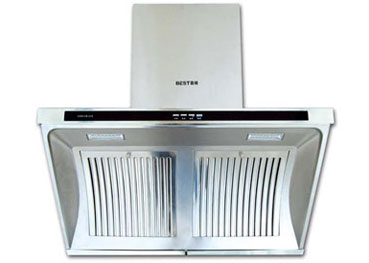
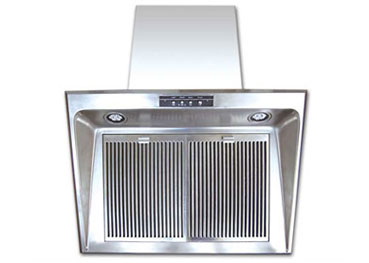
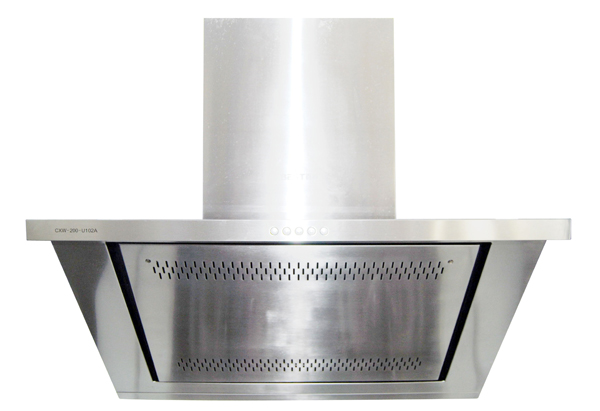
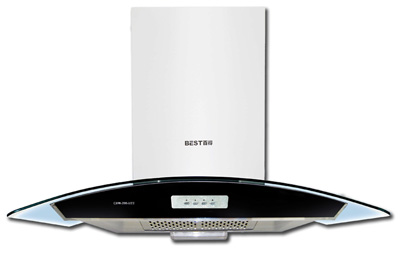
Source commercial and residential kitchen ventilators from vetted suppliers and manufacturers in China and across Asia. Designed for importers, appliance wholesalers, and brands seeking OEM or ODM production, our network delivers reliable, high-CFM ventilation solutions at competitive wholesale prices.
Sourcing kitchen ventilators at scale is a high-stakes balancing act between extraction efficiency, acoustic engineering, and strict regional safety compliance. Whether you are importing standard residential range hoods or specifying heavy-duty commercial exhaust systems, success depends on partnering with a manufacturer capable of consistent motor performance and precise sheet metal fabrication.
Core Specifications for Volume Buyers
When evaluating a factory's technical capability, the motor and housing specifications are the primary cost and performance drivers. Buyers must clearly define their requirements to avoid receiving underpowered or excessively noisy units.
Motor Technology: AC vs. BLDC
The heart of any kitchen ventilator is its motor. While traditional AC (Alternating Current) motors dominate the entry-level and mid-tier markets due to cost efficiency, BLDC (Brushless Direct Current) motors are increasingly required for premium, energy-efficient, and low-noise applications.
| Specification | Standard AC Motor | Premium BLDC Motor |
|---|---|---|
| Energy Efficiency | Standard (higher consumption) | High (up to 70% energy savings) |
| Noise Levels | Moderate to High (60+ dB) | Ultra-Low (often under 50 dB) |
| Speed Control | Fixed steps (usually 3-speed) | Infinite variable speed / smart control |
| Lifespan & Wear | Carbon brush wear over time | Brushless design extends lifespan |
Extraction Rates and Acoustics
Extraction capacity is measured in CFM (Cubic Feet per Minute) for the North American market or CMH (Cubic Meters per Hour) in Europe and Asia. A high CFM rating is meaningless if the unit generates unacceptable noise (measured in Sones or decibels). Superior manufacturers achieve high extraction with low noise by perfectly balancing the blower wheel (squirrel cage) and designing aerodynamic internal volutes.
Manufacturing Vulnerabilities and Quality Control
Kitchen ventilators require a mix of heavy mechanical stamping and sensitive electrical assembly. Defects often arise not from the core components, but from poor assembly tolerances and inadequate testing on the factory floor.
Implementing rigorous Quality Control & Inspection protocols is essential to catch these issues before shipment.
Critical Factory Inspection Checkpoints
- Blower Wheel Balancing: Unbalanced wheels cause chassis vibration and premature motor failure.
- Housing Material Thickness: Verify stainless steel gauge (e.g., 0.6mm vs 0.8mm) to prevent warping during transit or installation.
- Stainless Steel Grade: Ensure SS304 is used for premium models requiring high corrosion resistance, rather than cheaper SS430.
- Electrical Safety: Conduct Hi-Pot (High Potential) and Earth Continuity testing on 100 percent of the assembly line.
- Button/Touch Panel Cycle Testing: Verify the durability of control interfaces under simulated high-grease, high-heat conditions.
Ensure your next shipment meets all performance and safety standards with our expert on-site factory vetting and inspection services.
Talk to our teamCompliance and Market Certifications
Kitchen appliances face strict regulatory hurdles. A supplier claiming "CE compliance" must provide valid, verifiable test reports for both the LVD (Low Voltage Directive) and EMC (Electromagnetic Compatibility) directives. For North America, UL or ETL certification is non-negotiable for hardwired or plugged electrical appliances.
Because certification standards update frequently, utilizing professional Compliance & Testing services ensures your imported units will not be held at customs or rejected by major retail distributors.
Pricing, MOQs, and Lead Times
Unit costs fluctuate based on raw material prices (primarily stainless steel and copper for motor windings) and the complexity of the control boards.
For brands looking to differentiate their product lines, OEM/ODM Services allow for custom chassis designs, proprietary smart-home integrations, and bespoke baffle filter configurations. Custom tooling for a new range hood chassis typically requires an additional 30 to 45 days for mold development and testing.
Looking to develop a custom ventilation line? Let us handle the factory negotiations, tooling setup, and supply chain management.
Get a free consultationFrequently Asked Questions
Successful sourcing in the kitchen ventilation category requires looking past the polished exterior of a sample unit to scrutinize the motor engineering and assembly tolerances. By partnering with thoroughly vetted manufacturers and maintaining strict oversight throughout production, you can secure reliable appliances that build your brand's reputation for quality.
Get Sourcing Help for Kitchen Ventilators
Tell us your requirements and our experts will connect you with verified manufacturers.