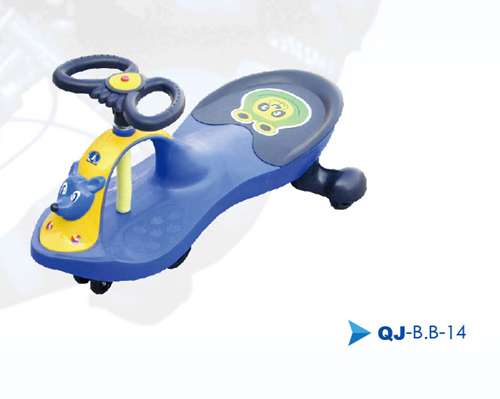
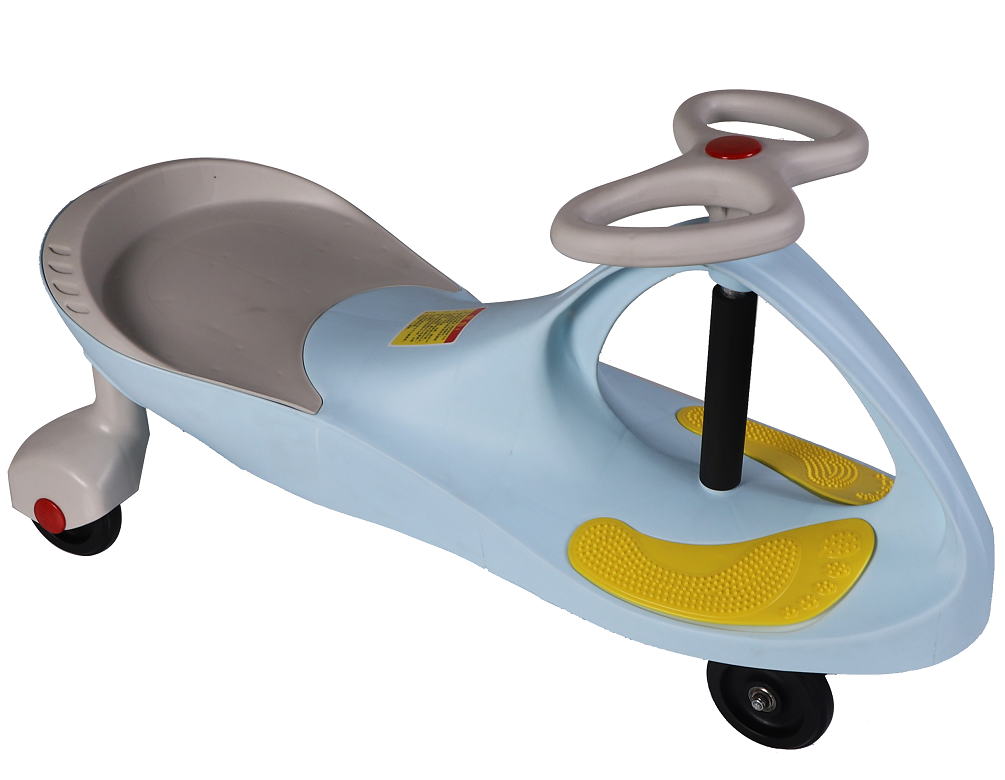
Kids' Swing Cars
Source high-quality Kids' Swing Cars from vetted manufacturers and suppliers in Asia. Built for importers, toy distributors, and brands seeking reliable wholesale purchasing or custom OEM/private-label production. Ensure strict safety compliance and consistent quality for your high-volume orders.
Kids' swing cars (often referred to as wiggle cars) operate on simple principles of physics—utilizing centrifugal force, friction, and gravity to move without batteries, gears, or pedals. Because the mechanical design is relatively uniform across the market, the true sourcing challenge lies in material selection, injection molding consistency, and the durability of load-bearing components. For volume buyers, securing a reliable supply chain means distinguishing between factories that cut corners on plastic resin and those that engineer toys capable of supporting adult weights without structural failure.
Core Specifications and Material Selection
The lifespan and performance of a swing car depend entirely on the quality of its chassis and moving parts. When negotiating with manufacturers, you must specify the exact materials for the body, wheels, and bearings, as these dictate both your unit cost and the product's market positioning.
| Component | Standard / Budget Build | Premium / OEM Build |
|---|---|---|
| Chassis & Body | Recycled PP (prone to stress fractures) | 100% Virgin High-Density PP or ABS |
| Wheels | Hard PP plastic (noisy, poor grip) | Polyurethane (PU) for smooth, quiet riding |
| Bearings | Unrated carbon steel | ABEC-7 or ABEC-9 stainless steel |
| Steering Linkage | Hollow plastic or thin-gauge steel | Solid, heavy-gauge reinforced steel |
The choice between Polypropylene (PP) and Polyurethane (PU) wheels is particularly critical. PU wheels offer superior shock absorption, operate silently on indoor floors, and provide the necessary grip for the "wiggle" motion to translate efficiently into forward momentum.
Struggling to balance material costs with durability requirements? Let our sourcing team help you identify the right component mix for your target market.
Discuss your product specsManufacturing Tolerances and Quality Control
Swing cars are primarily manufactured via plastic injection molding. The structural integrity of the car is won or lost in the cooling phase of the molding process. If a factory rushes the cycle time to increase output, the plastic can warp or suffer from internal stress, leading to brittle chassis that crack under load.
When establishing your quality control protocols, pay close attention to the steering column assembly. The linkage connecting the steering wheel to the front pivot wheels bears the brunt of the rotational torque.
Critical Pre-Shipment Inspection Points
- Weight Load Testing: Verify the chassis can support loads up to 100kg (or standard specified weight) without deformation.
- Bearing Rotation: Ensure wheels spin freely without grinding; check for proper lubrication in the ABEC bearings.
- Steering Alignment: The front pivot wheels must align perfectly with the steering wheel to ensure forward momentum.
- Flash and Sharp Edges: Inspect the injection-molded seams for plastic flash that could pose a laceration hazard to children.
- Color Fastness: Verify UV resistance if the product is marketed for outdoor use.
Safety Compliance and Testing
Toys are one of the most heavily regulated product categories globally. Importing swing cars requires strict adherence to regional safety standards. Failing to specify these requirements upfront will result in customs seizures or costly recalls.
- Mechanical Hazards: The product must pass drop tests, torque tests, and tension tests to ensure no small parts (like wheel caps) detach and become choking hazards.
- Chemical Restrictions: All plastics, paints, and decals must be tested for heavy metals (lead, cadmium) and phthalates.
To navigate these regulations, buyers must ensure their suppliers have up-to-date test reports from recognized third-party laboratories. Utilizing professional compliance testing services ensures your shipment meets EN71 (for Europe), ASTM F963, and CPSIA (for the US) standards before it leaves the factory.
Pricing Drivers, MOQs, and Lead Times
Volume pricing for swing cars is heavily influenced by the raw material index for PP/ABS plastics and the specific wheel/bearing configurations you choose. Upgrading from standard PP wheels to flashing LED PU wheels will typically add a fixed cost per unit, while upgrading the chassis to virgin ABS will fluctuate with global resin prices.
For brands looking to differentiate, OEM/ODM services allow for custom pantone color matching, proprietary decal designs, and even custom-molded steering wheels. Note that custom molds will require higher upfront tooling costs and extended lead times for the initial production run.
Need accurate pricing and lead times for your next high-volume order? Speak with our team to get realistic estimates based on current factory capacities.
Get a pricing breakdownFrequently Asked Questions
Successfully sourcing kids' swing cars requires looking past the simple exterior to evaluate the quality of the raw materials and the precision of the factory's molding process. Partnering with suppliers who maintain strict quality management systems is the only way to ensure long-term consistency. Conducting thorough factory audits before placing your first order is a critical step in verifying that your chosen manufacturer has the infrastructure to deliver safe, compliant, and durable toys at scale.
Get Sourcing Help for Kids' Swing Cars
Tell us your requirements and our experts will connect you with verified manufacturers.