Kids' Cameras
Source high-quality kids' cameras from vetted manufacturers and suppliers in China and across Asia. Designed for electronics importers, wholesale distributors, and consumer brands seeking reliable bulk purchasing and OEM/ODM private-label production.
Sourcing digital cameras for children requires balancing toy-grade durability with consumer-electronics safety standards. The core challenge for volume buyers lies in navigating the vast discrepancy between stated specifications and actual factory hardware, particularly regarding sensor resolution, battery safety, and casing materials.
Navigating Specs and Supplier Capabilities
When evaluating wholesale suppliers, the specification sheet is only a starting point. Factories often optimize for price by substituting internal components that look identical on paper but perform poorly in the field.
The Sensor Interpolation Trap
Most entry-level kids' cameras advertise 12MP, 24MP, or even 48MP resolutions. In reality, manufacturers often use low-cost CMOS sensors with native resolutions of 0.3MP (VGA) or 1.0MP, using firmware interpolation to upscale the image. While acceptable for basic toy applications, brands targeting higher price points must explicitly specify the native sensor resolution in their purchase orders.
| Specification | Budget Factory Standard | Premium OEM Standard |
|---|---|---|
| Native Sensor | 0.3MP (VGA) | 2.0MP to 5.0MP CMOS |
| Interpolated Output | Up to 24MP | Up to 48MP |
| Display Screen | 2.0-inch TN panel | 2.0 to 2.4-inch IPS panel |
| Battery Capacity | 400mAh (unbranded) | 800mAh to 1000mAh (certified) |
Navigating supplier spec sheets can be deceptive. Let our engineers verify the true hardware capabilities of your shortlisted factories before you commit.
Talk to our teamMaterial Safety and Durability
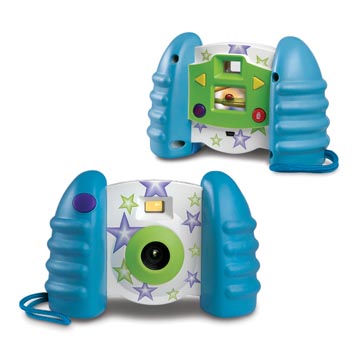
Children's electronics demand rugged builds. The standard approach uses an ABS plastic housing wrapped in a food-grade silicone bumper. However, budget suppliers frequently cut costs by using recycled ABS or non-compliant silicone blends. This not only risks failing chemical exposure tests but also compromises the device's ability to survive standard drop tests.
Screen Vulnerability
The LCD screen is the most common point of failure. Ensure your supplier's housing design includes a raised silicone bezel of at least 2mm around the screen to absorb direct frontal impacts.
Crucial Compliance and Testing Standards
Because these devices bridge the gap between electronics and toys, they must pass rigorous dual-category compliance. Failing to secure the right documentation guarantees customs seizures. Partnering with a team that manages rigorous compliance and testing ensures your shipments clear borders without friction.
Mandatory Compliance Certifications
- RoHS and CE (EMC/LVD) for electronic components.
- EN71 (Europe) or ASTM F963 / CPSIA (US) for toy safety, phthalates, and heavy metal limits.
- UN38.3 and MSDS for lithium polymer (Li-Po) battery shipping.
- FCC Part 15 for electromagnetic interference (US market).
Furthermore, implementing strict quality control and inspection during production is vital to prevent defective batteries or dead pixels from leaving the factory floor.
Production Economics: MOQs, Pricing, and OEM Customization
Pricing in this category is highly elastic. The cost per unit is driven primarily by the native sensor quality, the screen technology (TN vs. IPS), battery capacity, and the complexity of the silicone housing.
For brands looking to differentiate their product line, leveraging OEM and ODM services allows for custom silicone molds, proprietary firmware themes (custom photo frames and UI icons), and branded accessories like lanyards and carrying cases.
Ready to negotiate better terms for your next volume order? Optimize your pricing, MOQs, and production schedule.
Get a free consultationFrequently Asked Questions
Sourcing digital cameras for children requires vigilance over hidden hardware downgrades and strict adherence to dual toy-and-electronics safety standards. By defining precise native specifications and enforcing rigorous pre-shipment inspections, buyers can secure reliable, profitable inventory that delights end-users and minimizes return rates.
Get Sourcing Help for Kids' Cameras
Tell us your requirements and our experts will connect you with verified manufacturers.