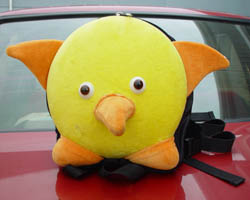
Kids' Backpacks
Source bulk Kids' Backpacks from vetted suppliers and manufacturers across Asia. Designed for importers, wholesalers, and retail brands looking for reliable OEM and private-label production. Secure competitive wholesale pricing on compliant, durable bags built for the back-to-school and travel markets.
Sourcing kids' backpacks at scale requires balancing vibrant, trend-driven designs with rigorous durability and chemical safety standards. Unlike standard adult luggage, children's bags face intense daily wear and tear, strict regulatory scrutiny regarding materials, and specific ergonomic requirements. Success in this category depends on specifying the right fabrics, managing compliance testing early, and maintaining strict oversight on the factory floor.
Material Specifications and Ergonomics
The core of any backpack lies in its fabric weight (denier) and backing material. For children's backpacks, the fabric must be lightweight yet abrasion-resistant, while the backing must provide water resistance without violating chemical safety laws.
| Material | Durability | Cost Profile | Typical Application |
|---|---|---|---|
| 300D Polyester | Moderate | Low | Preschool & Toddler Bags |
| 600D Polyester | High | Medium | Standard Elementary School Bags |
| Nylon (210D-420D) | Very High | Premium | High-end & Outdoor Kids' Bags |
| Neoprene | Moderate | High | Novelty & 3D Toddler Bags |
When specifying materials, pay close attention to the fabric coating. While PVC backing is cheap and provides excellent water resistance, it frequently fails phthalate testing for children's products. Always specify PU (Polyurethane) or PE (Polyethylene) backing for kids' bags to ensure regulatory compliance.
Beyond the shell, ergonomics dictate user satisfaction. Shoulder straps should utilize EVA foam (typically 5mm to 8mm thickness) rather than standard EPE foam, which compresses and loses its shape over time.
Struggling to balance premium materials with target wholesale pricing? Let our sourcing experts review your tech pack.
Talk to our teamChemical Compliance and Safety Standards
Children's backpacks are heavily regulated in major western markets. A failure at customs due to non-compliance can result in total inventory loss. You must ensure your manufacturer understands and adheres to the specific regulations of your target market, and it is highly recommended to utilize independent Compliance & Testing services before mass production finishes.
Critical Testing Areas for Kids' Bags
Advantages
- Total Lead Content: Must be under 100 ppm for accessible substrates (CPSIA).
- Phthalates: Must be under 0.1 percent for regulated phthalates in plasticized parts.
- Small Parts: Zipper pulls and decorative elements must pass tension tests (typically 90N) to prevent choking hazards.
Disadvantages
- Drawstrings: Cords around the neck or hood area are strictly prohibited or heavily restricted in many regions.
- Sharp Edges: Internal wire frames or stiffeners must be capped and securely padded.
Manufacturing Quality Control
The primary failure points in kids' backpacks are the shoulder strap joints, top handles, and zippers. These areas bear the brunt of the load and require specific manufacturing techniques. Standard straight stitching is insufficient for load-bearing joints.
When conducting Quality Control & Inspection, your inspectors must verify the following on the factory floor:
Factory-Floor Inspection Checklist
- Bar-tacking: Ensure heavy-duty bar-tack stitching at the base of shoulder straps and top carry handles.
- Seam Allowance: Verify a minimum of 8mm to 10mm seam allowance on internal binding to prevent fraying under tension.
- Zipper Quality: Check that SBS or YKK zippers are used, and conduct 500-cycle zip tests on random samples.
- Needle Detection: Mandate 100 percent pass rates through a 9-point metal needle detector before packaging.
To ensure the factory is capable of maintaining these standards before you place a deposit, conducting thorough Factory Audits is a necessary step to verify their machinery, workforce experience, and internal QMS (Quality Management System).
Pricing, MOQs, and Lead Times
Bag manufacturing is highly labor-intensive, meaning production capacity and labor costs dictate pricing and lead times. Most reliable suppliers in major hubs like Quanzhou, Baigou, or Guangzhou operate with standard minimums to justify fabric dyeing and cutting runs.
Pricing is heavily influenced by the complexity of the design (number of pockets, 3D elements, custom zipper pulls) and the printing method. Sublimation printing is cost-effective for all-over polyester prints, while silk-screen or rubber badges add per-unit labor costs. If you are developing unique designs, utilizing dedicated OEM/ODM Services ensures your intellectual property is protected and the final product matches your initial tech pack.
Ready to scale your backpack production? We handle supplier vetting, price negotiation, and full-scale quality control.
Get a free consultationFrequently Asked Questions
Sourcing children's backpacks requires a proactive approach to material safety and structural integrity. By specifying the exact fabric backing, enforcing bar-tack stitching on stress points, and running independent lab tests early, you can avoid costly compliance failures and build a product that parents trust.
Get Sourcing Help for Kids' Backpacks
Tell us your requirements and our experts will connect you with verified manufacturers.