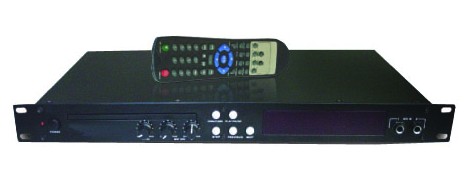
Karaoke Players
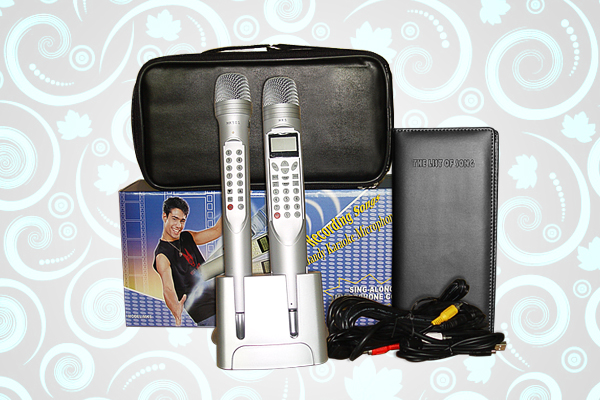
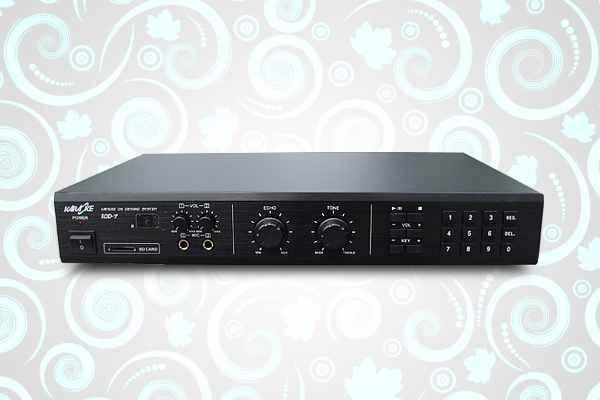
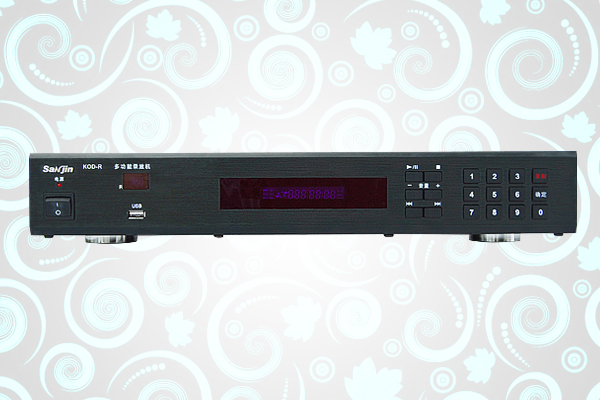
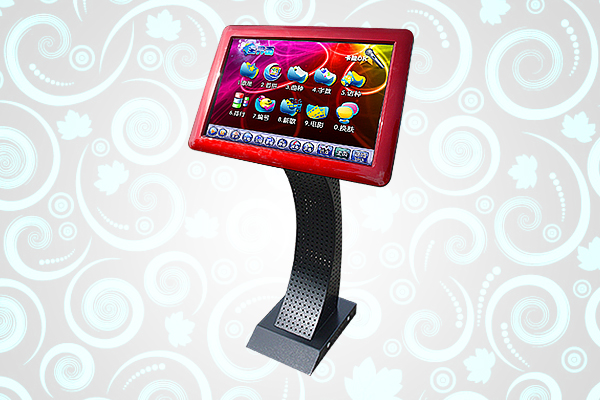
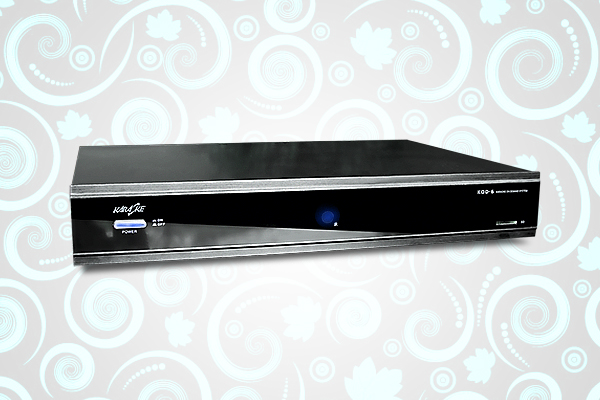
Source high-quality karaoke players from vetted suppliers and manufacturers across Asia. Designed for electronics importers, regional distributors, and audio brands seeking reliable OEM or private-label production, our network delivers scalable manufacturing solutions for both commercial and consumer audio equipment.
Sourcing karaoke players at scale means navigating a complex intersection of acoustic engineering, wireless transmission protocols, and digital signal processing (DSP). Because these units combine amplification, vocal processing, and wireless microphone integration into a single chassis, component selection and assembly precision directly dictate the final product's performance and failure rate.
Critical Specifications for Bulk Sourcing
When evaluating factory prototypes or specifying an OEM build, the internal architecture matters far more than the external housing. Buyers must define clear tolerances for audio fidelity and wireless stability.
- Digital Signal Processing (DSP): The DSP chip handles echo, reverb, and vocal equalization. Specify a high-resolution DSP to prevent latency between the microphone input and speaker output. Total Harmonic Distortion (THD) should be kept under 0.5 percent, and the Signal-to-Noise Ratio (SNR) should be 90dB or higher for clear vocal reproduction.
- Wireless Microphone Protocols: Avoid legacy VHF (Very High Frequency) systems, which are highly susceptible to interference. Specify UHF (Ultra High Frequency) modules with multi-channel PLL (Phase-Locked Loop) synthesis. This allows users to switch frequencies if local interference occurs.
- Connectivity and I/O: Modern units require Bluetooth 5.0 or newer for stable streaming, alongside physical interfaces like HDMI ARC, Optical (TOSLINK), and Coaxial inputs for seamless smart TV integration.
Need help auditing a factory's technical capabilities before placing a volume order?
Talk to our teamManufacturing Tolerances and Quality Control
Karaoke players are prone to specific manufacturing defects if the factory lacks rigorous in-line testing. Poor PCB assembly or inadequate acoustic isolation can ruin an otherwise well-specced unit.
Key Quality Control Checkpoints
- SMT (Surface-Mount Technology) inspection for DSP and amplifier IC soldering integrity.
- Acoustic chamber sealing to prevent internal resonance and chassis rattling at high volumes.
- UHF frequency pairing stability testing in high-interference environments.
- Battery charge/discharge cycling and thermal monitoring for portable, battery-powered units.
If you are sourcing portable units with built-in lithium-ion batteries, thermal management is a major safety liability. Implementing strict Quality Control & Inspection during assembly ensures that battery management systems (BMS) are functioning correctly before the units are sealed. Furthermore, because these devices transmit wirelessly and connect to mains power, they require rigorous Compliance & Testing to meet FCC, CE, and RoHS standards.
| Specification | Standard Consumer Units | Premium / Commercial Units |
|---|---|---|
| Amplifier Class | Class D (Cost-effective, efficient) | Class AB or High-End Class D |
| Microphone Sync | Fixed UHF Frequency | Adjustable PLL UHF (100+ channels) |
| Enclosure Material | Injection-molded ABS plastic | MDF wood or extruded aluminum |
| Vocal Processing | Basic analog echo | Multi-band digital DSP with pitch correction |
Customization and OEM/ODM Production
Most buyers opt for OEM/ODM Services to differentiate their product lines. Using a factory's existing "public mold" (white-labeling) is the fastest route to market. The factory modifies the DSP tuning, applies your branding, and customizes the packaging.
Developing a custom chassis requires opening new injection molds. While this provides total market exclusivity, it significantly increases upfront tooling costs and extends the initial lead time by 30 to 45 days.
MOQs, Lead Times, and Pricing Dynamics
Pricing for karaoke players is highly elastic, driven primarily by the wattage of the amplifier, the quality of the wireless microphone capsules, and battery capacity (for portable models).
Component shortages, particularly for specialized DSP chips and high-capacity lithium cells, can cause sudden fluctuations in both pricing and lead times. Securing a reliable supply chain requires locking in BOM (Bill of Materials) costs early in the negotiation phase.
Ready to optimize your supply chain and negotiate better terms with audio manufacturers?
Get a free consultationFrequently Asked Questions
Successfully sourcing karaoke players requires more than just finding a factory that can assemble electronics. It demands careful component specification, strict adherence to wireless regulations, and rigorous quality oversight on the assembly line to ensure the final product delivers reliable, distortion-free performance.
Get Sourcing Help for Karaoke Players
Tell us your requirements and our experts will connect you with verified manufacturers.