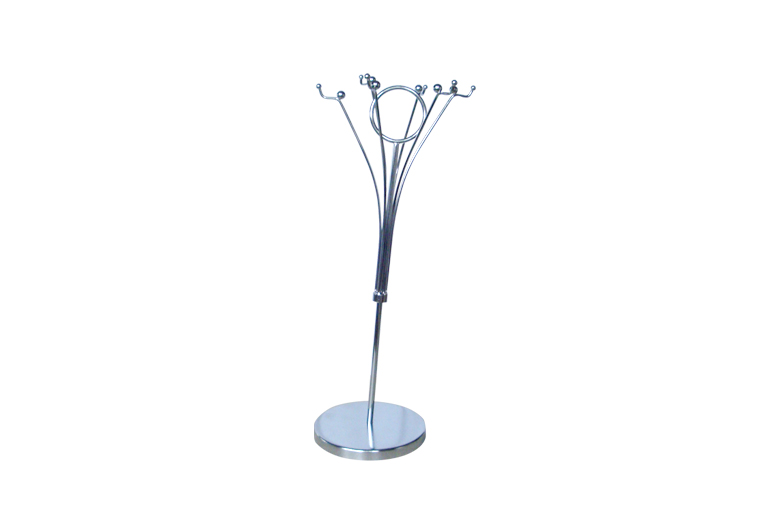
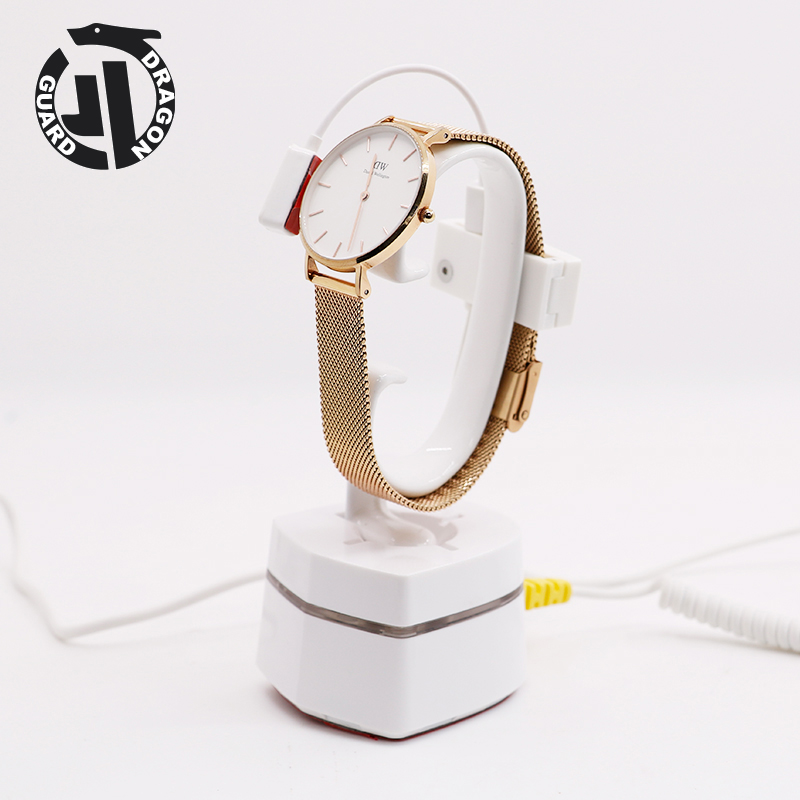
Jewelry Display Accessories
Source premium Jewelry Display Accessories from vetted suppliers and manufacturers in China and across Asia. Designed for importers, wholesale distributors, and retail brands requiring bulk OEM and private-label production. Secure reliable manufacturing partners for high-volume, commercial-grade display components.
Sourcing commercial-grade jewelry display accessories—such as modular pegs, magnetic clips, riser bases, specialized hooks, and branding plaques—requires strict attention to material tolerances and finish durability. Because these components interact directly with high-value merchandise and often dictate the flexibility of a retail environment, inconsistent plating, brittle acrylics, or poor dimensional accuracy can compromise the entire visual merchandising strategy.
Material Specifications and Manufacturing Processes
The base material and manufacturing method dictate both the unit cost and the longevity of the accessory in a high-traffic retail environment.
Metal Components
Metal accessories are typically manufactured via die-casting, stamping, or CNC machining, depending on the complexity of the part.
- Zinc Alloy: Highly cost-effective for complex, 3D shapes (like custom-branded clips or articulated joints) due to its excellent flow characteristics during die-casting.
- Stainless Steel (304/316): Preferred for high-end environments. It offers superior corrosion resistance and is the ideal substrate for Physical Vapor Deposition (PVD) coating, which yields an exceptionally durable, scratch-resistant finish.
- Brass: Often used for premium, low-volume accessories. Brass provides excellent adhesion for traditional gold and silver electroplating.
Polymer and Acrylic Components
For transparent or lightweight accessories, the choice of polymer and the polishing method are critical.
- Cast Acrylic: Far superior to extruded acrylic for optical clarity. Edges must be diamond-polished or flame-polished to remove machining marks and ensure a glass-like finish.
- Polycarbonate (PC): Used for injection-molded clips or structural bases where impact resistance is more important than perfect optical clarity.
| Material | Common Application | Tooling Cost | Optimal Finish |
|---|---|---|---|
| Zinc Alloy | Custom clips, heavy bases | Moderate | Electroplating, Powder Coat |
| 304 Stainless | Premium pegs, structural rods | High | PVD Coating, Brushed |
| Cast Acrylic | Transparent risers, blocks | Low (CNC) | Diamond Polished |
| Polycarbonate | High-volume injection molded hooks | High | Molded-in Color |
Need help matching materials to your target price point and durability requirements?
Talk to our teamQuality Control and Common Defects
Defects in jewelry display accessories often manifest in the finishing stages rather than the structural forming. When executing Quality Control & Inspection, inspectors must focus on surface-level integrity and modular compatibility.
Critical Inspection Points for Display Accessories
- Plating Adhesion: Conduct cross-hatch tape tests to ensure electroplating or PVD coatings do not flake under stress.
- Dimensional Tolerances: Verify that modular pegs and clips fit securely into standard backboards or slotted systems without excessive play.
- Acrylic Crazing: Check for micro-fractures (crazing) around drilled holes or bent edges, which indicate improper annealing.
- Flocking Quality: For velvet-lined or flocked accessories, verify fiber density and ensure adhesive off-gassing is fully complete before packing.
- Weld Integrity: Inspect spot welds on wire accessories for clean joints and adequate strength under load.
OEM Customization and Tooling
For brands developing proprietary display systems, custom tooling is unavoidable. Injection molding for plastics and die-casting for metals require substantial upfront investment in steel molds. When engaging suppliers for OEM/ODM Services, clarify mold ownership terms early. Ensure the factory provides 3D CAD files and physical prototypes (often CNC machined or 3D printed) for fit-testing before authorizing mass production tooling.
Buying Mechanics: MOQ, Pricing, and Lead Times
Volume requirements and production timelines vary heavily based on whether you are buying off-the-shelf components or commissioning custom-tooled accessories. Partnering with verified suppliers through rigorous Factory Audits ensures your tooling investments are protected and production schedules are realistic.
Optimize your supply chain and negotiate better terms with verified accessory manufacturers.
Get a free consultationFrequently Asked Questions
Successfully sourcing jewelry display accessories in bulk requires balancing aesthetic perfection with mechanical durability and strict cost controls. By validating factory capabilities and maintaining rigorous quality standards, buyers can secure components that elevate their retail environments without inflating their merchandising budgets.
Get Sourcing Help for Jewelry Display Accessories
Tell us your requirements and our experts will connect you with verified manufacturers.