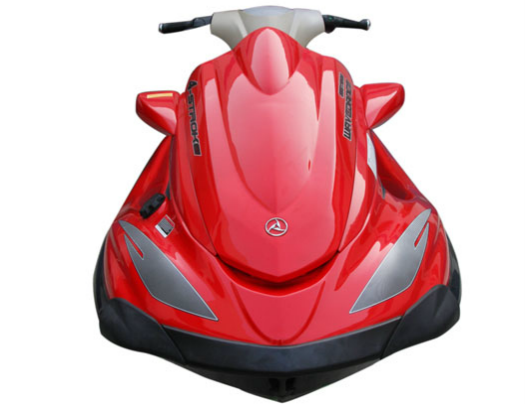
Jet Skis
Source high-performance jet skis directly from vetted manufacturers and wholesale suppliers. Designed for importers, distributors, and brands seeking reliable OEM production, our network delivers bulk personal watercraft built to stringent international safety, durability, and emissions standards.
Sourcing personal watercraft (PWC) at volume demands strict oversight of marine powertrain integration, hydrodynamic hull molding, and global emissions compliance. For commercial buyers and OEM brands, success hinges on partnering with manufacturers capable of delivering consistent performance, durable materials, and regulatory adherence across every production run.
Hull Construction: Materials and Fabrication
The structural integrity and handling characteristics of a jet ski are dictated by its hull material and manufacturing process. When negotiating with factories, your choice of material will heavily influence tooling costs, unit pricing, and production scalability.
| Material | Tooling Cost | Production Speed | Best For |
|---|---|---|---|
| FRP (Fiberglass Reinforced Plastic) | Low to Medium | Manual / Slower | Custom builds, lower MOQs, specialized models |
| SMC (Sheet Molding Compound) | High | Automated / Fast | High-volume OEM production, consistent weight distribution |
| Polytec / High-Density Plastics | Very High | Automated / Very Fast | Entry-level models, lightweight recreational units |
While FRP remains common for its accessibility and lower barrier to entry regarding mold costs, SMC is the standard for high-volume commercial production due to its superior finish consistency and rapid cycle times.
Powertrain and Propulsion Specifications
Many PWC manufacturers specialize in hull fabrication and assembly, sourcing their marine engines from dedicated powertrain suppliers. It is critical to specify exact engine requirements, as this dictates the craft's compliance in your target market.
Modern commercial jet skis almost exclusively utilize 4-stroke engines (naturally aspirated or supercharged) to meet modern environmental regulations.
Critical Powertrain Specifications to Define
- Cooling System: Closed-loop cooling (standard for saltwater durability) vs. open-loop systems.
- Jet Pump Architecture: Axial-flow pumps with stainless steel impellers and replaceable wear rings.
- Displacement and Output: Typically ranging from 900cc (entry-level) up to 1800cc+ (performance).
- ECU and Electronics: Marine-grade, fully potted Electronic Control Units with IP67 or higher waterproof ratings.
Need help auditing a manufacturer's engine supply chain and assembly capabilities? Let's discuss your project requirements.
Talk to our teamQuality Control and Market Compliance
A jet ski is a high-liability product operating in harsh marine environments. Defects in hull sealing, electrical harnesses, or fuel delivery systems can result in catastrophic failure. Strict oversight on the factory floor is non-negotiable.
Factories must execute comprehensive end-of-line testing. This includes dynamometer (dyno) testing for the engine, water tank testing to verify hull integrity and jet pump operation, and rigorous electrical system checks. Implementing independent Quality Control & Inspection prior to container loading ensures these tests are actually performed and documented, rather than just rubber-stamped.
Furthermore, importing personal watercraft requires strict adherence to regional regulations. In the US, engines must possess EPA and CARB certifications. In Europe, the craft must meet the Recreational Craft Directive (RCD) for CE marking. Navigating these requirements often requires dedicated Compliance & Testing to ensure your shipment isn't rejected at customs.
Sourcing Realities: MOQ, Lead Times, and Freight
Jet skis are bulky, high-value items, making logistics and order volume critical components of your landed cost. Production lead times are often dictated by the availability of the engines rather than the hull molding process.
Because of their awkward dimensions, efficient container utilization is paramount. Manufacturers typically ship units in custom steel or reinforced wooden crates designed to be stacked two-high inside a standard High Cube container. Optimizing this packing arrangement through experienced Shipping & Freight management is essential to keeping per-unit freight costs viable.
Looking to optimize your landed costs and streamline container packing for your next PWC order? We can manage the logistics end-to-end.
Get a free consultationFrequently Asked Questions
Sourcing personal watercraft requires balancing high-performance engineering with rigorous safety and environmental compliance. By thoroughly vetting your manufacturer's supply chain—from the engine block to the final hull seal—you can build a reliable, profitable PWC program.
Get Sourcing Help for Jet Skis
Tell us your requirements and our experts will connect you with verified manufacturers.