Iron Wire Mesh
Source premium iron wire mesh directly from vetted manufacturers and wholesale suppliers. Engineered for importers, industrial distributors, and brands requiring reliable OEM and private-label production, our network delivers consistent quality, precise specifications, and competitive bulk pricing.
Procuring iron wire mesh in commercial volumes requires tight control over metallurgical specifications, weaving or welding tolerances, and surface treatments. Minor deviations in wire drawing or galvanization can lead to premature corrosion, structural weakness, or sizing inconsistencies that disrupt downstream manufacturing or construction applications. Success in sourcing this commodity relies on clearly defining technical requirements and partnering with factories capable of maintaining strict quality assurance across high-volume production runs.
Key Specifications for Bulk Procurement
When negotiating with manufacturers, vague specifications invite cost-cutting. Ensure your purchase orders clearly define the following parameters.
Wire Gauge and Mesh Count
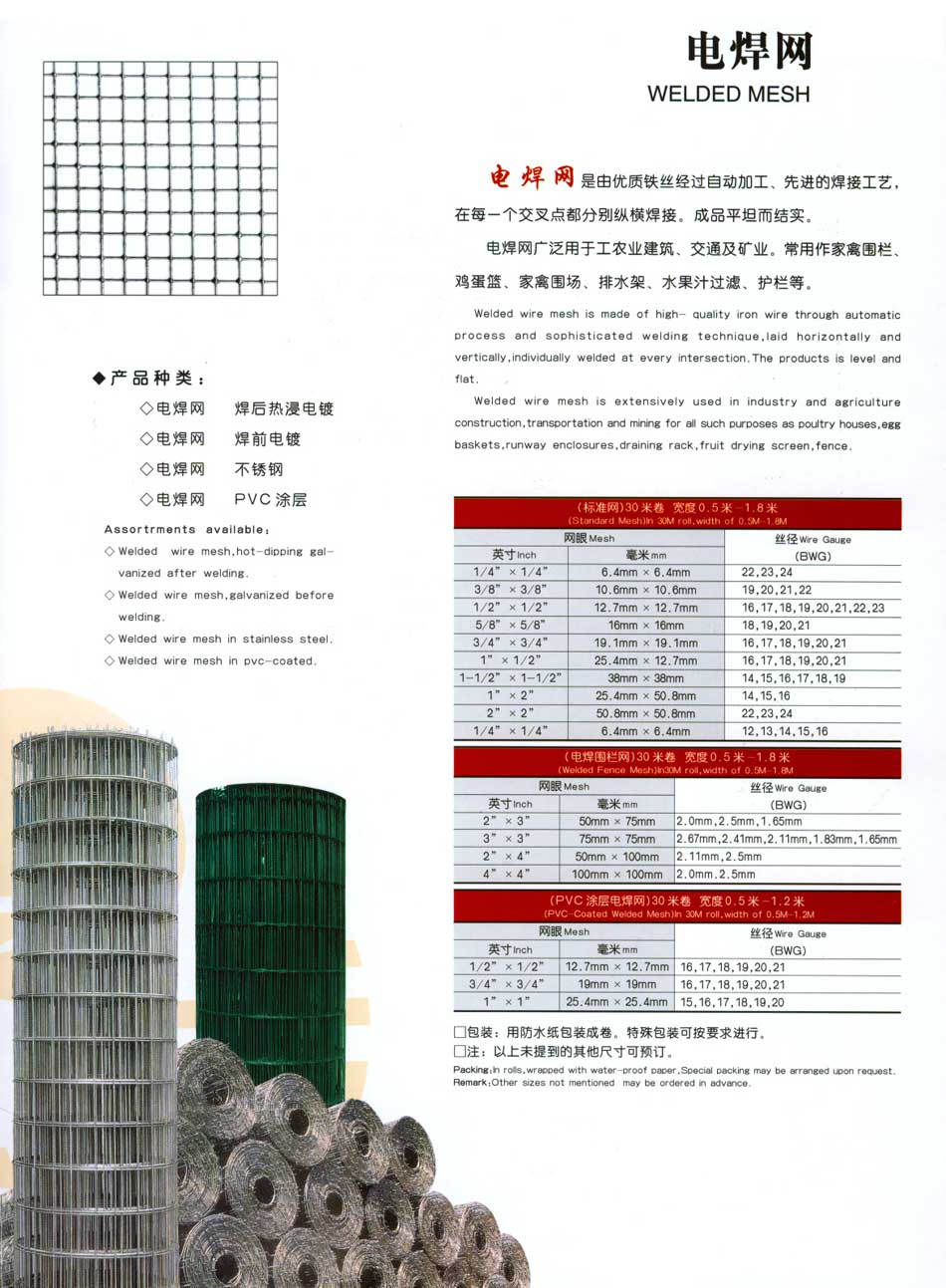
The foundation of iron wire mesh quality lies in the raw wire rod and the drawing process. Specifications must explicitly state the wire diameter, typically measured in BWG (Birmingham Wire Gauge) or AWG (American Wire Gauge), alongside acceptable tolerance ranges (e.g., plus or minus 0.05mm).
Mesh count—the number of openings per linear inch—determines the material's filtration, screening, or structural capability. Factories must calibrate their weaving looms or automated welding machines to maintain consistent aperture sizes. If you require non-standard roll widths or custom aperture configurations, leveraging OEM/ODM Services ensures the factory configures their machinery specifically for your production run.
Surface Treatments and Coating Weights
Raw iron wire mesh is highly susceptible to oxidation. The method of galvanization drastically impacts both the price and the lifespan of the product.
| Specification | Electro-Galvanized | Hot-Dipped Galvanized |
|---|---|---|
| Coating Process | Cold electrolytic deposition | Submersion in molten zinc |
| Zinc Coating Weight | Typically 8 to 15 g/m2 | Typically 40 to 200+ g/m2 |
| Corrosion Resistance | Moderate; suitable for dry/indoor use | High; ideal for outdoor/industrial use |
| Cost Profile | Lower production cost | Higher material and energy cost |
Need help verifying if a factory's galvanization capabilities match your durability requirements? Let our sourcing experts evaluate their production lines.
Talk to our teamFactory Floor Realities: Quality Control
The gap between a golden sample and a bulk shipment is where many procurement strategies fail. In wire mesh production, inconsistencies often stem from poorly maintained welding electrodes, inconsistent wire tension during weaving, or rushed galvanization baths.
Before committing to a high-volume supplier, rigorous Factory Audits are essential to verify their machinery maintenance schedules and raw material sourcing (e.g., checking mill test certificates for the iron rods).
During production, implement strict Quality Control & Inspection protocols. Your inspection checklist should cover:
Critical Pre-Shipment Inspection Points
- Wire diameter verification using digital micrometers to ensure tolerances are met.
- Aperture size consistency checks across the center and edges of the roll.
- Weld shear strength testing (for welded mesh) to identify weak joints.
- Zinc coating thickness measurement using magnetic gauges (for galvanized mesh).
- Roll weight verification to detect 'short-weighting' or undersized wire.
- Visual inspection for edge finishing, burrs, and uniform roll winding.
MOQs, Lead Times, and Pricing Drivers
Pricing for iron wire mesh is highly volatile, driven primarily by global steel index prices, zinc commodity costs, and currency fluctuations. Factories typically quote based on weight rather than area, making roll weight the ultimate metric for cost and shipping calculations.
Because wire mesh is heavy and dense, freight costs make up a significant portion of the landed unit cost. Efficient packing—such as compressing rolls or carefully palletizing flat panels—is critical to maximizing container space.
Struggling to lock in stable pricing amidst fluctuating steel costs? We can help you negotiate index-linked contracts and secure favorable terms.
Get a free consultationFrequently Asked Questions
Navigating the procurement of iron wire mesh requires vigilance from raw material selection through to final container loading. By holding suppliers to strict, measurable specifications and implementing robust on-site inspections, buyers can eliminate defects and stabilize their supply chain. If you require experienced feet on the ground to manage supplier vetting, quality assurance, and logistics, our team is ready to support your procurement strategy.
Get Sourcing Help for Iron Wire Mesh
Tell us your requirements and our experts will connect you with verified manufacturers.