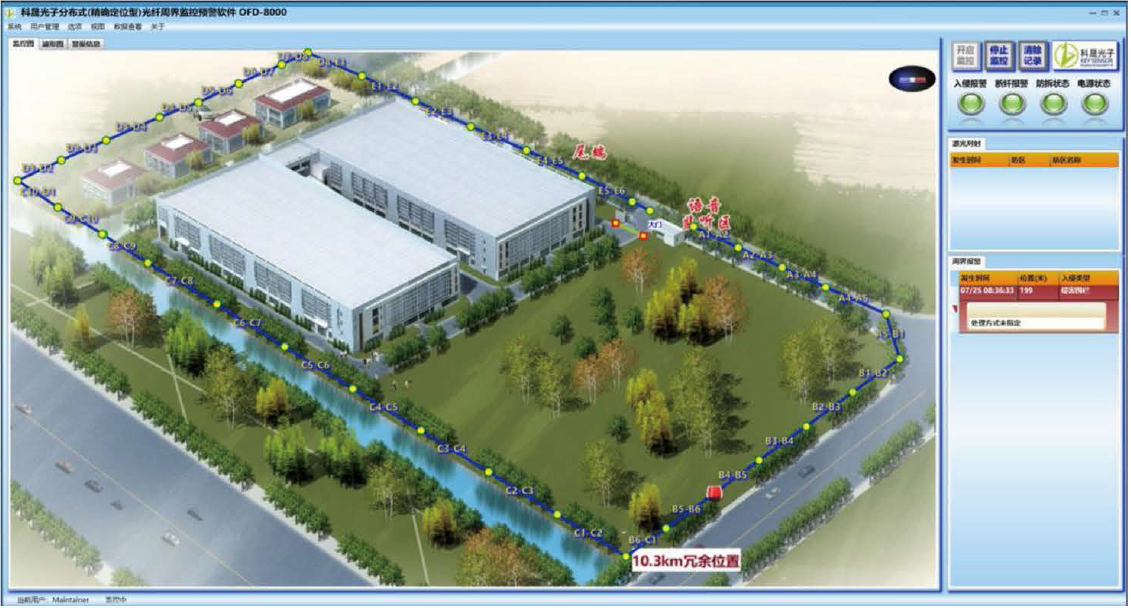
Intruder and Burglary Detection and Alarm Equipment
Source commercial-grade intruder and burglary detection and alarm equipment from vetted manufacturers and wholesale suppliers. Built for security distributors, system integrators, and brands seeking OEM/ODM production, our factory-direct network delivers reliable, compliant alarm systems at scale.
Sourcing professional intruder and burglary detection equipment requires balancing extreme sensor sensitivity with rigorous false-alarm immunity. For bulk buyers and system integrators, the margin for error is zero. A batch of poorly calibrated passive infrared (PIR) sensors or unstable control panels can lead to costly truck rolls, damaged brand reputation, and lost monitoring contracts. Successfully importing these systems from Asian manufacturers demands strict oversight of component selection, PCB assembly, and firmware stability.
Core Specifications and Sensor Technologies
The foundation of any reliable intrusion system lies in the quality of its detection components. When specifying requirements with a manufacturer, you must define the exact sensor architecture and communication protocols.
| Technology Type | Detection Method | Best Application |
|---|---|---|
| Standard PIR | Thermal signature changes | Residential, low-risk commercial |
| Microwave (MW) | Doppler shift / motion | Harsh environments, high heat |
| Dual-Tech (PIR + MW) | Requires both triggers | High-security, low false-alarm needs |
| Seismic / Shock | Vibration frequencies | Vaults, ATMs, structural perimeters |
Beyond the physical sensors, communication protocols dictate the system's integration capabilities. Specify whether your market requires hardwired (EOL resistor supervised) zones, or wireless protocols like Zigbee, Z-Wave, or proprietary Sub-1GHz RF (e.g., 433MHz or 868MHz). Proprietary RF often provides better range and battery life but requires custom firmware development during the OEM/ODM Services phase.
Manufacturing and Quality Control Checkpoints
In security hardware manufacturing, quality is won or lost on the PCB assembly line and during environmental stress testing. Cheap sensors (often utilizing unbranded pyroelectric elements) drift over time, causing false alarms.
Factory-Floor Quality Checkpoints
- Component Verification: Ensure the use of tier-one pyroelectric sensors (e.g., Excelitas or Murata).
- Conformal Coating: PCBs must be coated to protect against humidity and insect ingress, a major cause of false alarms.
- Burn-in Testing: Minimum 48-hour burn-in at elevated temperatures to catch early silicon failures.
- Optical Chamber Sealing: Lenses and sensor chambers must be sealed against drafts and microscopic dust.
- Tamper Switch Calibration: Microswitches for wall and cover tampers must trigger reliably without structural binding.
Implementing independent Quality Control & Inspection before shipment is critical to ensure that false-alarm algorithms and RF signal strengths meet your approved golden sample's baseline.
Are false alarms hurting your margins? Let's implement a factory-level testing protocol for your next production run.
Discuss your QA requirementsRegulatory Compliance and Standards
Security equipment is heavily regulated. Depending on your target market, the hardware must pass specific laboratory tests. In Europe, the EN 50131 standard dictates grading (Grade 1 to Grade 4) based on the risk profile and required tamper resistance. In North America, UL 639 (for intrusion detection units) and UL 1023 (household burglar alarm system units) are the benchmarks.
Compliance Verification
Do not accept a manufacturer's "CE" or "FCC" mark at face value. Always request the full test reports from an accredited third-party lab. If you are modifying the enclosure or antenna during private labeling, you will likely need to undergo Compliance & Testing to recertify the device under your brand.
Typical MOQs, Pricing, and Lead Times
Pricing for intrusion equipment is highly dependent on the sensor array, the processing power required for false-alarm algorithms, and the communication module.
Note: Global chip shortages can sporadically affect lead times for specific RF microcontrollers. Locking in your MCU supply chain early is highly recommended.
Need reliable suppliers for commercial-grade alarm systems? We can negotiate terms and secure production capacity on your behalf.
Get a sourcing quoteBuyer FAQ
Sourcing intrusion and burglary detection equipment is a technical procurement challenge where component quality directly impacts field performance. By conducting thorough Factory Audits and enforcing strict quality control protocols, you can secure reliable, high-margin security hardware that meets the demands of professional installers.
Get Sourcing Help for Intruder and Burglary Detection and Alarm Equipment
Tell us your requirements and our experts will connect you with verified manufacturers.