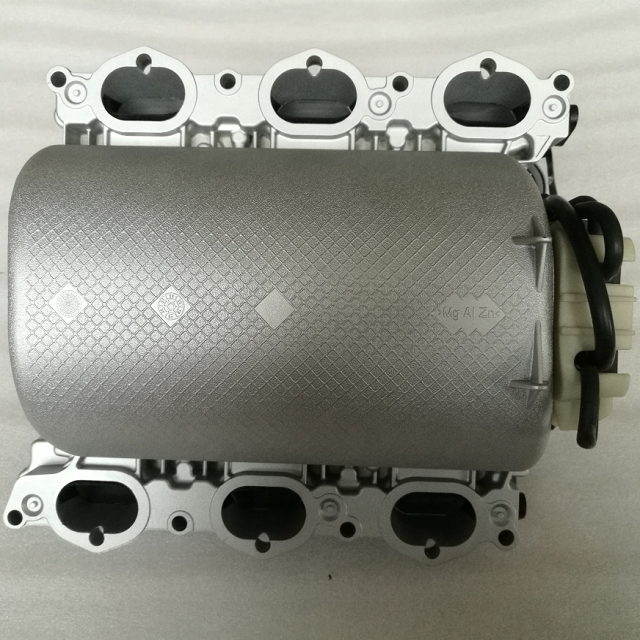
Intake Manifolds
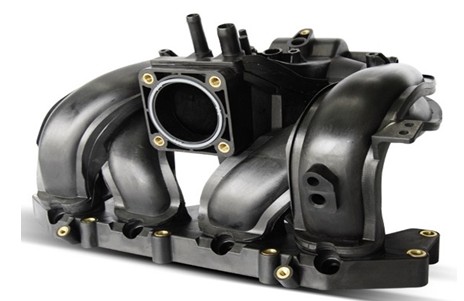
Source high-quality intake manifolds from vetted manufacturers and wholesale suppliers. Designed for automotive parts importers, distributors, and brands seeking reliable OEM or aftermarket production, our network delivers precision-engineered aluminum and reinforced plastic manifolds in bulk.
Sourcing automotive intake manifolds at scale requires balancing competitive unit costs with a zero-tolerance policy for vacuum leaks, warpage, and poor volumetric efficiency. Whether you are procuring lightweight nylon composites for modern replacement markets or cast aluminum for high-performance aftermarket applications, the primary sourcing challenge lies in verifying the manufacturer's tooling precision and joining technologies.
Material Specifications and Manufacturing Processes
The choice of material dictates the entire supply chain profile, from tooling investment to the specific quality control checkpoints required on the factory floor.
| Material Specification | Primary Manufacturing Process | Critical Sourcing Challenge |
|---|---|---|
| Nylon 66 (PA66 + 30-35% GF) | Injection molding followed by vibration welding | Weld seam integrity; burst pressure tolerance |
| Cast Aluminum | Die casting or gravity sand casting | Porosity control; internal runner surface finish |
| Sheet Metal / Fabricated | TIG welding, CNC machining (billet flanges) | Weld consistency; flange flatness post-welding |
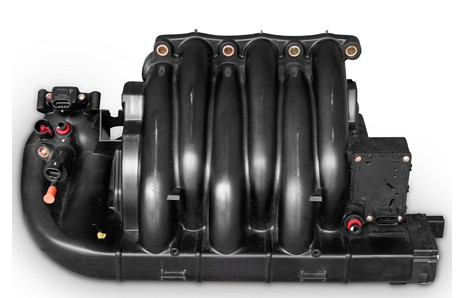
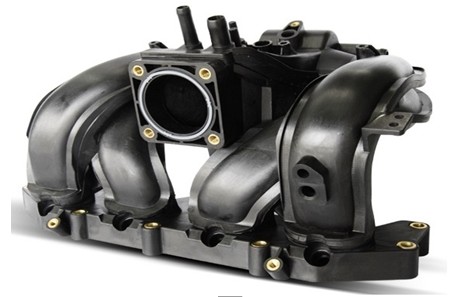
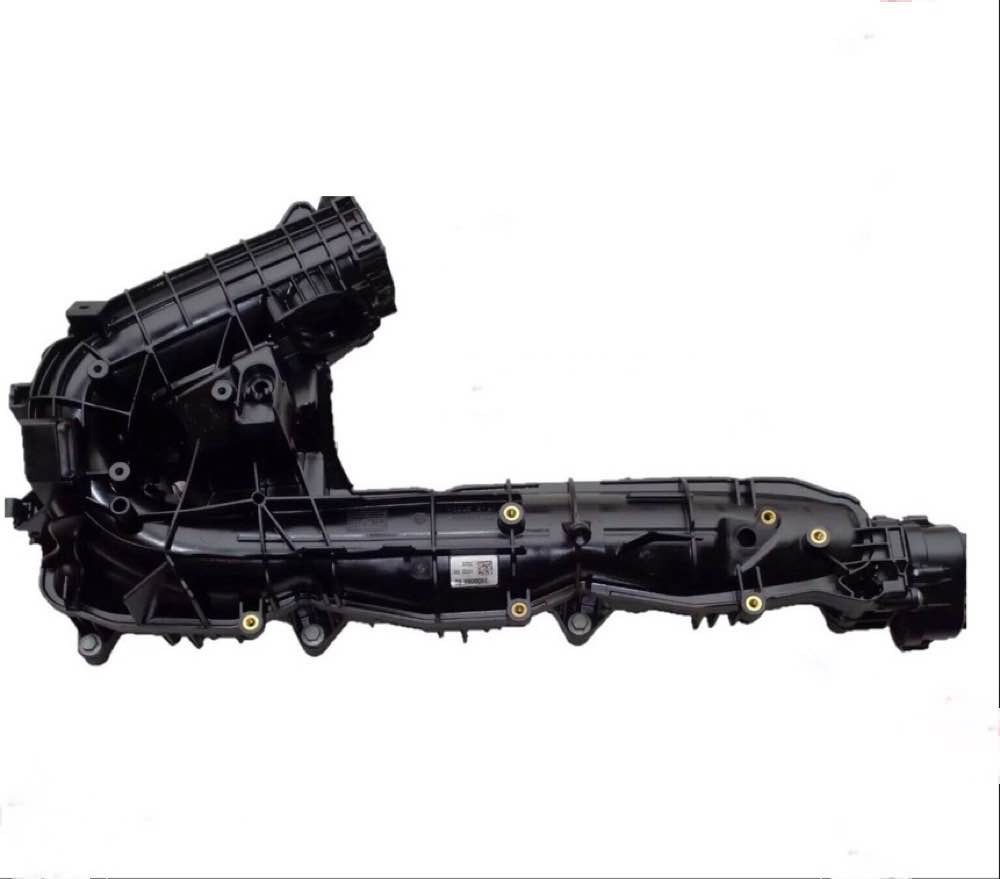
For modern passenger vehicle applications, PA66 fortified with 30 to 35 percent glass fiber is the industry standard. Because complex internal runner geometries cannot be molded in a single piece, the manifold is typically molded in two or more shells and joined using vibration welding.
When evaluating suppliers for OEM/ODM services, pay close attention to their welding equipment. Top-tier manufacturers will have in-house, branded vibration welding machines (such as Branson or Dukane). Facilities that outsource this critical joining step introduce unacceptable risks regarding weld flash and structural integrity under thermal cycling.
Need to verify a supplier's vibration welding capabilities and tooling precision? We conduct rigorous technical audits on the ground.
Talk to our teamQuality Control and Performance Validation
Intake manifolds operate in harsh under-hood environments, facing constant thermal expansion, engine vibration, and exposure to oil and unburned hydrocarbons. Defective units lead directly to rough idling, lean misfires, and engine check lights, resulting in costly distributor returns.
A robust quality control & inspection protocol must move beyond visual checks and verify functional performance at the batch level.
Critical Factory Inspection Points
- Flange Flatness: Verify mating surfaces using a coordinate measuring machine (CMM) to ensure deviations are well under 0.1mm to prevent vacuum leaks.
- Burst Pressure Testing: Ensure sample units are hydrostatically or pneumatically tested to withstand pressures exceeding standard operating limits.
- Leak Decay Testing: Mandate 100% inline air leak testing for all welded or cast assemblies before packaging.
- Weld Flash Inspection: For plastic manifolds, confirm internal weld flash is minimized and does not obstruct runner airflow.
- Material Verification: Request SGS or equivalent third-party material certificates to confirm the PA66 resin is virgin and properly glass-filled, not regrind.
Ensure your chosen manufacturer holds current IATF 16949 certification, the automotive industry's baseline for quality management. We strongly recommend conducting comprehensive factory audits prior to tooling investment to verify that these quality systems are actively practiced, not just framed on the wall.
MOQs, Tooling, and Pricing Dynamics
The cost structure for intake manifolds is heavily front-loaded due to tooling requirements. When sourcing existing aftermarket designs, manufacturers have already amortized the mold costs, allowing for lower minimum order quantities (MOQs). However, for proprietary designs or new vehicle applications, expect significant initial capital expenditure.
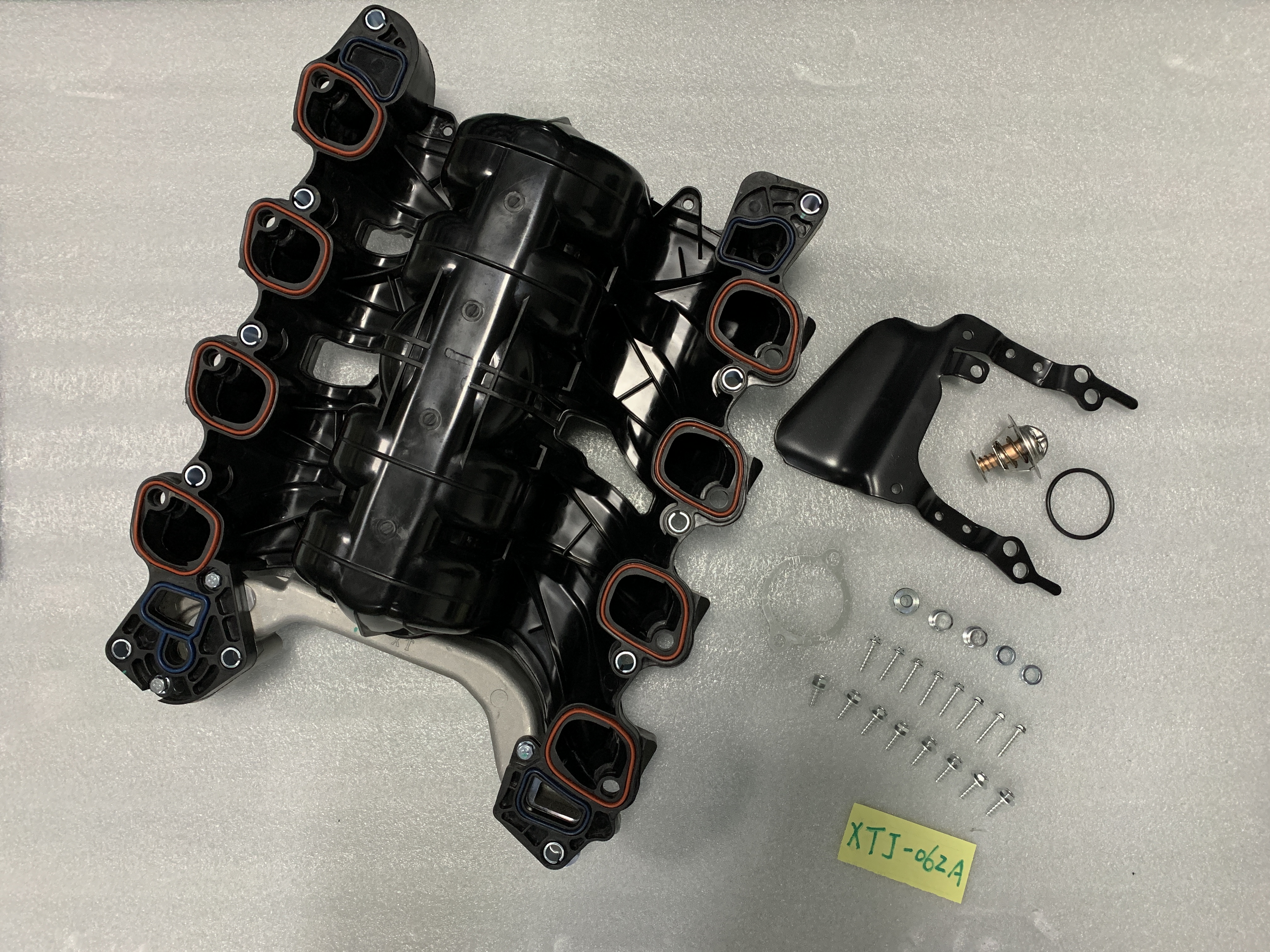
Pricing is driven by resin costs, mold complexity (number of cavities and slides), and the inclusion of integrated components. Manifolds shipped with pre-installed gaskets, throttle body flanges, MAP sensor ports, or variable intake runner valves (tumble flaps) will carry higher unit costs but reduce downstream assembly requirements.
Navigating tooling ownership and unit pricing negotiations? Let our sourcing experts structure a secure, scalable manufacturing agreement.
Get a free consultationFrequently Asked Questions
Successfully sourcing automotive intake manifolds requires deep technical oversight, from evaluating mold flow analyses to enforcing strict inline leak testing. Partnering with experienced on-the-ground professionals ensures your supply chain remains resilient, compliant, and cost-effective.
Get Sourcing Help for Intake Manifolds
Tell us your requirements and our experts will connect you with verified manufacturers.