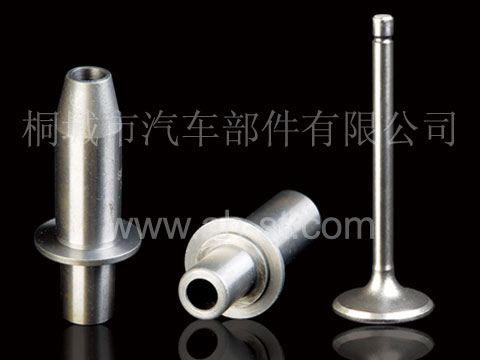
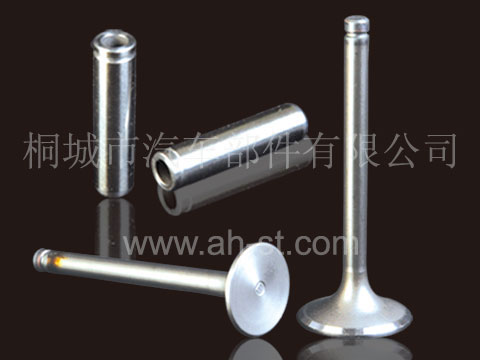
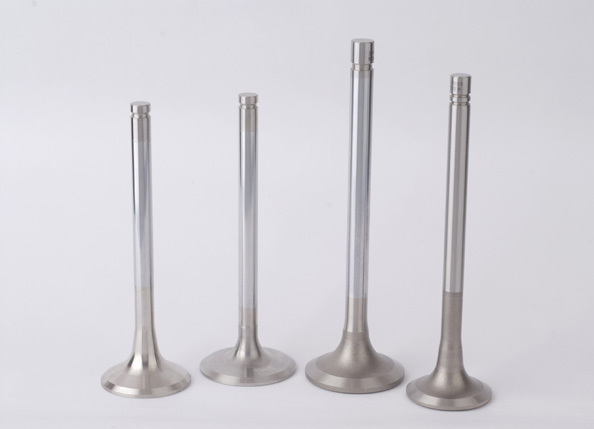
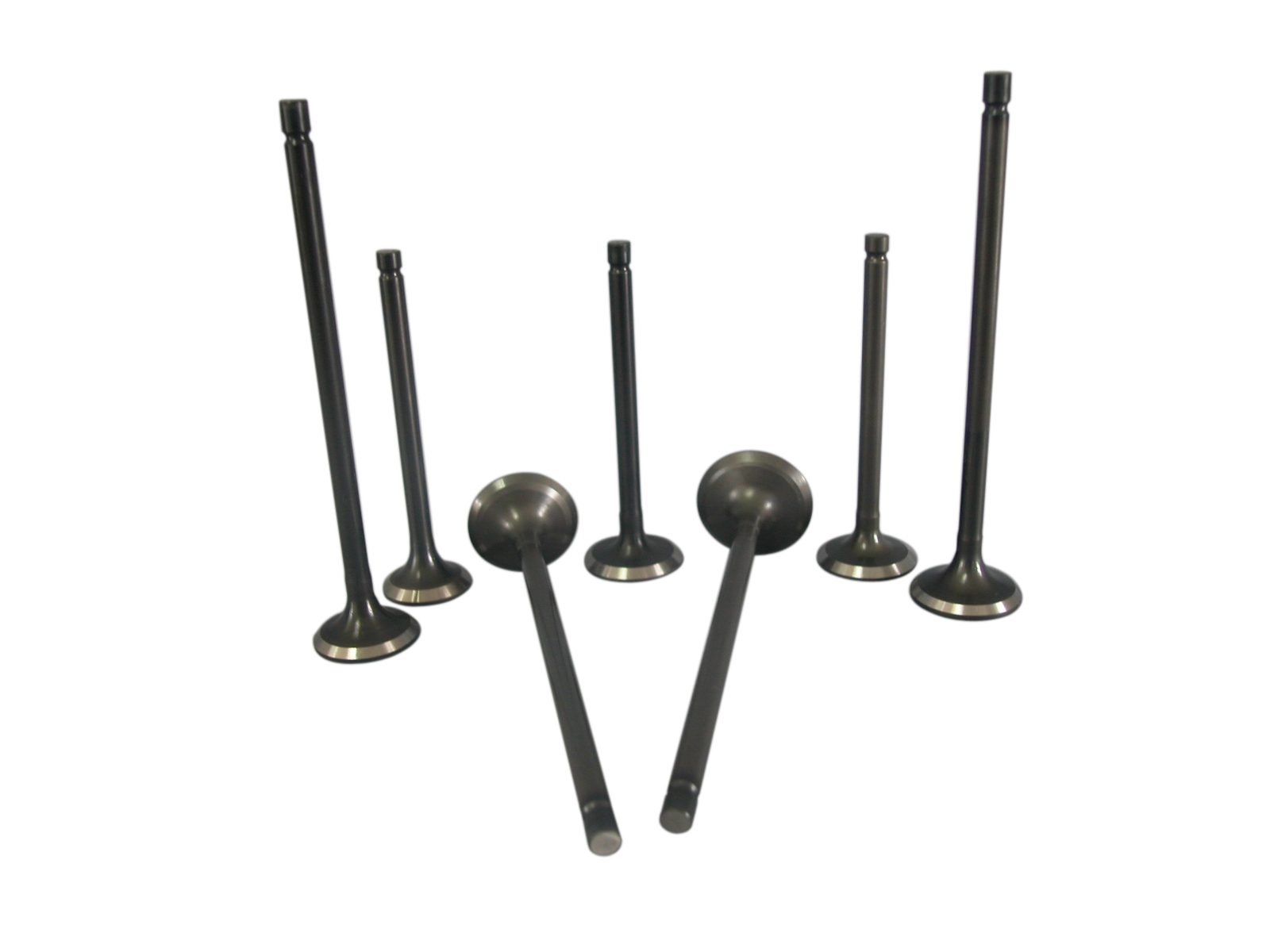
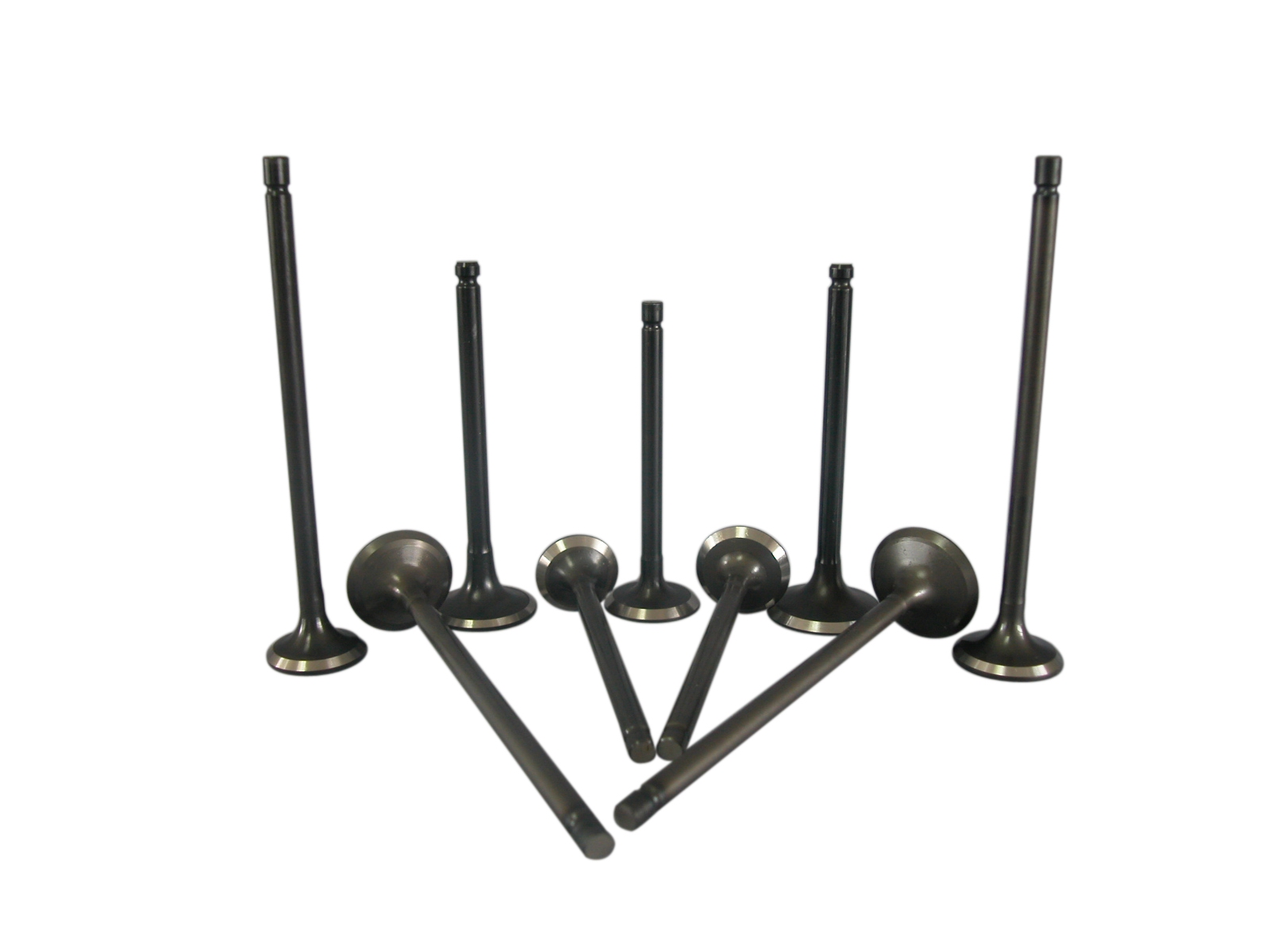
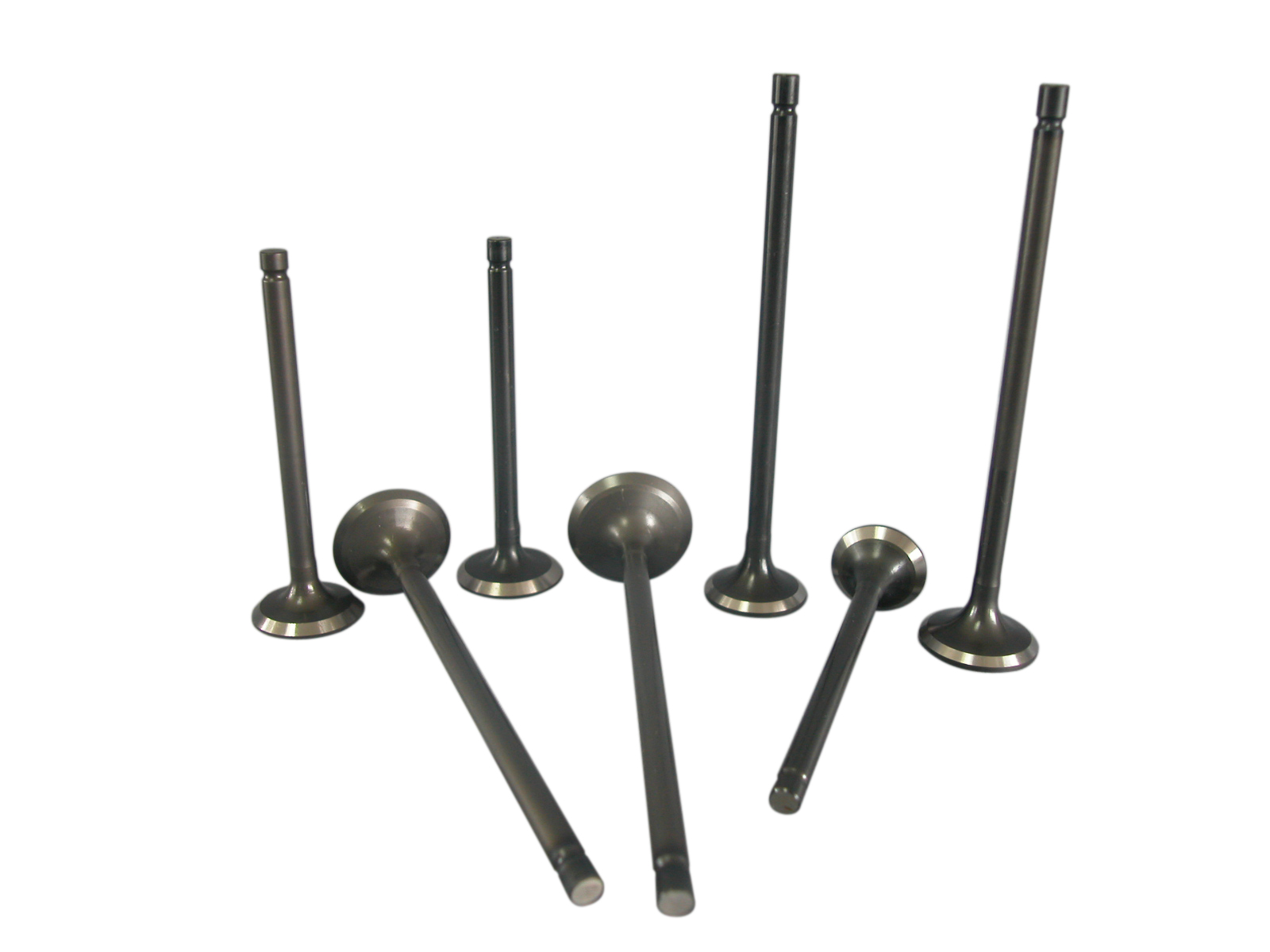
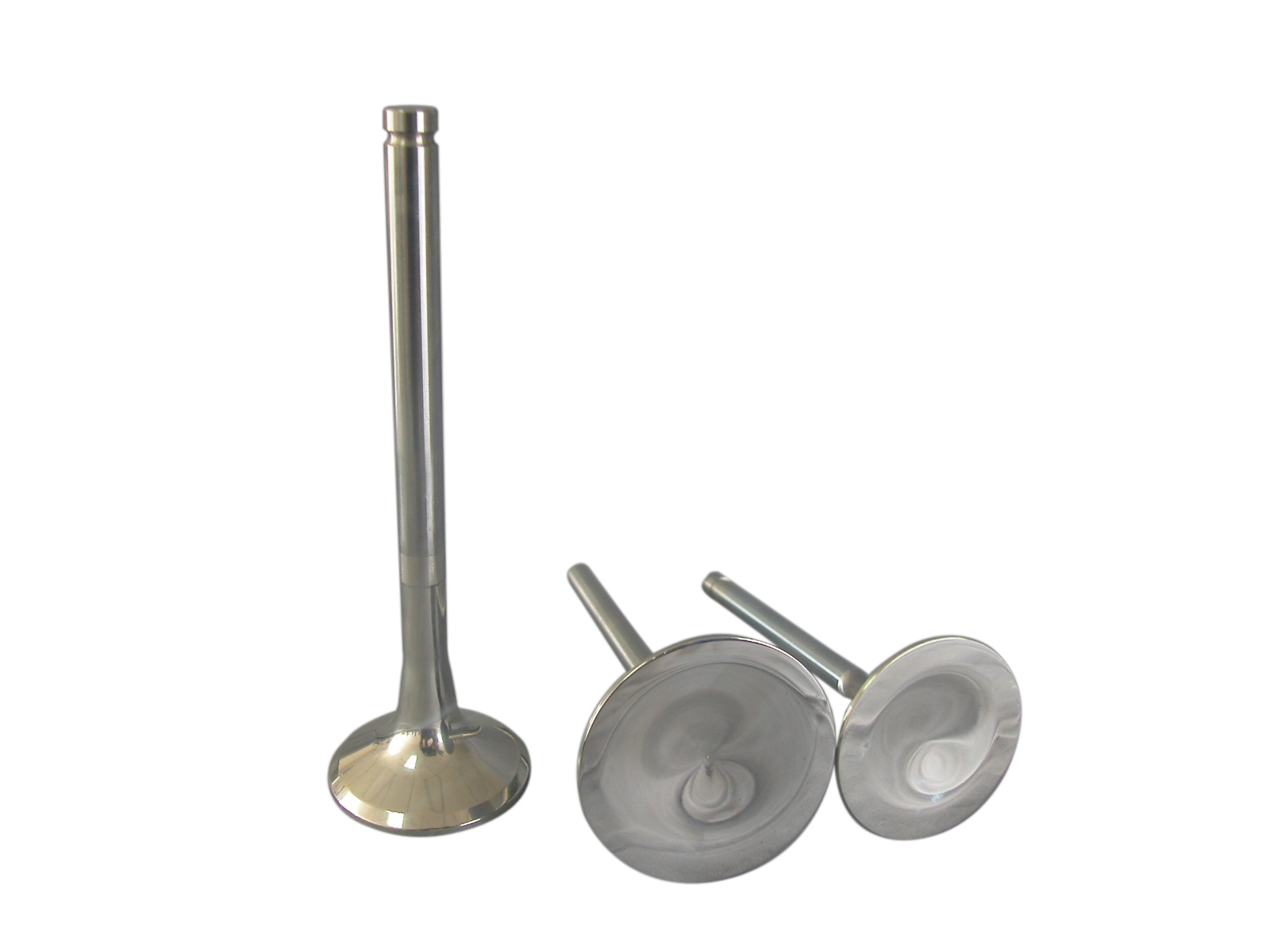
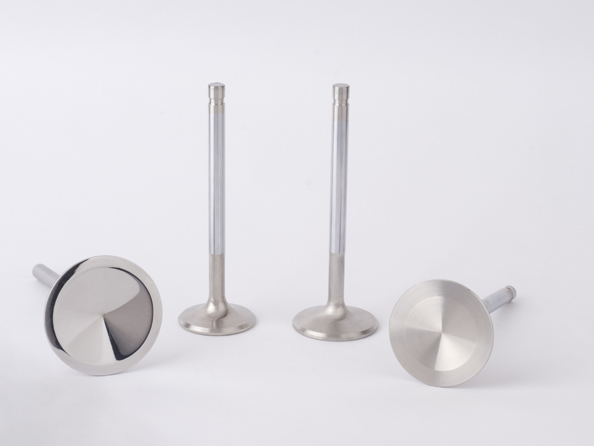
Intake & Exhaust Valves & Valve Tappets
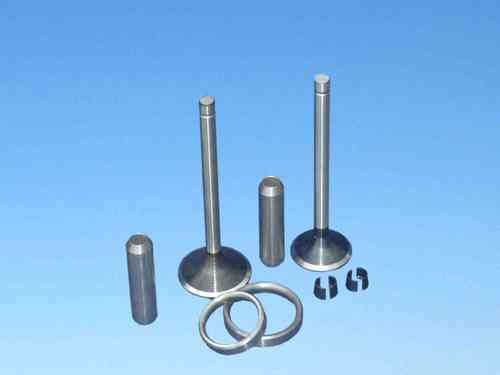
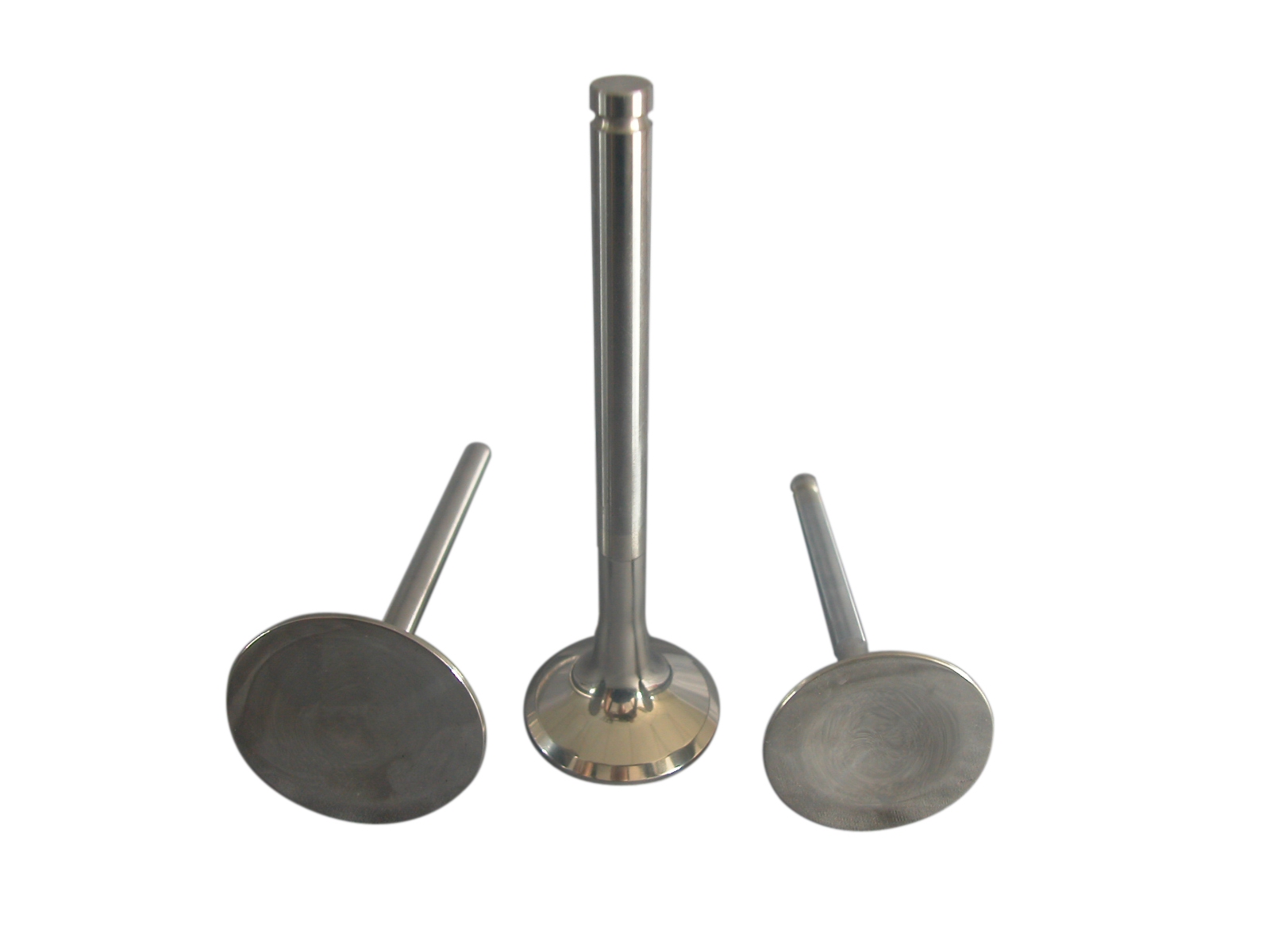
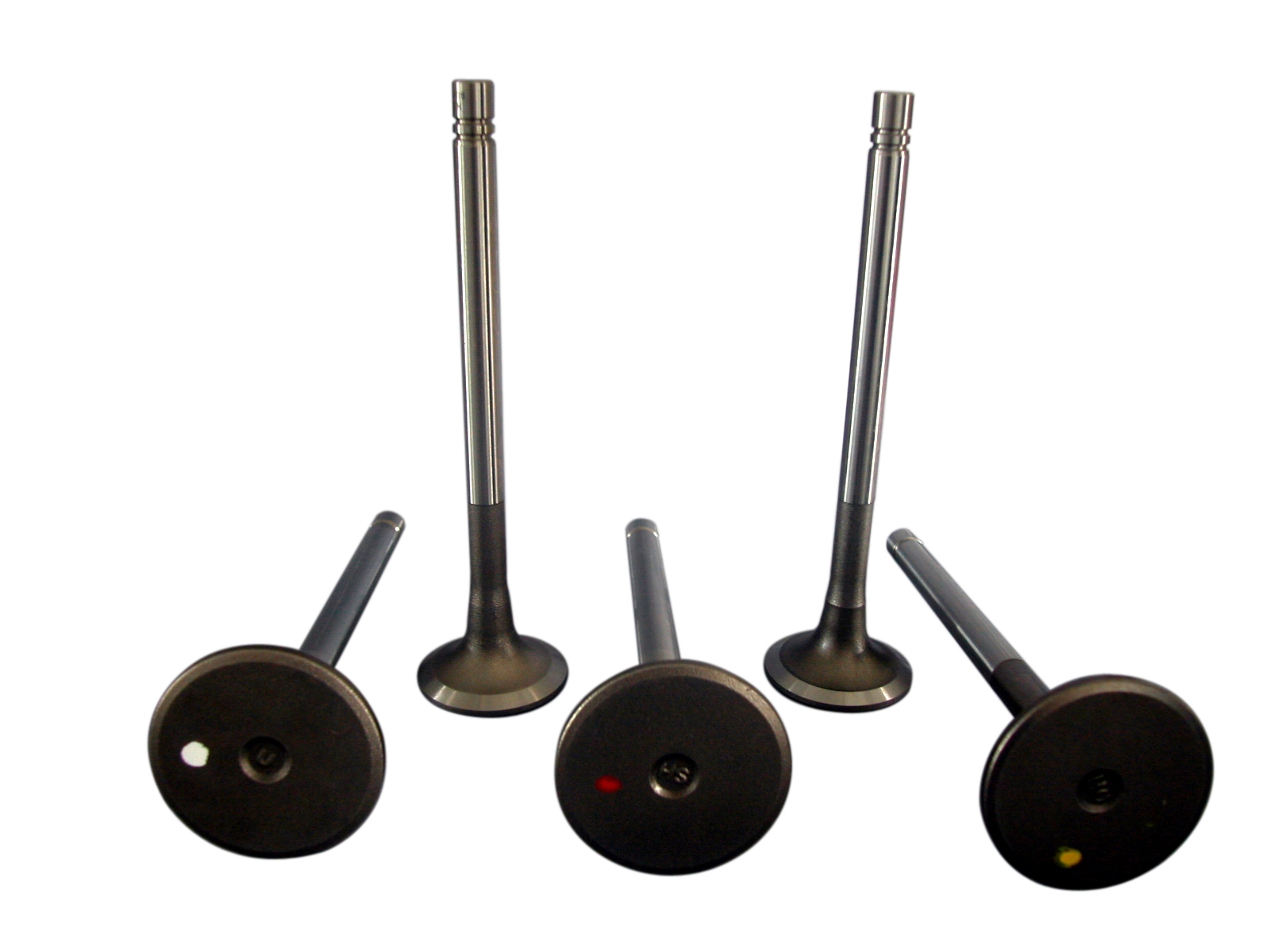
Source high-performance intake and exhaust valves and valve tappets directly from vetted manufacturers. Designed for auto parts distributors, aftermarket wholesalers, and OEM brands requiring strict tolerances and durable metallurgy in bulk volume.
Engine valves and tappets operate under extreme thermal and mechanical stress, demanding precise metallurgy, flawless friction welding, and exacting dimensional tolerances. Sourcing these critical valvetrain components in high volumes requires looking past surface-level pricing to verify a factory's machining capabilities, heat treatment facilities, and defect management protocols.
Metallurgical Requirements and Specifications
The operating environments for intake and exhaust valves differ significantly, dictating distinct material choices. Exhaust valves endure temperatures exceeding 800 degrees Celsius and corrosive combustion gases, while intake valves operate cooler but require high tensile strength to withstand rapid cycling.
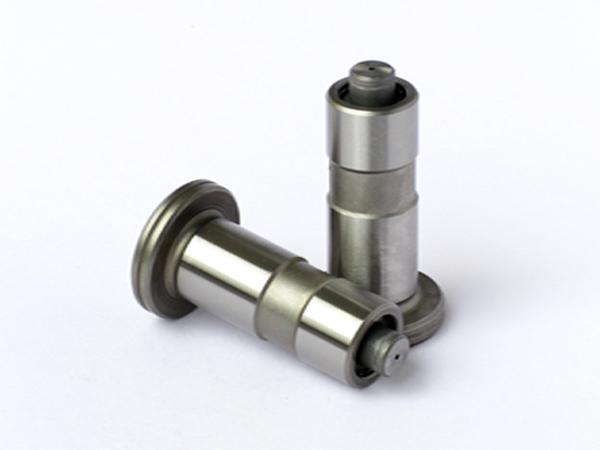
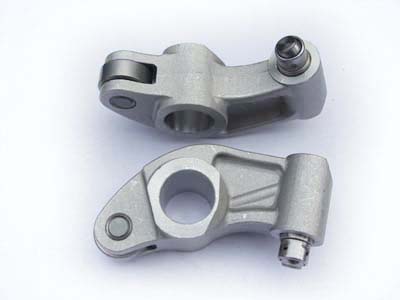
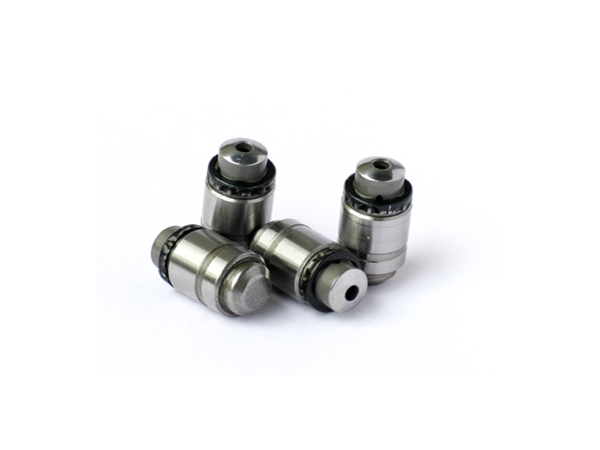
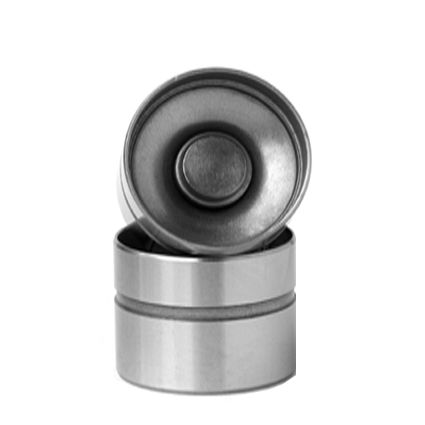
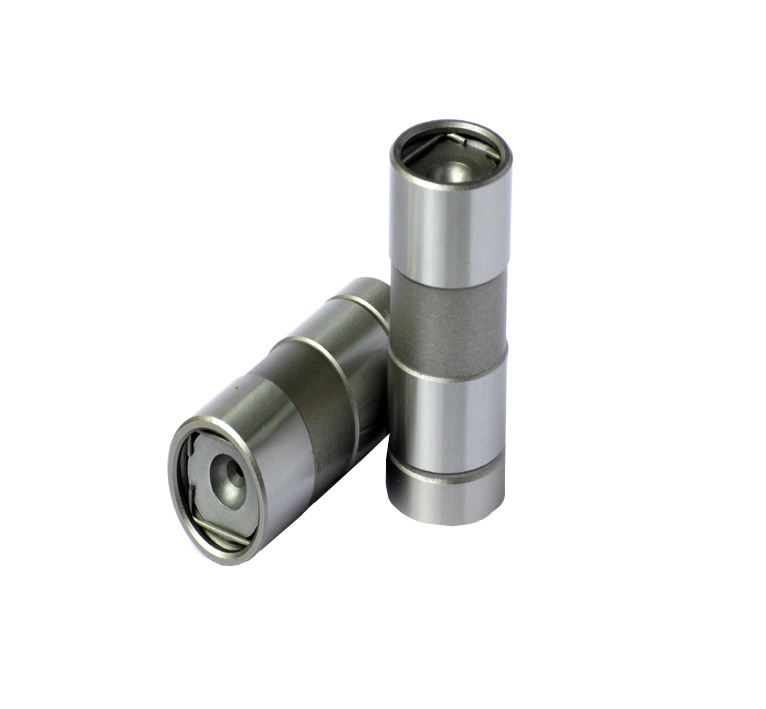
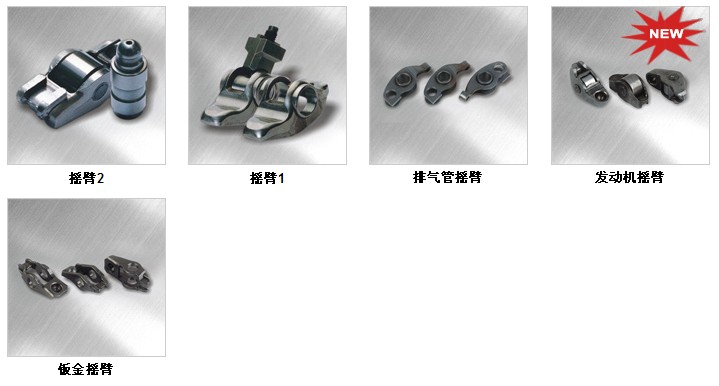
Valve tappets (or lifters)—whether solid, roller, or hydraulic—must resist severe friction and require high surface hardness, typically achieved through chilled cast iron or carburized forged steel.
| Component | Typical Materials | Key Surface Treatments |
|---|---|---|
| Intake Valves | SUH3, 40Cr, 4Cr9Si2 | Nitriding, Chrome plating |
| Exhaust Valves | SUH35, Nimonic 80A (Bimetallic) | Stellite facing, Tufftriding |
| Hydraulic Tappets | Chilled cast iron, 20CrMo | Carburizing, Precision centerless grinding |
When developing custom valvetrain profiles, partnering with facilities that offer comprehensive OEM/ODM Services ensures your exact metallurgical and dimensional specifications are met from tooling through to mass production.
Need help matching exact OEM metallurgical specs with reliable, IATF-certified tier-1 factories?
Talk to our teamManufacturing Tolerances and Quality Control
The difference between a reliable supplier and a high-risk one often comes down to their internal quality control during machining and heat treatment. Bimetallic exhaust valves require friction welding to join a high-heat-resistant head to a wear-resistant stem. If the weld integrity is compromised, the valve will fail catastrophically under load.
Similarly, hydraulic tappets rely on internal clearances measured in microns. Excessive clearance leads to lifter tick and oil pressure loss; insufficient clearance causes valve float.
Implementing rigorous Quality Control & Inspection at the factory level is non-negotiable.
Critical Pre-Shipment Inspection Points
- Stem-to-head concentricity (runout must typically be under 0.05mm)
- Friction weld integrity via ultrasonic or X-ray non-destructive testing
- Surface hardness verification (Rockwell C scale) on stem tips and tappet faces
- Hydraulic tappet leak-down testing to verify internal check valve seating
- Stellite tip adhesion and porosity checks on exhaust valves
Sourcing Realities: MOQs, Pricing, and Lead Times
High-volume production of engine valves relies on automated CNC turning, centerless grinding, and continuous heat-treatment furnaces. Because setting up these lines is time-intensive, factories enforce strict minimum order quantities (MOQs).
Pricing is heavily indexed to raw material costs (particularly nickel and chromium alloys for exhaust valves) and the complexity of surface treatments. Adding a Stellite-faced seat or a specialized titanium nitride coating will significantly impact the unit cost.
Before committing to a large production run, executing thorough Factory Audits is essential to verify that the supplier actually owns their heat-treatment and friction-welding equipment, rather than outsourcing these critical steps to unverified third parties.
Looking to consolidate your auto parts supply chain and negotiate better terms with vetted manufacturers?
Get a free consultationFrequently Asked Questions
Successfully sourcing intake and exhaust valves requires strict oversight of material science and machining precision. By partnering with vetted, IATF-certified manufacturers and enforcing rigorous pre-shipment testing, you can secure reliable valvetrain components that minimize warranty claims and perform flawlessly under pressure.
Get Sourcing Help for Intake & Exhaust Valves & Valve Tappets
Tell us your requirements and our experts will connect you with verified manufacturers.