Instrumentation Cables
Source high-performance instrumentation cables from vetted manufacturers and suppliers. Designed for importers, wholesalers, and industrial brands looking for reliable bulk production, our network delivers custom OEM and standard configurations built to exact signal integrity and shielding requirements.
Sourcing instrumentation cables at scale requires balancing signal integrity, environmental resilience, and strict adherence to international standards like IEC, UL, or BS EN. The core challenge for buyers isn't just finding a factory that can extrude copper and plastics; it's securing a manufacturing partner with the precision machinery needed for consistent pair twisting, effective shielding, and stringent electrical testing to prevent crosstalk and signal attenuation in critical industrial control systems.
Critical Specifications for Bulk Procurement
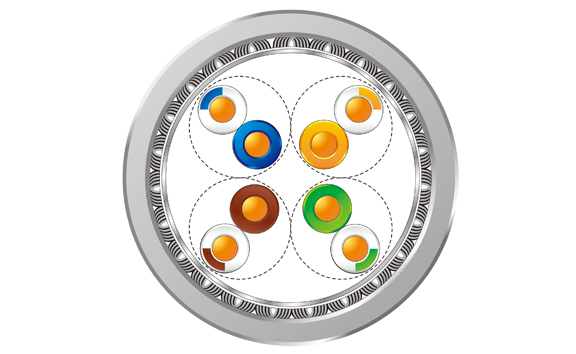
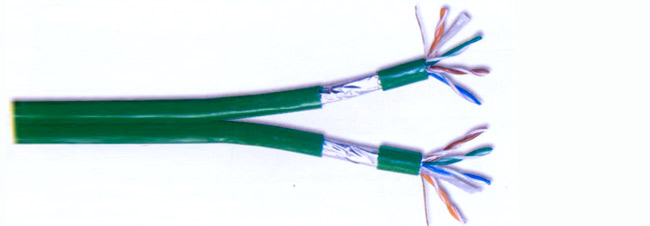
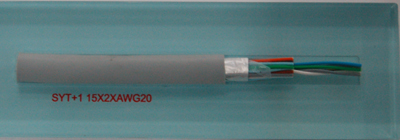
When negotiating production runs, the technical specification sheet is your primary defense against substandard manufacturing. Instrumentation cables transmit low-energy signals, making them highly susceptible to electromagnetic interference (EMI) and radio frequency interference (RFI).
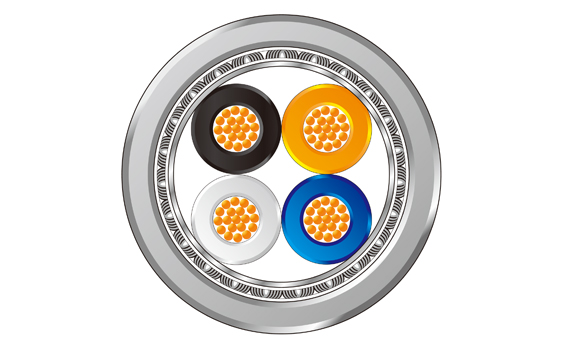
You must precisely define the conductor material (typically bare or tinned Class 1, 2, or 5 copper), the insulation type (PVC, XLPE, or PE), and the shielding configuration. Tinned copper is often preferred for industrial environments due to its corrosion resistance and ease of soldering, though it carries a slight premium over bare copper.
| Shielding Configuration | Application Focus | Manufacturing Complexity |
|---|---|---|
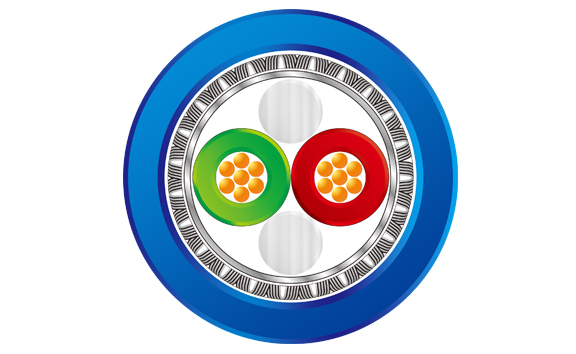
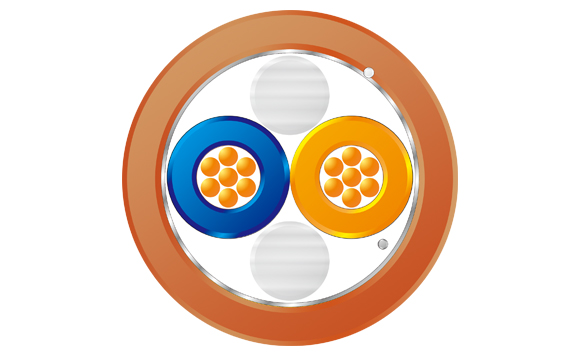
| Overall Shield (OS) | General EMI protection for the entire cable bundle. | Standard |
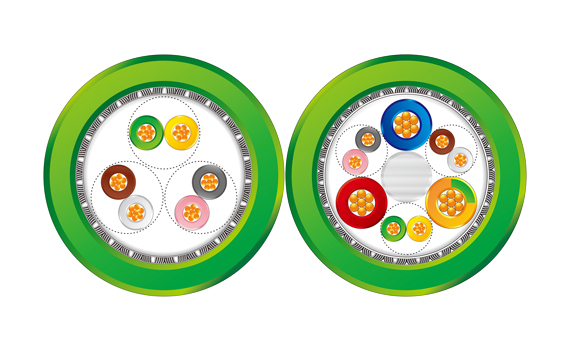
| Individual & Overall Shield (IS/OS) | Preventing crosstalk between internal pairs + external EMI protection. | High |
| Foil + Braid (Double Shielded) | High-noise industrial environments requiring maximum physical durability. | Very High |
Need help matching your technical requirements with a capable factory? We can evaluate your spec sheet and identify manufacturers with the right extrusion and shielding lines.
Talk to our teamManufacturing Tolerances and Quality Control
The performance of an instrumentation cable is largely determined on the factory floor during the twisting and extrusion phases. Inconsistent lay lengths (the distance it takes for two wires to complete one full twist) will inevitably lead to capacitance unbalance and crosstalk between pairs.
Before committing to a large order, it is highly recommended to conduct factory audits to verify the supplier's production equipment. Look for automated planetary cablers that maintain precise tension and twisting consistency.
Key Factory Floor Checks for Instrumentation Cables
- Verify the presence of in-line spark testers on the extrusion line to catch pinholes in the insulation.
- Check the tension control systems on the shielding machines to ensure the aluminum/polyester foil does not tear during application.
- Confirm the factory uses pure, non-recycled copper (often 99.9 percent purity) to guarantee specified conductor resistance.
- Ensure the extrusion dies are regularly calibrated to maintain consistent jacket thickness and concentricity.
Catching defects after the cables are spooled and packaged is costly. Implementing comprehensive quality control & inspection protocols before shipment ensures the batch meets your exact electrical and physical requirements.
Pricing Drivers, MOQs, and Lead Times
Instrumentation cable pricing is highly volatile, driven primarily by the London Metal Exchange (LME) copper prices and the specific polymer compounds required for the jacket (such as Low Smoke Zero Halogen, or LSZH). Because factories must set up extrusion lines and calibrate twisting machinery for specific gauges and pair counts, Minimum Order Quantities (MOQs) are usually dictated by the minimum viable run length of the extrusion machine.
When structuring a purchase, ensure your supplier contract clearly defines the copper price baseline at the time of order. Many factories will update their quotes weekly or even daily based on LME fluctuations.
Struggling with high MOQs or volatile copper pricing? We can help consolidate orders and negotiate stable terms with vetted cable manufacturers.
Get a free consultationFrequently Asked Questions
Successfully importing instrumentation cables requires more than comparing unit prices on a spreadsheet. It demands rigorous specification management, an understanding of commodity pricing, and strict oversight of the extrusion and testing processes. By partnering with manufacturers who possess the right technical capabilities and enforcing strict pre-shipment testing, you can secure reliable, high-margin inventory for your distribution network or industrial projects.
Get Sourcing Help for Instrumentation Cables
Tell us your requirements and our experts will connect you with verified manufacturers.