Instrument Bags & Cases
Source premium Instrument Bags & Cases from vetted manufacturers and wholesale suppliers across Asia. Designed for importers, distributors, and brands requiring reliable OEM and private-label production, our network delivers bulk instrument protection solutions engineered for durability and precise fit.
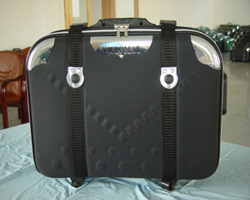
Sourcing instrument bags and cases at scale requires a precise balance between impact resistance, weight, and ergonomic design. Whether you are developing soft gig bags for consumer retail or rugged, semi-rigid cases for professional touring equipment, the challenge lies in maintaining strict dimensional tolerances and consistent material quality across high-volume production runs.
Core Specifications and Material Selection
The structural integrity of an instrument bag relies heavily on the combination of its outer shell and interior padding. Specifying the wrong materials can lead to premature wear or, worse, damage to the high-value equipment inside.
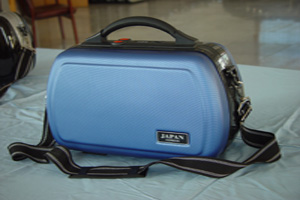
- Outer Shell Fabrics: For soft bags, 600D to 1680D Oxford cloth or ballistic nylon are standard. The denier rating directly impacts abrasion resistance. For semi-rigid options, thermoformed EVA (Ethylene-Vinyl Acetate) is laminated with nylon or polyester to provide a hard-shell feel at a fraction of the weight of ABS plastic or wood.
- Hardware: Zippers are the most common failure point. Specify nylon coil zippers (often #8 or #10) for smooth operation around corners, or vislon/molded plastic for heavy-duty applications. Load-bearing hardware like D-rings and strap hooks should be cast zinc alloy rather than cheap stamped steel.
| Padding Material | Impact Resistance | Longevity | Cost Profile |
|---|---|---|---|
| EPE Foam | Low to Moderate | Compresses over time | Highly Economical |
| EVA Foam | High (Semi-rigid) | Excellent shape retention | Moderate to High |
| PU Sponge | Moderate | Good, but absorbs moisture | Moderate |
Need to lock in precise foam densities and hardware specifications for your next production run?
Get a free consultationManufacturing Tolerances and Quality Control
Consistent quality on the factory floor is won or lost in the cutting and stitching phases. If foam panels are cut even slightly out of tolerance, the resulting bag will either warp or fail to secure the instrument properly. When developing products through OEM/ODM Services, your tech pack must explicitly define stitching reinforcements.
Straps and handles must utilize bar-tack stitching or reinforced cross-stitching at all stress points. Additionally, the interior lining—typically tricot, velvet, or short-plush—must be stitched with adequate seam allowances to prevent fraying and ensure no abrasive backing material comes into contact with the instrument.
Critical In-Line Inspection Points
- Bar-tack stitching at all D-ring and shoulder strap load points
- Zipper cycle testing around tight radiuses to check for binding
- Foam density and thickness verification against approved pre-production samples
- Drop testing for semi-rigid and hard cases with weighted dummy instruments
- Verification of non-scratch zipper pulls on interior compartments
Implementing rigorous Quality Control & Inspection protocols before the goods leave the factory is the only way to catch zipper blowouts or stitching failures before they impact your brand.
Chemical Compliance and Off-Gassing
Ensure your supplier uses REACH or RoHS compliant dyes, adhesives, and plastics. Certain cheap PVC coatings and interior foams can off-gas over time, which may tarnish metal instrument parts or react with nitrocellulose finishes.
Sourcing Realities: MOQs, Tooling, and Lead Times
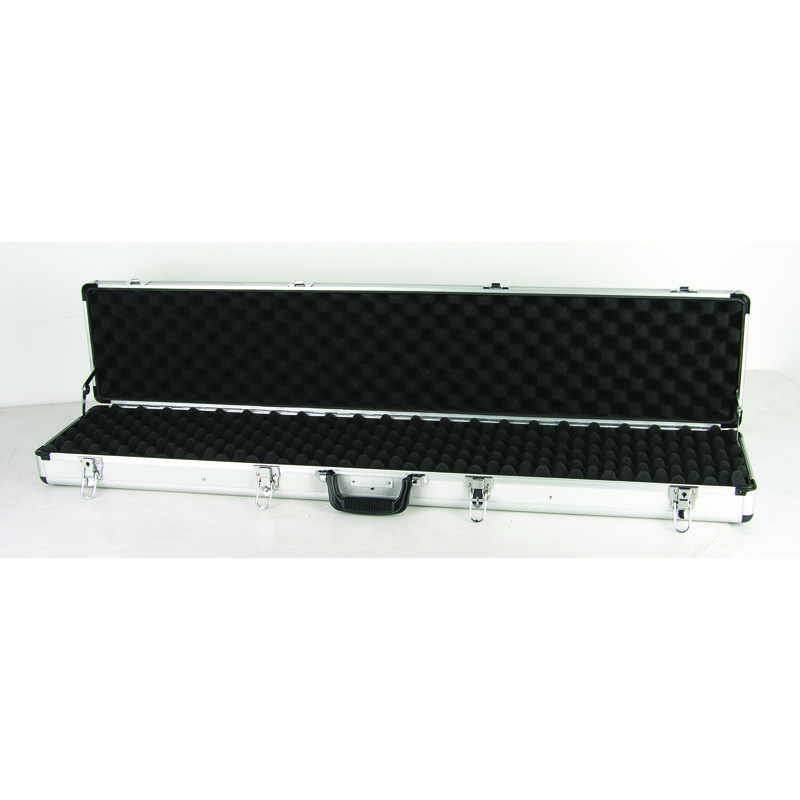
Production economics in this category vary significantly depending on the rigidity of the case. Soft bags utilize standard cut-and-sew manufacturing, making them highly flexible. Semi-rigid EVA cases, however, require custom aluminum molds for thermoforming, which introduces tooling costs and higher minimums.
When sourcing EVA or hard-shell cases, verifying the factory's in-house tooling capabilities is essential. Subcontracted tooling often leads to delays and IP risks. Conducting thorough Factory Audits ensures your chosen supplier has the necessary machinery and quality management systems (like ISO 9001) in place to handle complex, multi-material assemblies.
Looking to optimize your tooling costs and consolidate your bag and case supplier base?
Talk to our teamFrequently Asked Questions
A reliable instrument case does more than hold a product; it protects high-value assets in unpredictable environments. Securing a supply chain that consistently delivers on both structural integrity and cosmetic finish ensures your brand reputation remains intact. Expert guidance can help you navigate material selection and factory vetting with confidence.
Get Sourcing Help for Instrument Bags & Cases
Tell us your requirements and our experts will connect you with verified manufacturers.