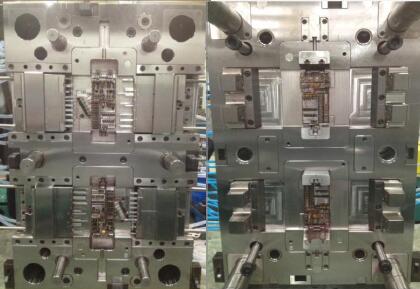
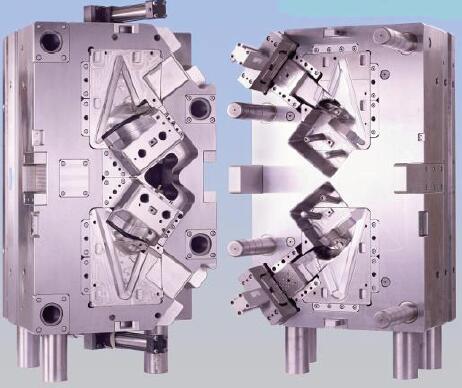
Injection Molding Machines
Source high-performance injection molding machines from vetted suppliers and manufacturers across Asia. Designed for industrial equipment distributors, procurement managers, and manufacturing brands, our network provides reliable, factory-direct access to advanced plastic processing machinery for scaling production capacity.
Procuring injection molding machinery requires balancing capital expenditure with long-term operational reliability. Whether you are equipping a new facility, distributing industrial equipment, or upgrading an aging production line, sourcing directly from Asian manufacturers offers significant cost advantages. However, navigating the complex landscape of machine specifications, controller compatibility, and supplier capability requires rigorous technical oversight to ensure the equipment meets your exact production demands.
Core Specifications for Production Matching
Selecting the right machine architecture dictates your production limits and unit economics. Buyers must align the machine's capabilities with their specific mold dimensions, polymer types, and cycle time requirements.
| Specification | Operational Impact | What to Specify to Suppliers |
|---|---|---|
| Clamping Force (Tonnage) | Determines the maximum projected area of the part that can be molded without flashing. | Calculate required tonnage based on material flow and part area; specify a 10-20% safety margin. |
| Shot Size / Weight | Dictates the maximum volume of plastic injected per cycle. | Specify based on the heaviest part plus runner system, ideally using 30-70% of maximum barrel capacity. |
| Tie-Bar Spacing | Limits the physical size of the mold that can be loaded into the machine. | Ensure spacing exceeds your largest mold dimensions, accounting for core pulls or automation clearances. |
When defining these parameters, partnering with a team that handles comprehensive Product Sourcing ensures your technical requirements are accurately translated to the factory floor, avoiding costly miscommunications regarding machine capacity.
Need help matching machine specifications to your production requirements? Let our engineers vet capable manufacturers for you.
Talk to our teamDrive Systems: Efficiency vs. Capital Cost
The drive system is the heart of the injection molding machine, directly impacting energy consumption, precision, and maintenance cycles.
- Standard Hydraulic: Traditional and robust, offering high clamping forces at the lowest initial capital cost. Best suited for thick-walled parts where cycle time and extreme precision are secondary to machine cost.
- Servo-Hydraulic: The current industry standard for general manufacturing. By pairing a servo motor with a gear pump, these machines only consume power when movement is required, reducing energy consumption by up to 70 percent compared to standard hydraulics.
- All-Electric: Utilizes independent servo motors for every machine movement. Offers the highest precision, fastest cycle times, and parallel movements. Ideal for medical devices, optical lenses, and clean-room environments, though they carry a higher initial price tag.
Quality Control and Factory Vetting
The Asian machinery market is vast, with suppliers ranging from premium, export-focused manufacturers using imported components to domestic-focused assemblers cutting corners on metallurgy. Verifying a supplier's capability before placing a deposit is critical.
Critical Inspection Points for Molding Machines
- Platen Parallelism: Must be measured dynamically and statically to ensure even mold clamping and prevent premature mold wear.
- Screw and Barrel Metallurgy: Verify bimetallic or nitrided treatments if processing abrasive materials like glass-filled nylon.
- Controller Origin: Ensure the use of internationally recognized PLC controllers (e.g., KEBA, Techmation) for reliability and localized support.
- Hydraulic Components: Check that valves and pumps are sourced from reputable brands (e.g., Rexroth, Yuken) to guarantee stable pressure.
Conducting thorough Factory Audits before procurement is essential to verify that the manufacturer actually machines their own platens and frames, rather than merely assembling outsourced, lower-grade components. Furthermore, rigorous Quality Control & Inspection prior to shipment ensures the machine passes dry-cycle testing and meets all safety certifications (like CE or UL) required for your destination market.
Pricing, MOQs, and Lead Times
Unlike consumer goods, industrial machinery sourcing is characterized by high unit costs and complex logistics.
Shipping injection molding machines requires specialized logistics. Machines under 200 tons can often fit into standard 40HQ containers, but larger tonnage machines require flat rack containers, breakbulk shipping, and extensive anti-rust packaging. Coordinating this with experienced Shipping & Freight professionals prevents port delays and transit damage.
Planning a machinery import? Speak with our logistics and sourcing experts to map out total landed costs and lead times.
Get a free consultationFrequently Asked Questions
Ultimately, the true cost of an injection molding machine is not just the FOB price, but the total cost of ownership—factoring in energy use, maintenance downtime, and production consistency. Sourcing directly from top-tier Asian manufacturers yields massive ROI, provided the technical vetting, quality assurance, and heavy logistics are managed with absolute precision.
Get Sourcing Help for Injection Molding Machines
Tell us your requirements and our experts will connect you with verified manufacturers.