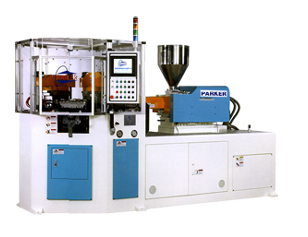
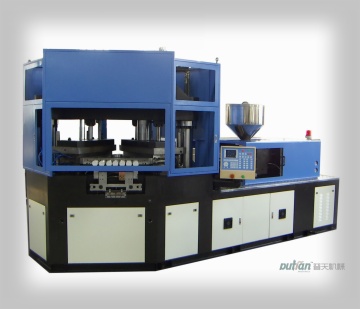
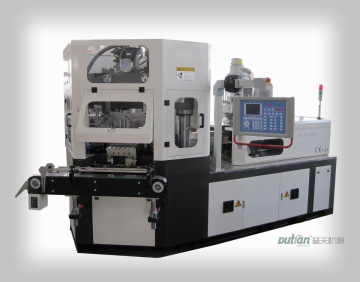
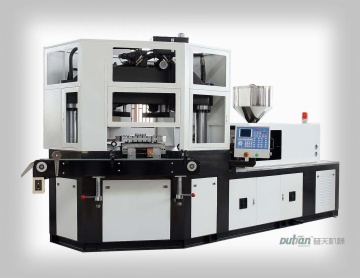
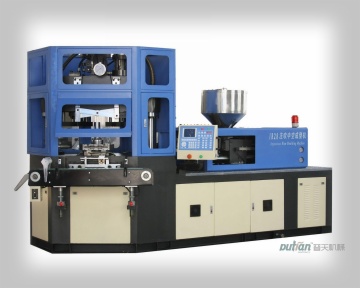
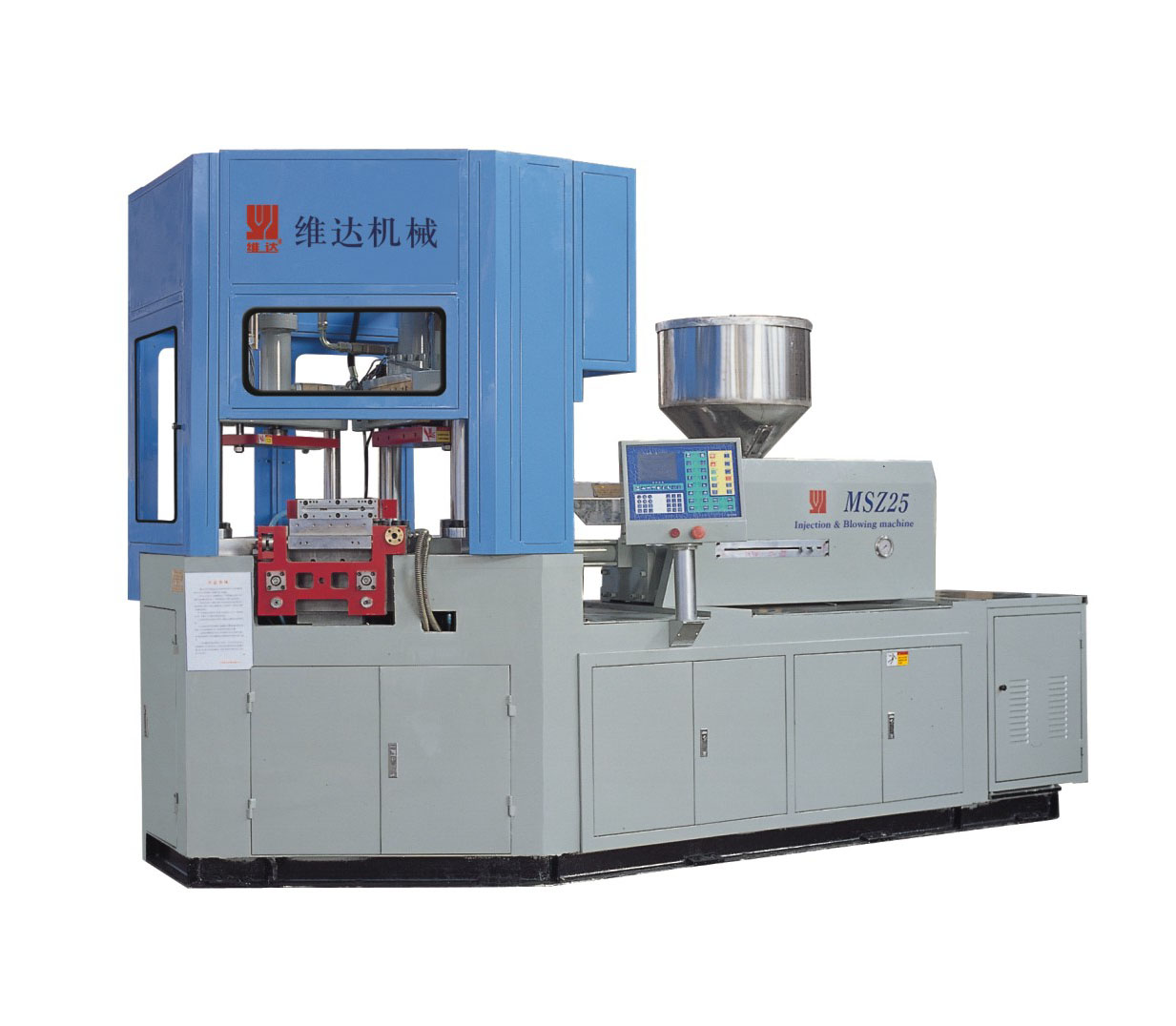
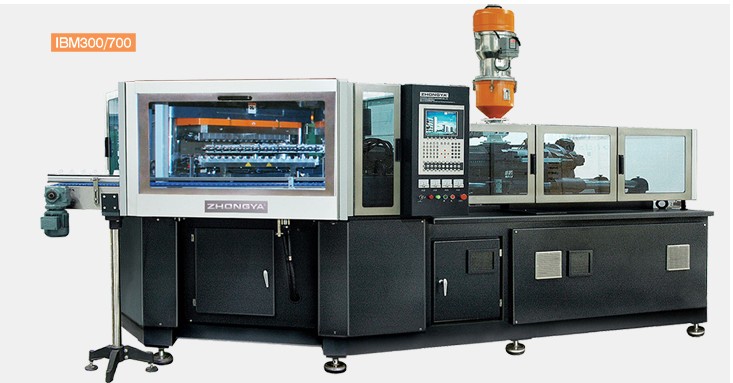
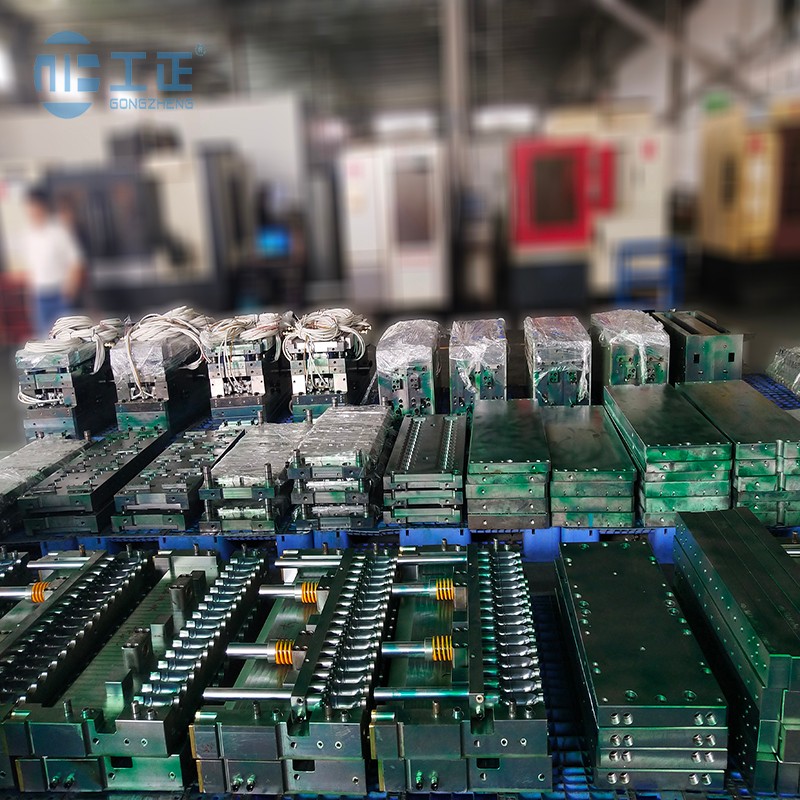
Injection Blow Molding Machines
Source high-precision injection blow molding machines from vetted manufacturers and suppliers. Designed for importers, distributors, and brands requiring reliable equipment for pharmaceutical, cosmetic, and food packaging production. Secure competitive wholesale pricing and end-to-end import support.
Sourcing injection blow molding (IBM) machinery requires balancing upfront capital expenditure with long-term operational stability. Because the IBM process is the global standard for zero-scrap, high-precision hollow containers—such as pharmaceutical vials, roll-on deodorant bottles, and premium cosmetics—the tolerance for mechanical variance is exceptionally low. A machine that drifts out of calibration will rapidly produce unacceptable scrap rates.
Procuring these machines directly from Asian manufacturers offers significant cost advantages, but it requires rigorous technical specification and factory vetting to ensure you receive equipment capable of continuous 24/7 operation.
Critical Specifications for IBM Procurement
When negotiating with manufacturers, vague specifications lead to substandard builds. You must define the exact mechanical and control parameters required for your production volume and mold cavities.
Key Machinery Parameters to Define
- Clamping Force (Tons): Must align with your mold size and cavity count; typical ranges are 30T to 160T.
- Injection Volume (Theoretical): Ensure the shot size accommodates the total weight of the preforms plus a 20 percent safety margin.
- Dry Cycle Time: Defines the baseline mechanical speed of the machine, directly impacting your overall output rate.
- Tie-Bar Spacing: Dictates the maximum mold dimensions the machine can accommodate.
- Control Systems (PLC/HMI): Specify internationally supported brands (e.g., Siemens, B&R, or Beckhoff) for easier localized maintenance.
Drive Systems: Servo-Hydraulic vs. Fully Electric
The choice of drive system dictates your energy consumption, cleanroom compatibility, and initial capital outlay. Fully electric machines are increasingly preferred for pharmaceutical applications due to the absence of hydraulic oil, but servo-hydraulic models remain the workhorses for standard packaging.
| Drive Technology | Energy Efficiency | Cleanroom Suitability | Initial Capital Cost |
|---|---|---|---|
| Servo-Hydraulic | Good (Variable Pump) | Class 100,000 (with care) | Lower Base Cost |
| Fully Electric | Excellent (up to 40 percent savings) | Class 10,000 (Ideal) | Premium Pricing |
Navigating complex machinery specifications and manufacturer vetting? Let our engineers help you secure the exact equipment you need.
Talk to our teamWhere Quality is Won or Lost on the Factory Floor
The primary risk when importing industrial machinery is component substitution. A supplier might quote a machine featuring premium Japanese or German valves and servo motors, but substitute them for cheaper domestic equivalents during assembly.
To prevent this, structural factory audits are non-negotiable before placing a deposit. You must verify the manufacturer's machining capabilities. Do they CNC their own platens, or outsource them? In-house machining generally indicates tighter quality control over platen parallelism, which is critical for preventing flash on the final molded bottles.
Furthermore, require strict quality control and inspection protocols. This includes an in-person Factory Acceptance Test (FAT) where the machine runs your specific molds for at least 12 to 24 hours continuously to monitor temperature stability and hydraulic pressure consistency.
Watch the Hydraulics
Pay close attention to the hydraulic manifold blocks. Poorly machined blocks lead to micro-leaks and pressure drops over time, causing inconsistent preform injection and ultimately, defective bottles.
Pricing, MOQs, and Lead Times
Machinery procurement operates on different timelines and pricing structures than consumer goods. Everything is built-to-order based on your specific voltage, safety standard (CE/UL), and tonnage requirements.
Pricing is highly variable based on clamping force and component origin. A standard 50-ton servo-hydraulic IBM machine with domestic components might start around $35,000, whereas a 160-ton fully electric machine with European control systems can easily exceed $120,000.
Need accurate pricing and lead times for your specific production requirements? We can source and negotiate with top-tier manufacturers on your behalf.
Get a free consultationFrequently Asked Questions
Securing heavy industrial equipment requires meticulous oversight from the initial specification sheet to final installation. Managing the complexities of heavy machinery shipping and freight—including flat-rack containers, securing loads, and navigating port customs—is just as critical as the manufacturing itself. Approach the procurement process as a long-term partnership rather than a single transaction.
Get Sourcing Help for Injection Blow Molding Machines
Tell us your requirements and our experts will connect you with verified manufacturers.