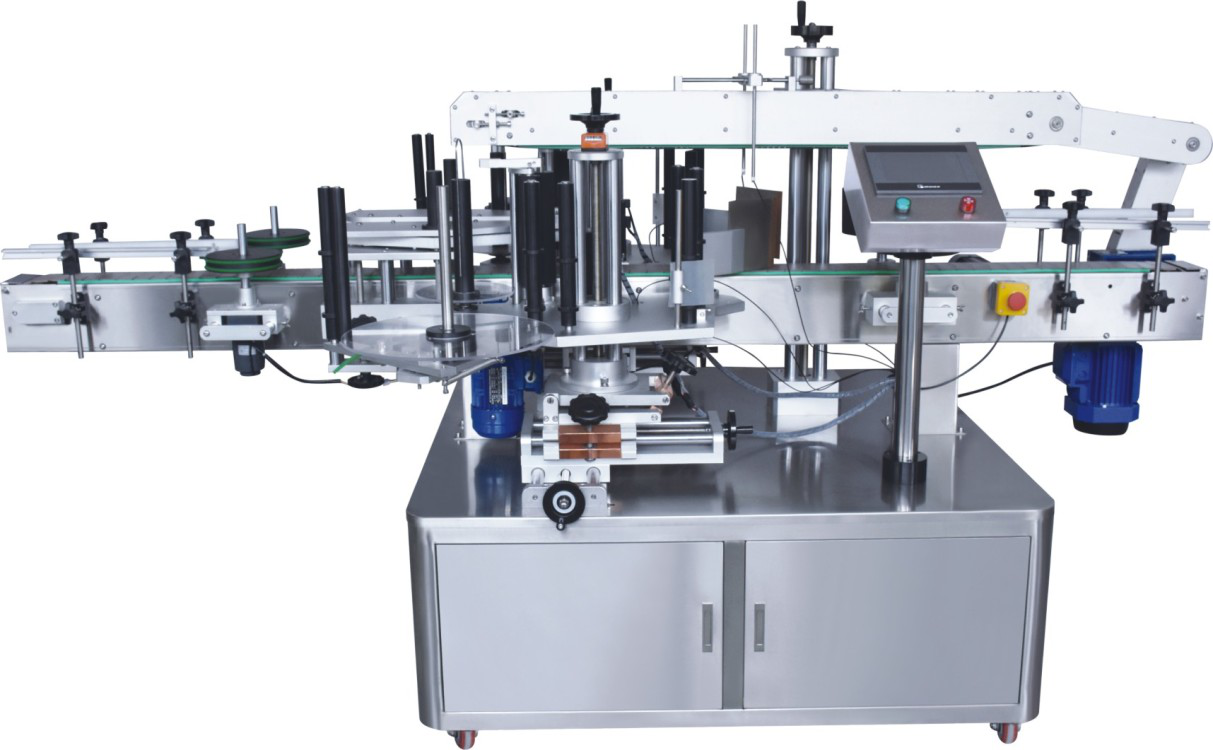
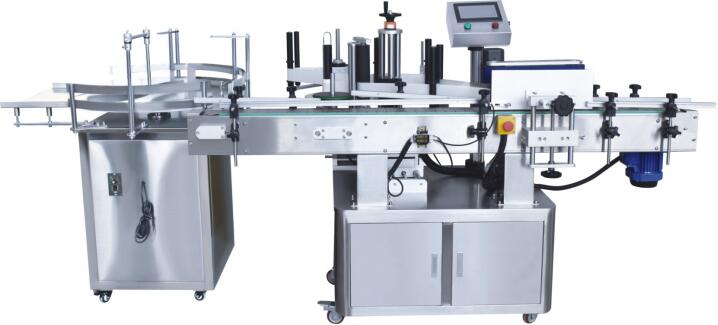
Inflatable Beverage Machines and Other Encapsulation Machines
Source high-performance Inflatable Beverage Machines and Other Encapsulation Machines directly from vetted manufacturers and wholesale suppliers. Built for importers, distributors, and beverage brands seeking bulk procurement or custom OEM production, our network delivers reliable, commercial-grade packaging machinery.
Procuring industrial beverage encapsulation and gas-dosing machinery requires balancing throughput demands with stringent sanitary requirements. Whether you are sourcing rotary triblock systems for carbonated soft drinks or linear seamers with liquid nitrogen dosing for craft canning, the primary challenge is identifying manufacturers capable of delivering consistent fill accuracy, reliable pressure retention, and robust automation.
Specifying Beverage Encapsulation and Gas-Dosing Machinery
When communicating requirements to a factory, vague specifications lead to integration failures on the production floor. Beverage machines must be tailored to the exact container material (PET, glass, aluminum), neck finish, and liquid characteristics (viscosity, carbonation level, temperature).
Key technical parameters to define include:
- Filling Mechanism: Isobaric (counter-pressure) filling is mandatory for carbonated or gas-injected beverages to prevent foaming and CO2 loss.
- Throughput Capacity: Measured in bottles or cans per minute (BPM/CPM). This must align with your downstream packaging equipment.
- Gas Dosing Precision: For non-carbonated beverages requiring rigidity (like thin-wall PET or aluminum), liquid nitrogen (LN2) dosing systems must offer millisecond precision.
- Control Systems: Specify globally supported PLC and HMI brands (such as Siemens, Mitsubishi, or Allen-Bradley) to ensure localized maintenance is possible.
| System Type | Typical Throughput | Best Application |
|---|---|---|
| Rotary Triblock (Isobaric) | Over 8,000 BPM | High-volume carbonated PET/Glass |
| Linear Gas-Dosing Seamer | 1,000 to 3,000 CPM | Craft beverages, aluminum cans |
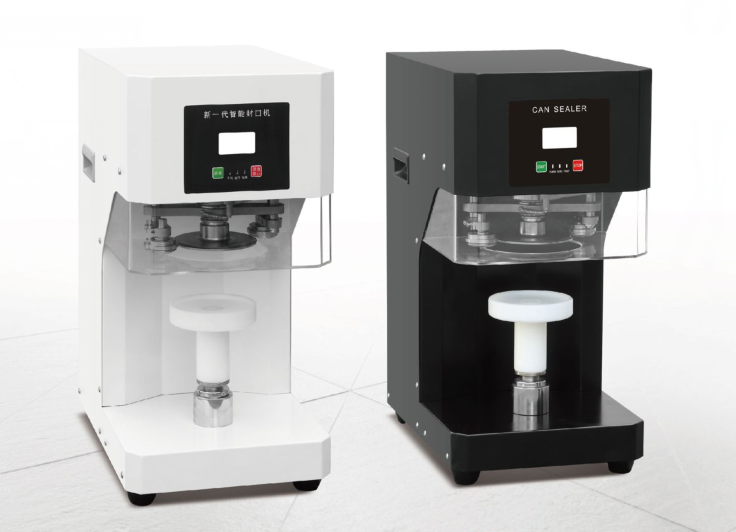
| Semi-Auto Encapsulator | Under 500 BPM | Pilot runs, R&D facilities |
Sourcing complex packaging lines requires rigorous supplier vetting. Let us help you identify the right machinery partner for your production needs.
Talk to our teamManufacturing Standards and Sanitary Design
The difference between premium and sub-standard encapsulation machinery often lies in the metallurgy and sanitary design. All product-contact parts must be constructed from SS316L stainless steel, while SS304 is acceptable for the external frame. The machine must support Clean-In-Place (CIP) protocols, meaning there can be no dead legs in the piping where bacteria can accumulate.
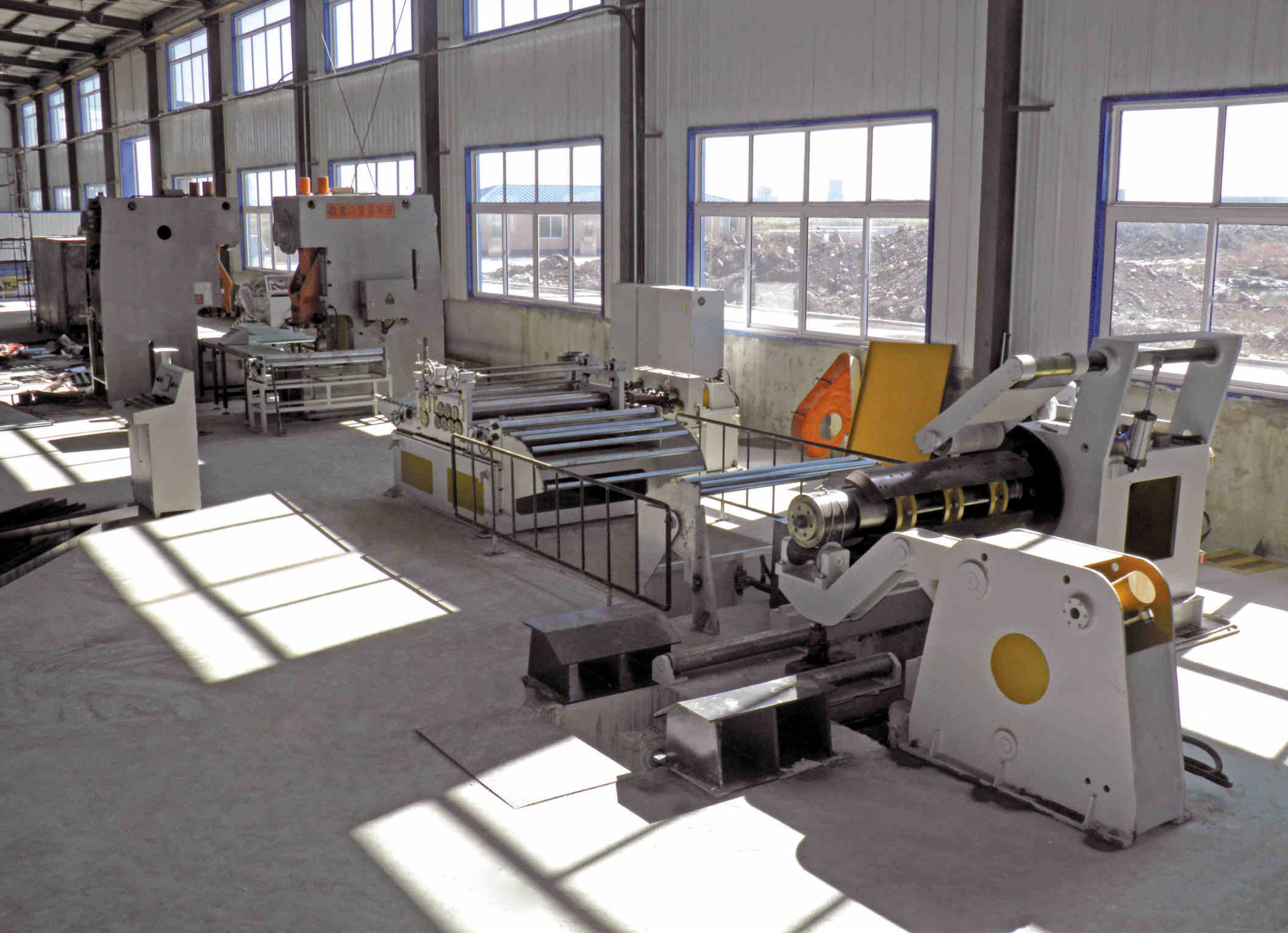
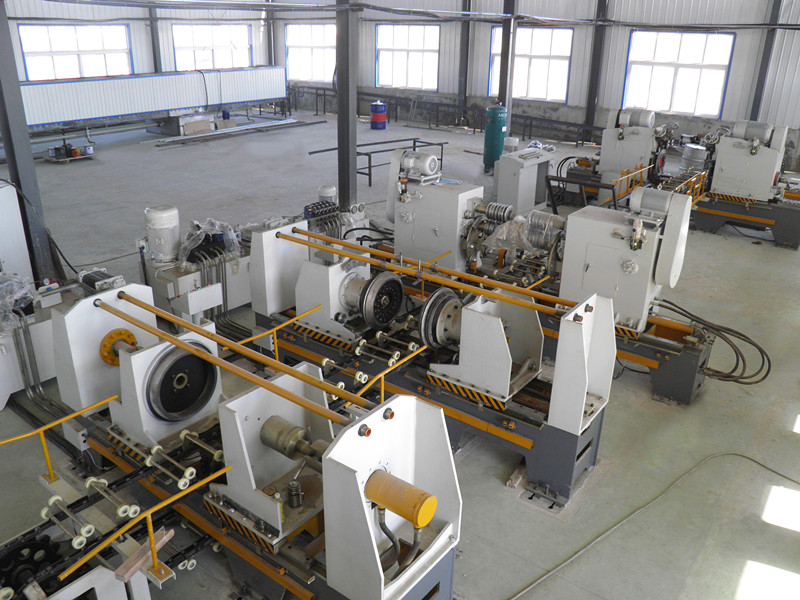
Relying on a supplier's marketing materials is insufficient when capital equipment is on the line. Conducting comprehensive Factory Audits is crucial to verify the manufacturer's in-house CNC machining capabilities, welding quality, and assembly protocols before a deposit is placed.
Factory Acceptance Test (FAT) Protocol
Never authorize shipment without a documented Factory Acceptance Test. This should be conducted using your exact containers and caps.
Critical FAT Inspection Points
- Continuous run test (minimum 4 to 8 hours without fault).
- CIP cycle verification, checking for proper drainage and no residue.
- Fill volume accuracy variance (must be under 1 percent across all valves).
- Gas pressure retention testing on sealed units.
- Torque or seam integrity checks on the encapsulated containers.
Catching a misaligned capping head or a faulty PLC program requires expert Quality Control & Inspection on the factory floor. Once the machine is crated and shipped, rectifying these issues becomes exponentially more expensive.
Procurement Realities: Pricing, Lead Times, and MOQs
Industrial packaging machinery is built to order. While standard models exist, they almost always require customization to fit specific container dimensions and factory layouts.
Pricing is driven by the level of automation, the number of filling valves/capping heads, and the origin of the pneumatic and electrical components. Upgrading from domestic Chinese pneumatics to Festo or SMC components will increase the initial cost but drastically reduce long-term maintenance downtime.
Planning a new beverage line? We manage the entire procurement cycle from technical specification to final shipment.
Get a free consultationFrequently Asked Questions
Sourcing inflatable beverage machines and encapsulation equipment is a capital-intensive process where technical precision is non-negotiable. By defining strict material standards, demanding globally recognized PLC components, and enforcing rigorous pre-shipment testing, you can secure reliable machinery that scales with your production. When you need to ensure the equipment arrives safely and clears customs without delay, leveraging professional Shipping & Freight management provides the final layer of security for your investment.
Get Sourcing Help for Inflatable Beverage Machines and Other Encapsulation Machines
Tell us your requirements and our experts will connect you with verified manufacturers.