Industrial Furnaces
Source high-performance industrial furnaces from vetted manufacturers and suppliers across Asia. Built for importers, industrial equipment distributors, and brands requiring OEM production, our wholesale sourcing solutions ensure you secure reliable, compliant metallurgy and heat-treatment equipment at competitive volume pricing.
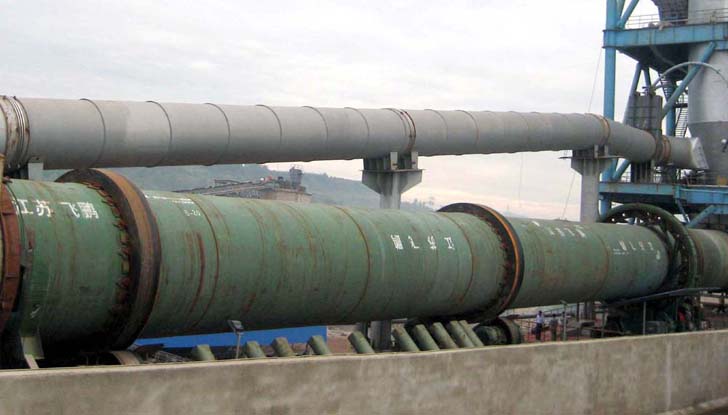
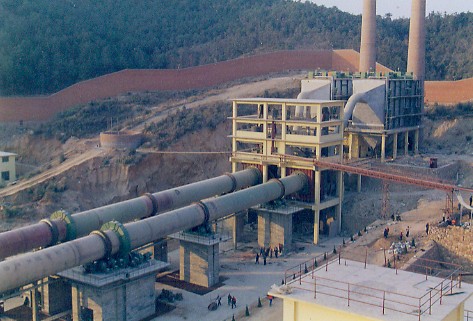
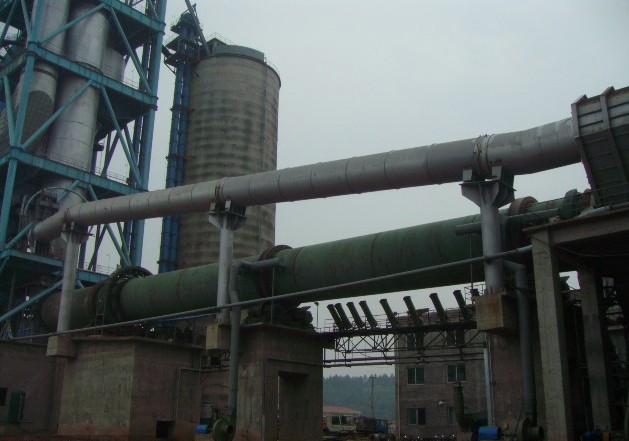
Sourcing industrial furnaces directly from overseas manufacturers requires navigating complex technical specifications, stringent safety standards, and heavy-duty logistics. Whether you are importing standard muffle furnaces for laboratory distribution or commissioning large-scale rotary tube furnaces for metallurgy, the supplier's engineering capability dictates the equipment's thermal efficiency, lifespan, and operational safety. Partnering with the right factory ensures your equipment meets local voltage requirements and regulatory compliance without compromising on margin.
Critical Specifications for Thermal Processing Equipment
When evaluating suppliers, their ability to consistently meet exact thermal and structural specifications is paramount. A furnace's performance relies heavily on the synergy between its heating elements, insulation, and control systems.
Key parameters you must define with your manufacturer include:
- Operating Temperatures: Differentiate clearly between the maximum temperature and the continuous operating temperature. A furnace rated for a maximum of 1700 degrees Celsius may only support continuous operation at 1600 degrees Celsius.
- Heating Elements: The choice of element directly impacts maximum temperature and maintenance cycles. Standard alloy wire is sufficient for applications up to 1200 degrees Celsius, while Silicon Carbide (SiC) and Molybdenum Disilicide (MoSi2) are required for temperatures reaching 1400 and 1800 degrees Celsius, respectively.
- Control Systems: Specify the required precision. Standard PID controllers are suitable for basic heating profiles, but complex metallurgy often requires programmable PLC systems with multi-segment heating and cooling curves.
- Atmosphere and Vacuum Capabilities: If the application requires inert gas purging (argon, nitrogen) or high-vacuum environments, the chamber sealing mechanisms and gas flow controllers must be specified and leak-tested at the factory.
| Insulation Material | Max Temperature | Thermal Mass | Primary Use Case |
|---|---|---|---|
| Ceramic Fiber Board | Up to 1800 C | Low (Fast heating/cooling) | Lab and batch furnaces |
| High-Alumina Refractory Brick | Up to 1700 C | High (Retains heat well) | Continuous heavy industrial use |
| Graphite Felt | Up to 2200 C (in vacuum) | Low | High-vacuum and specialized metallurgy |
Struggling to verify a manufacturer's engineering capabilities? Let us evaluate their technical specs and production history to ensure they meet your operational requirements.
Talk to our technical teamManufacturing Tolerances and Quality Control
The durability of an industrial furnace is won or lost on the factory floor. Poor welding can lead to vacuum leaks, while improper insulation installation results in cold spots and excessive energy consumption. Implementing stringent Quality Control & Inspection protocols during assembly is essential.
Factory-Level Inspection Points
- Thermocouple calibration against certified reference standards.
- Chamber temperature uniformity testing (mapping cold spots across multiple zones).
- Visual and dye-penetrant inspection of structural welds, especially on vacuum-sealed chambers.
- Verification of electrical safety, including grounding continuity and high-voltage dielectric withstand tests.
- Inspection of the outer shell temperature during peak internal heat to verify insulation efficacy.
If you are developing custom equipment or private-labeling standard models, leveraging professional OEM/ODM Services ensures that your specific modifications—such as custom chamber dimensions, localized UI languages on controllers, or branded enclosures—are executed flawlessly before mass production begins.
Pricing Drivers, MOQs, and Lead Times
Industrial furnaces are high-value, capital-intensive goods. As a result, sourcing dynamics differ significantly from standard consumer electronics or light machinery.
Managing Heavy Logistics
Because industrial furnaces feature heavy steel frames and dense refractory materials, shipping requires specialized handling. Many units exceed standard pallet dimensions and require custom crating. Coordinating Shipping & Freight early in the procurement process is vital, as heavy out-of-gauge equipment often necessitates flat-rack containers or LCL shipments with specific handling instructions to prevent damage to fragile heating elements during transit.
Need to optimize your landed costs? We manage the entire process from factory negotiation to heavy-freight logistics, ensuring your equipment arrives safely and on budget.
Get a sourcing consultationFrequently Asked Questions
Successfully importing industrial furnaces requires a rigorous approach to supplier vetting, technical specification, and pre-shipment quality assurance. By treating the procurement process as an engineering project rather than a simple transaction, you mitigate risks and secure equipment that delivers decades of reliable thermal performance.
Get Sourcing Help for Industrial Furnaces
Tell us your requirements and our experts will connect you with verified manufacturers.