Industrial Cooking Pots
Source commercial-grade industrial cooking pots from vetted manufacturers and suppliers across Asia. Designed for equipment importers, wholesale distributors, and food machinery brands seeking reliable OEM production, our network delivers high-capacity, food-safe processing equipment at scale.
Sourcing industrial cooking pots requires strict attention to thermal dynamics, material grades, and sanitary design standards. A misstep in jacket pressure ratings, agitator torque calculations, or weld polishing can lead to equipment failure, inefficient heating, or severe food safety compliance issues. For bulk buyers and machinery brands, identifying a factory capable of executing precise engineering specifications is the critical first step.
Core Specifications and Configurations
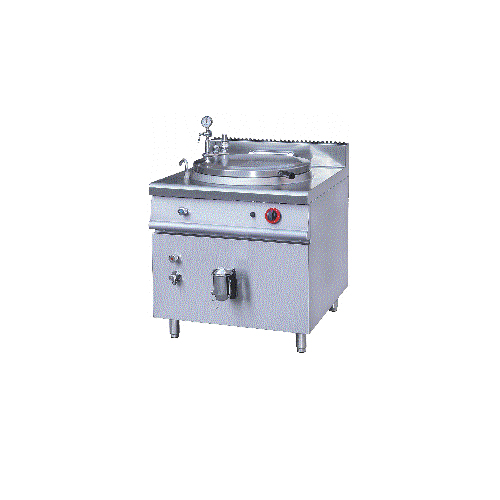
Industrial cooking pots (often referred to as jacketed kettles) are highly customizable based on the end-user's food processing requirements. When specifying your order, the heating mechanism and agitation style will dictate the factory's engineering approach.
| Heating Method | Thermal Ramp-Up | Infrastructure Needed | Ideal Application |
|---|---|---|---|
| Steam Jacketed | Rapid | External steam boiler | Large-scale continuous processing |
| Electric Thermal Oil | Gradual | Standard 3-phase power | High-temperature frying/boiling |
| Gas Heating | Immediate | Natural gas / LPG lines | High-heat searing and stews |
| Electromagnetic | Extremely Fast | High-capacity electrical | Energy-efficient precision cooking |
Beyond heating, specify the agitation requirements. High-viscosity products (like pastes or caramels) require planetary mixers with Teflon or PTFE wall-scraping blades to prevent burning. Ensure the factory sizes the motor and gearbox appropriately for the required torque.
Need to verify a factory's engineering capabilities before placing a large equipment order? Let our team assess their technical competence.
Talk to our machinery expertsManufacturing Quality and Sanitary Standards
The difference between a commercial-grade asset and a maintenance liability lies on the factory floor. Food and beverage machinery must adhere to strict sanitary standards, and the quality of stainless steel fabrication is paramount.
Critical Manufacturing Checkpoints
- Material Verification: Ensure wetted parts are SUS316L and structural parts are SUS304. Request material test reports.
- Weld Quality: All internal welds must be argon arc welded, ground smooth, and polished to a sanitary finish (Ra under 0.4 microns) to prevent bacterial harborage.
- Pressure Vessel Testing: Jacketed kettles must undergo hydrostatic pressure testing to ensure they can withstand rated working pressures without deformation or rupture.
- Electrical Components: Specify internationally recognized brands (e.g., Siemens, Schneider, Delta) for PLCs, inverters, and contactors to ensure local serviceability.
Validating these processes requires active oversight. Relying on Factory Audits before production begins ensures the manufacturer actually possesses the necessary pressure vessel certifications and fabrication machinery. During production, rigorous Quality Control & Inspection is necessary to verify weld finishes and conduct factory acceptance testing (FAT) before the equipment is crated.
Sourcing Mechanics: Pricing, MOQs, and Lead Times
Industrial cooking pots are capital equipment, meaning sourcing dynamics differ significantly from consumer goods. Volume discounts exist, but factory capacity and component availability heavily influence the supply chain.
Pricing is driven primarily by the capacity (ranging from 50L to over 1000L), the thickness of the stainless steel plates, and the level of automation (manual tilt vs. hydraulic tilt, basic push-button vs. full PLC touch-screen controls). If you are developing a proprietary line of equipment, utilizing OEM/ODM Services allows you to standardize these components across your entire catalog, ensuring consistent pricing and performance.
Looking to import industrial cooking pots in volume? We can help you negotiate favorable terms and manage the entire production schedule.
Get a sourcing consultationFrequently Asked Questions
Successfully sourcing industrial cooking pots requires balancing complex engineering requirements with strict sanitary compliance. By partnering with vetted manufacturers and maintaining tight oversight on fabrication quality, importers can secure reliable, high-performance machinery that meets the demands of modern food processing facilities.
Get Sourcing Help for Industrial Cooking Pots
Tell us your requirements and our experts will connect you with verified manufacturers.