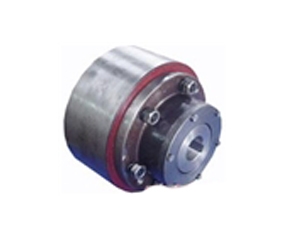
Industrial Brakes
Source industrial brakes in bulk from vetted manufacturers and suppliers. Designed for importers, wholesalers, distributors, and heavy machinery brands, this catalog offers reliable wholesale and OEM production options to meet rigorous performance and safety standards.
Sourcing industrial brakes requires balancing stopping power, thermal capacity, and cycle longevity. Because these components are often mission-critical for heavy machinery, cranes, conveyors, and wind turbines, a failure can result in catastrophic downtime or safety hazards. Finding a reliable manufacturer capable of consistent friction material bonding and precise actuation tolerances is the primary challenge for volume buyers navigating the overseas supply chain.
Key Technical Specifications for Volume Sourcing
When procuring industrial brakes in bulk, defining exact operational parameters is essential. Factories need precise specifications to match the right friction materials and actuation mechanisms to your application.
The three primary actuation methods dictate the brake's response time, torque capacity, and maintenance profile.
| Actuation Type | Response Time | Torque Capacity | Maintenance Profile |
|---|---|---|---|
| Electromagnetic | Very Fast | Low to Medium | Low (fewer moving parts) |
| Hydraulic | Moderate | Very High | High (fluid checks, seal wear) |
| Pneumatic | Fast | Medium to High | Medium (air line integrity) |
Beyond actuation, you must clearly specify:
- Dynamic vs. Static Torque: Dynamic torque (stopping a moving load) requires significantly higher thermal dissipation capabilities than static torque (holding a stationary load).
- Thermal Capacity (kW or HP): The amount of heat the brake can dissipate continuously without experiencing brake fade.
- Maximum RPM: The highest rotational speed the brake can safely handle before centrifugal forces risk damaging the friction linings or rotor.
- Environmental Protection: IP ratings for dust and water ingress, especially critical for marine, mining, or outdoor crane applications.
Need help matching your technical specifications to a vetted manufacturer's capabilities?
Talk to our teamManufacturing Processes and Quality Vulnerabilities
The integrity of an industrial brake relies heavily on the factory's casting, machining, and material bonding processes. When evaluating a supplier, their internal quality management systems dictate whether the brakes will perform consistently across a batch of thousands.
If you are pursuing custom designs or private labeling through OEM/ODM Services, pay close attention to the following manufacturing stages:
Critical Factory Evaluation Points
- Friction Material Bonding: Verify the adhesive application and curing process. Poor bonding leads to delamination under high heat.
- Housing Casting Quality: Check for porosity in cast iron or steel housings, which can compromise structural integrity under load.
- Spring Fatigue Testing: For fail-safe (spring-applied) brakes, ensure the factory conducts rigorous lifecycle testing on compression springs.
- Machining Tolerances: Rotors and armatures must be machined perfectly flat to ensure full surface contact and prevent uneven wear.
Because industrial brakes are safety-critical components, relying solely on a factory's self-reported data is risky. Implementing strict Quality Control & Inspection protocols, including pre-shipment dynamic torque testing, is essential before containers are loaded. Furthermore, conducting comprehensive Factory Audits prior to placing your first order ensures the supplier has the necessary testing rigs (such as inertia dynamometers) on-site.
Wholesale Pricing, MOQs, and Lead Times
Pricing for industrial brakes is driven by the cost of raw materials (cast iron, steel, copper for coils), the complexity of the actuation mechanism, and the grade of the friction material (e.g., standard organic vs. sintered metallic).
For standard off-the-shelf industrial brakes, suppliers generally require lower MOQs. However, if you require specific mounting flanges, custom coil voltages, or proprietary friction pad shapes, expect higher MOQs to amortize the setup and tooling costs.
Looking for competitive pricing and reliable suppliers for your next bulk order?
Get a free consultationFrequently Asked Questions
Successfully importing industrial brakes requires more than just finding the lowest price per unit. It demands a rigorous approach to supplier vetting, precise specification management, and uncompromising quality control to ensure the components perform safely under extreme industrial conditions.
Get Sourcing Help for Industrial Brakes
Tell us your requirements and our experts will connect you with verified manufacturers.