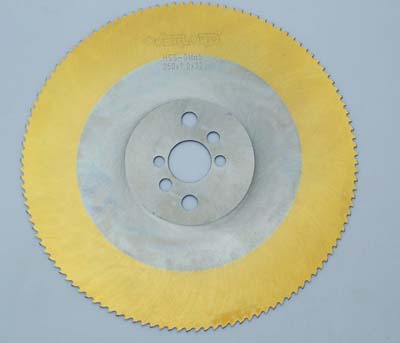
Industrial Blades
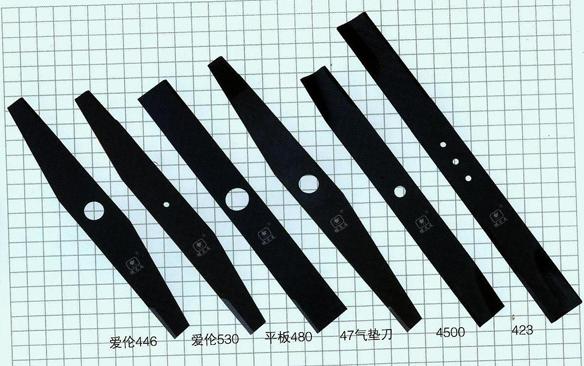
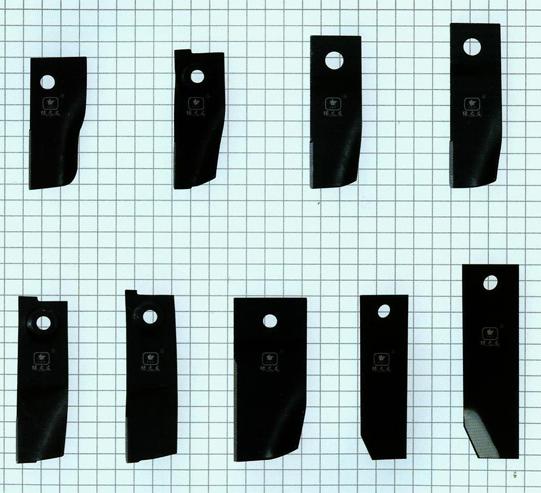
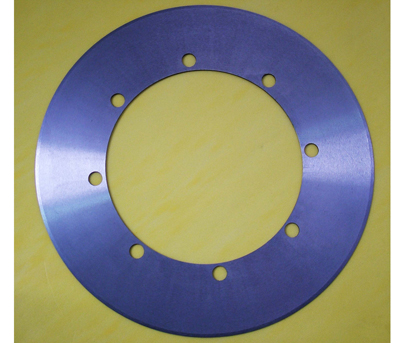
Source high-performance Industrial Blades in bulk directly from vetted manufacturers and suppliers. Designed for importers, industrial distributors, and brands requiring reliable OEM and private-label production, our network delivers precision-engineered cutting solutions built for demanding applications.
Sourcing industrial blades in volume requires a strict focus on metallurgical integrity, precise edge geometry, and consistent heat treatment. Whether you are supplying the packaging, converting, plastics, or food processing industries, a blade's performance dictates machine uptime. The sourcing challenge lies in identifying manufacturers that do not just stamp out steel, but possess the advanced grinding and tempering capabilities required for high-cycle industrial environments.
Material Selection and Hardness Profiling
The foundation of any industrial blade is its material grade. Selecting the correct steel or alloy is a continuous balancing act between wear resistance (edge retention), toughness (resistance to chipping under impact), and corrosion resistance. Buyers must clearly specify the required Rockwell Hardness (HRC) range, as acceptable tolerances here are narrow.
| Material Grade | Typical HRC | Primary Industrial Application | Key Trade-off |
|---|---|---|---|
| SK5 High Carbon | 55 to 60 | Packaging, general cutting | Cost-effective, but prone to corrosion |
| 440C Stainless | 58 to 60 | Food processing, medical | High corrosion resistance, lower edge retention than tool steels |
| D2 Tool Steel | 60 to 62 | Plastics, heavy converting | Excellent wear resistance, lower toughness (brittle if thin) |
| M2 High Speed Steel (HSS) | 62 to 65 | Metalworking, high-friction | Maintains hardness at high temperatures, high raw material cost |
| Tungsten Carbide | 70 to 80+ | Film slitting, abrasives | Extreme lifespan, highly brittle and requires specialized grinding |
Need a manufacturer capable of holding tight tolerances on custom tool steel profiles? Let's discuss your specifications.
Talk to our teamThe Critical Role of Heat Treatment and Grinding
A high-grade alloy is easily ruined by poor thermal management. Heat treatment dictates the final microstructure of the blade. Evaluating a supplier's in-house heat treatment facility, or their specialized subcontractors, is a primary focus during comprehensive factory audits.
Blanking and Profiling
Using laser cutting or precision stamping depending on material thickness and volume. Edge distortion must be minimized here.
Vacuum Heat Treatment
Crucial for preventing surface oxidation and decarburization. Proper tempering cycles dictate the final balance of hardness and toughness.
Cryogenic Treatment (Optional)
Deep freezing high-alloy steels to convert retained austenite to martensite, improving dimensional stability and wear resistance.
CNC Edge Grinding
Multi-axis grinding to establish the exact bevel angle. Coolant flow is critical to prevent micro-cracking or localized annealing on the edge.
Defining Tolerances and Quality Protocols
In high-speed machinery, dimensional inaccuracies in a blade cause vibration, poor cuts, and accelerated wear. Implementing rigorous quality control at the factory level ensures that the blades arriving at your facility are ready for immediate mounting.
Critical QC Checkpoints for Industrial Blades
- Dimensional accuracy: Overall length, width, and thickness tolerances (often ±0.02mm to ±0.05mm depending on application).
- Edge geometry: Verification of primary and secondary bevel angles using optical comparators.
- Hardness testing: Rockwell (HRC) or Vickers (HV) testing at multiple points to ensure uniform heat treatment.
- Surface finish: Profilometer testing for Ra values, critical for reducing friction and material build-up.
- Straightness and flatness: Checking for warping post-heat treatment, essential for precision machine mounting.
Production Economics: MOQs, Tooling, and Lead Times
When importing blades wholesale, understanding the cost drivers helps in negotiating effectively. For standard profiles, factories often have existing tooling. However, for brands utilizing OEM/ODM services for proprietary blade designs, custom stamping dies and dedicated grinding fixtures will require an upfront investment.
Ready to optimize your blade sourcing strategy and reduce unit costs without sacrificing edge life?
Get a free consultationFrequently Asked Questions
Sourcing industrial blades effectively means looking past the basic unit price and deeply evaluating the supplier's metallurgical competence and quality systems. A cheaper blade that causes premature machine downtime will always cost more in the long run. Partnering with experienced sourcing professionals ensures your specifications are met with precision on every order.
Get Sourcing Help for Industrial Blades
Tell us your requirements and our experts will connect you with verified manufacturers.