Induction Cooker Parts
Source wholesale induction cooker parts from vetted manufacturers and suppliers in China. Designed for importers, appliance distributors, and brands seeking reliable OEM/ODM production, our network delivers high-quality PCBAs, copper coils, and components for assembly or aftermarket repair.
Sourcing induction cooker parts in volume requires strict attention to thermal management, electrical safety, and component compatibility. A failure in a single IGBT (Insulated-Gate Bipolar Transistor) or a poorly wound heating coil can lead to cascading failures in the final appliance. For buyers managing assembly lines or large-scale aftermarket distribution, securing a stable supply of consistent, high-tolerance components is the difference between a profitable product line and a costly recall.
Critical Specifications for Core Components
Induction heating relies on precise electromagnetic fields and rapid power switching. When specifying parts to your manufacturer, clarity on material grades and component origins is non-negotiable.
Printed Circuit Board Assemblies (PCBA)
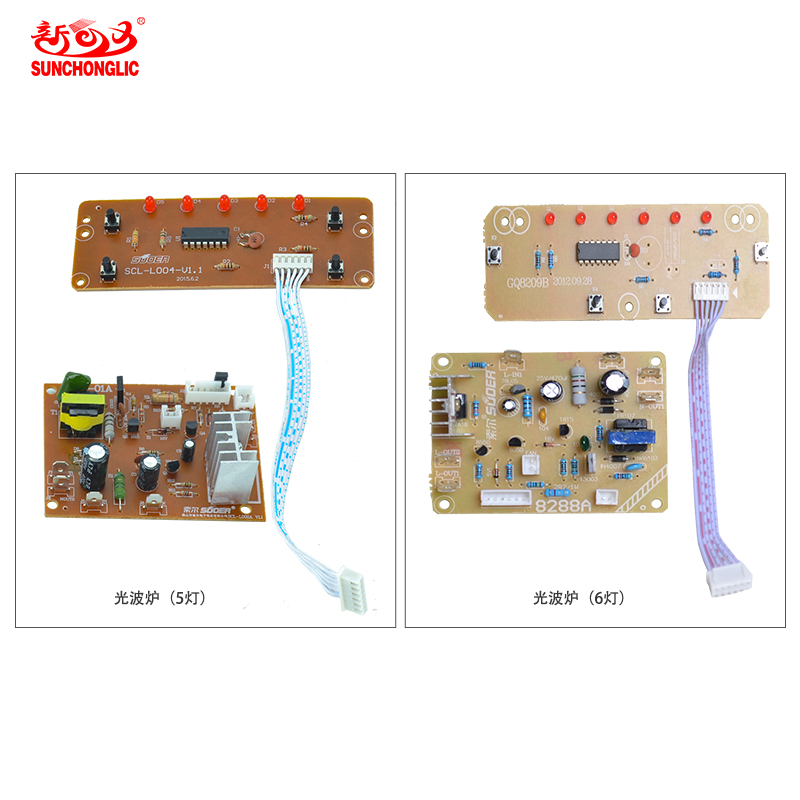
The mainboard and control board act as the brain of the cooker. The most critical component on the PCBA is the IGBT, which handles the high-frequency switching. Premium boards utilize imported IGBTs (such as Infineon or Siemens), while budget boards use domestic alternatives. You must also specify the EMC (Electromagnetic Compatibility) filtering components; inadequate capacitors or chokes will cause the unit to fail CE or FCC emissions testing.
Heating Coils
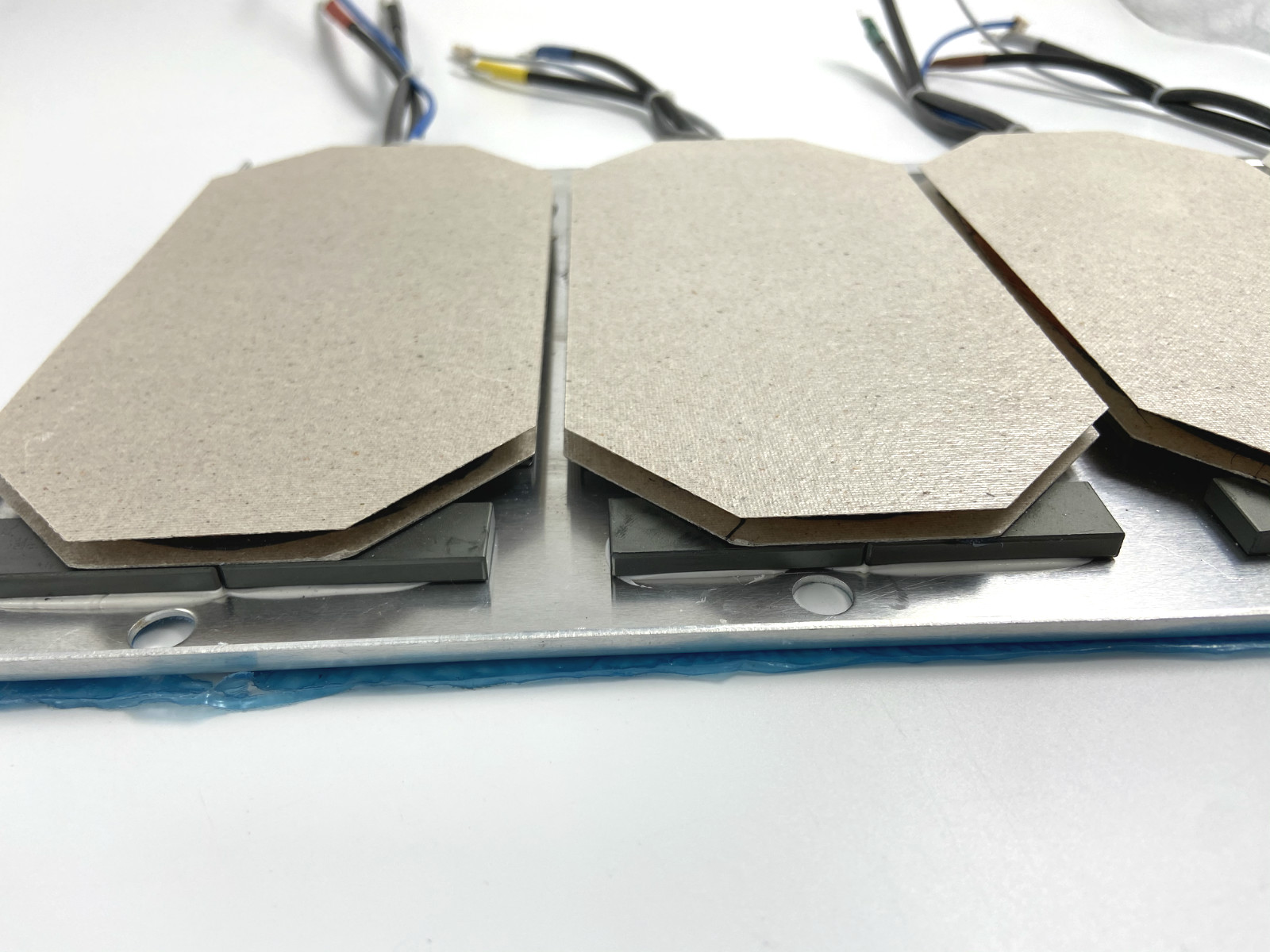
The induction coil dictates heating efficiency and longevity. The primary decision here is the wire material, which drastically impacts both performance and unit cost.
| Coil Material | Thermal Efficiency | Lifespan | Typical Application |
|---|---|---|---|
| Pure Copper | Excellent | Over 10,000 hours | Commercial & Premium Consumer |
| Copper-Clad Aluminum (CCA) | Moderate | 3,000 to 5,000 hours | Entry-level / Budget |
Glass-Ceramic Plates
The top plate must withstand extreme thermal shock and mechanical impact. Standard specifications require a thickness of 4mm and the ability to endure sudden temperature drops of up to 700 degrees Celsius without fracturing.
Struggling with inconsistent component quality? Let us help you identify and vet suppliers capable of meeting strict technical tolerances.
Talk to our teamManufacturing Tolerances and Quality Control
The primary manufacturing hubs for induction cooker parts are concentrated in Guangdong province, particularly around Zhongshan and Shunde. While the supply chain here is vast, the variance in factory capability is immense.
Many assembly issues stem from factories substituting lower-grade components mid-production. A common corner-cutting tactic is reducing the size of the aluminum heat sink attached to the IGBT, which inevitably leads to thermal overload and premature failure. Preventing this requires rigorous factory audits before production begins, ensuring the supplier has the necessary automated SMT (Surface-Mount Technology) lines and proper component sourcing channels.
Once production is underway, implementing strict quality control & inspection protocols is essential.
Essential Factory-Floor QC Checks
- Dielectric strength (High-Pot) testing on all PCBAs to ensure electrical isolation.
- Verification of IGBT brand and batch numbers to prevent counterfeit component insertion.
- Aging tests (minimum 4 to 8 hours) under maximum load to identify early thermal failures.
- Coil inductance and resistance measurements to ensure consistent electromagnetic output.
- Visual inspection of solder joints on high-current pathways.
If you are developing a proprietary appliance, utilizing OEM/ODM services allows you to customize the control board logic, display interfaces, and coil dimensions to fit unique housing designs. However, custom parts require thorough validation to ensure they meet the regulatory standards of your target market.
Buying Mechanics: Pricing, MOQs, and Lead Times
Understanding the mechanics of the component supply chain helps in negotiating better terms and planning production schedules.
Pricing for induction cooker parts is highly volatile and directly tied to two factors: the LME copper index (for coils) and the global semiconductor market (for IGBTs and microcontrollers). When requesting quotes, always ask suppliers to state the validity period of the price, as copper fluctuations can alter coil costs by 5 to 10 percent within a single month.
Need to stabilize your component pricing and lead times? Partner with us to streamline your supply chain and negotiate better factory terms.
Get a free consultationFrequently Asked Questions
Securing reliable induction cooker parts at scale is an exercise in risk management. By clearly defining your technical specifications, auditing sub-tier component sourcing, and enforcing strict aging tests, you can eliminate the thermal and electrical failures that plague lower-tier appliances.
Get Sourcing Help for Induction Cooker Parts
Tell us your requirements and our experts will connect you with verified manufacturers.