Inductance Components
Source high-quality Inductance Components from vetted suppliers and manufacturers. Designed for importers, electronics wholesalers, and brands requiring OEM or private-label production, our network delivers reliable, bulk-priced components optimized for power management, RF, and EMI filtering applications.
Sourcing inductance components in volume requires navigating a highly fragmented supply base. While China remains the global hub for passive electronic components, the variance in factory capability is vast. The difference between a tier-one manufacturer and a lower-tier assembler often comes down to core material sourcing, winding precision, and the rigor of their testing protocols. For high-volume buyers, securing a reliable supply chain means looking past the spec sheet and understanding how these components are actually built and validated on the factory floor.
Critical Specifications for Volume Sourcing
When engaging with manufacturers, simply specifying the inductance value (e.g., 4.7µH) and tolerance is insufficient. Factory-level cost engineering often targets the copper wire and core material, which directly impacts thermal performance and saturation limits. You must explicitly define and verify the following parameters to ensure the components perform reliably under load.
- DC Resistance (DCR): The resistance of the wire winding. Lower DCR minimizes power loss and heat generation, but requires thicker wire or flat-wire winding, which increases material costs and component footprint.
- Saturation Current (Isat): The DC current at which the inductance drops by a specified percentage (typically 20 percent or 30 percent). Be vigilant: some suppliers manipulate this spec by testing at lower ambient temperatures.
- RMS Current (Irms): The continuous current that causes a specific temperature rise (usually 40°C) above ambient.
- Self-Resonant Frequency (SRF): The frequency at which the inductor stops acting as an inductor and becomes capacitive. Crucial for RF and high-frequency DC-DC converter applications.
| Parameter Focus | Signal/RF Inductors | Power Inductors |
|---|---|---|
| Core Material | Ceramic or Ferrite | Iron Powder or Metal Alloy |
| Key Metric | High Q-Factor, High SRF | Low DCR, High Isat |
| Winding Type | Fine wire, often multilayer | Thick wire or flat edge-wound |
Manufacturing Controls and Factory Capabilities
The reliability of an inductance component is won or lost during the winding and encapsulation processes. Automated winding machines ensure consistent tension, which keeps the DCR stable across a batch. Manual winding—still common in some facilities for large, custom chokes—introduces variability that can lead to hot spots and premature failure.
When evaluating a new supplier, it is highly recommended to utilize formal Factory Audits to verify their production infrastructure. Look for automated winding lines, vacuum impregnation for varnished coils (to prevent audible noise and improve insulation), and in-house core pressing capabilities.
Struggling with inconsistent component performance across batches? Let us audit your current suppliers and establish rigid quality control standards.
Get a free consultationQuality Control Checkpoints
To prevent defective batches from leaving the factory, your inspection protocol must go beyond visual checks. A robust Quality Control & Inspection plan for inductors should include:
Pre-Shipment Inspection Requirements
- LCR Meter Verification: 100% automated testing of Inductance and DCR on the production line.
- Bias Current Testing: Verifying Isat using a DC bias current source.
- Solderability Testing: Ensuring terminal plating meets IPC/JEDEC standards, critical for automated SMT lines.
- Thermal Shock Testing: Cycling components to ensure molding and core materials do not crack under stress.
For brands requiring custom form factors or specific thermal profiles, engaging a partner for OEM/ODM Services ensures that custom tooling and winding profiles are strictly protected and manufactured to your exact tolerances.
Pricing Drivers, MOQs, and Lead Times
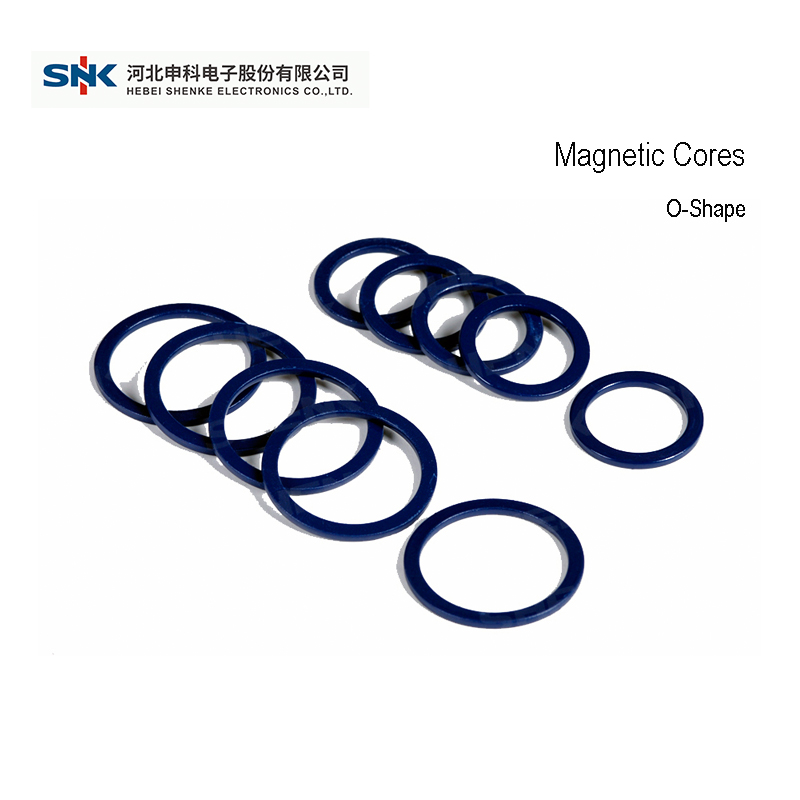
The pricing of inductance components is highly sensitive to raw material costs—specifically copper and the specific powders used for magnetic cores. Metal alloy powder cores, which offer superior saturation characteristics for high-current applications, command a premium over standard ferrite cores.
When negotiating bulk contracts, be aware that suppliers may quote aggressively by planning to use lower-grade core materials or thinner copper wire. Fixing the exact bill of materials (BOM) in your purchasing agreement is non-negotiable.
Need to stabilize your component pricing and secure reliable lead times? We negotiate directly with top-tier manufacturers on your behalf.
Talk to our teamFrequently Asked Questions
Successfully sourcing inductance components at scale requires a deep understanding of both electromagnetic principles and Asian manufacturing realities. By enforcing strict material specifications and maintaining visibility into the factory's testing protocols, buyers can secure a reliable supply of critical components while optimizing their procurement spend.
Get Sourcing Help for Inductance Components
Tell us your requirements and our experts will connect you with verified manufacturers.