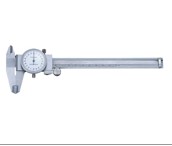
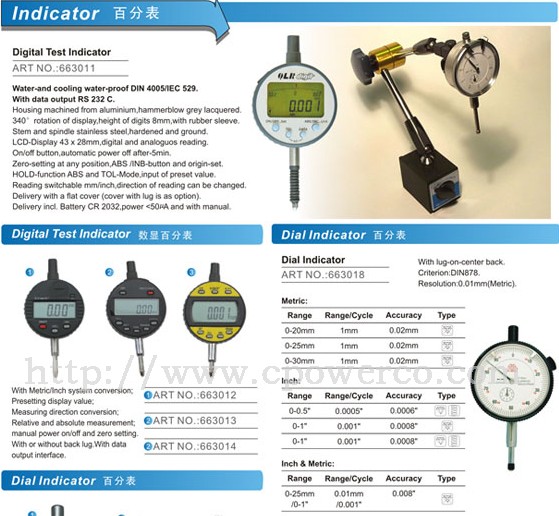
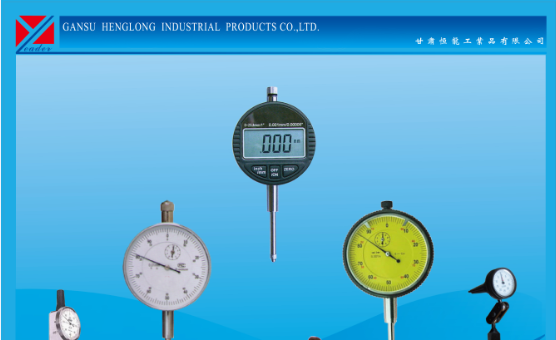
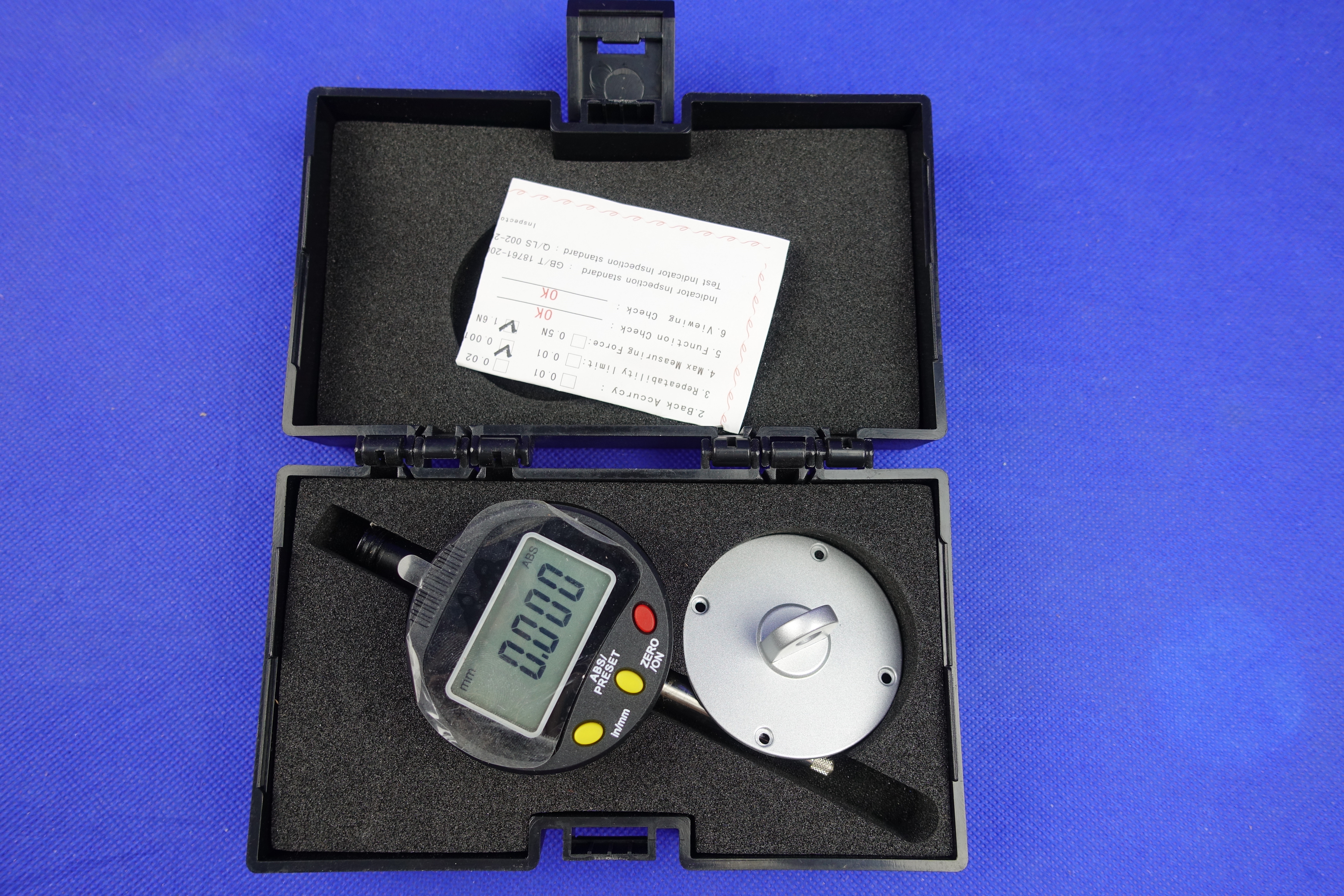
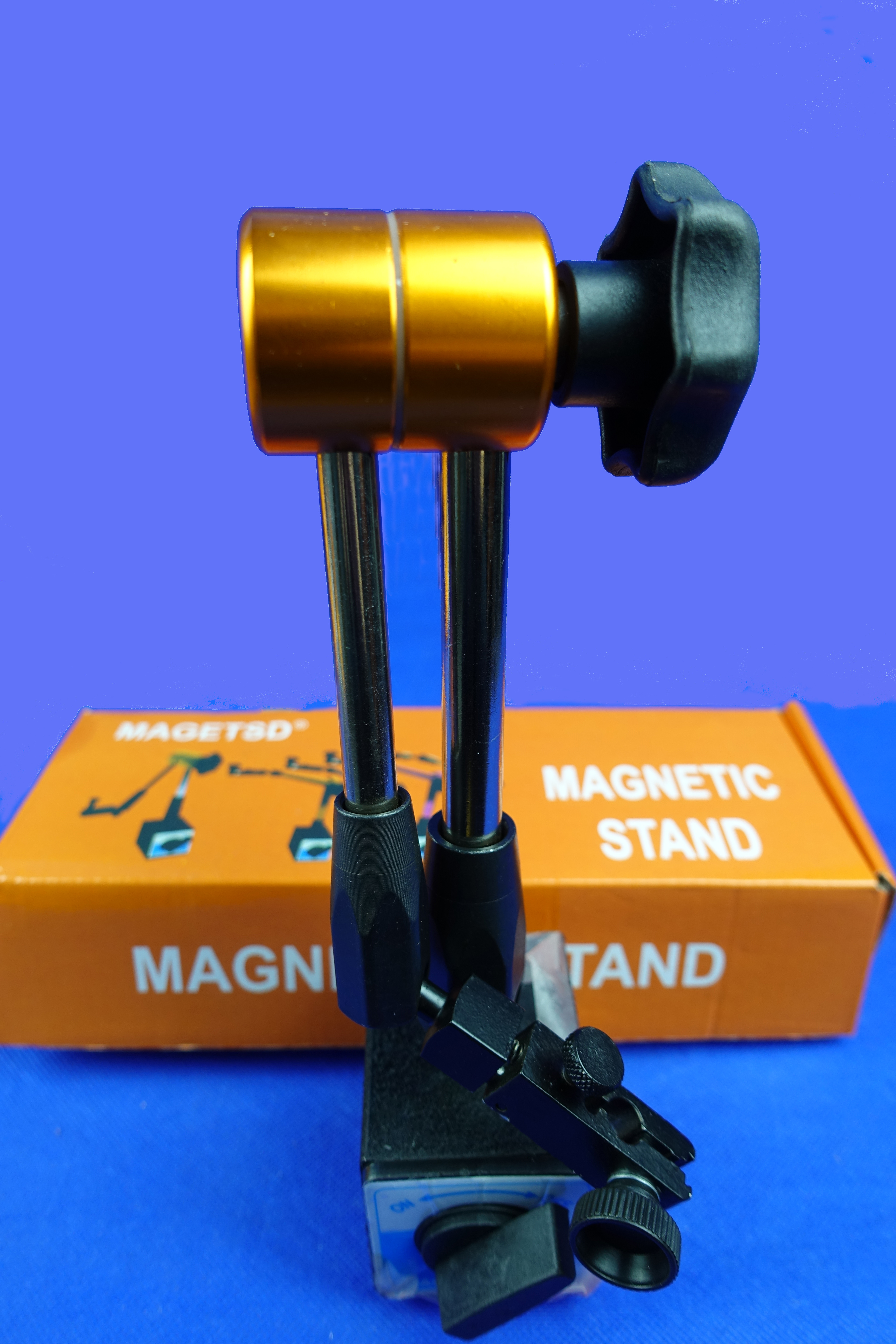
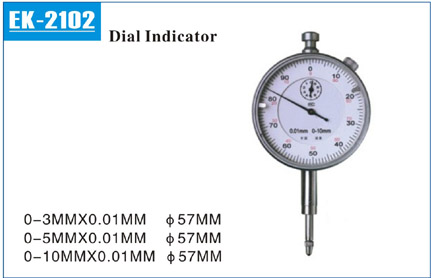
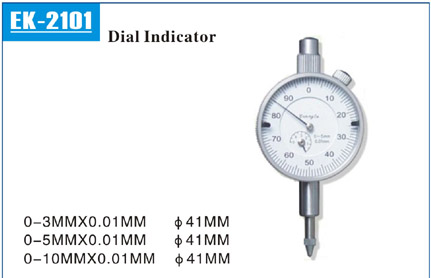
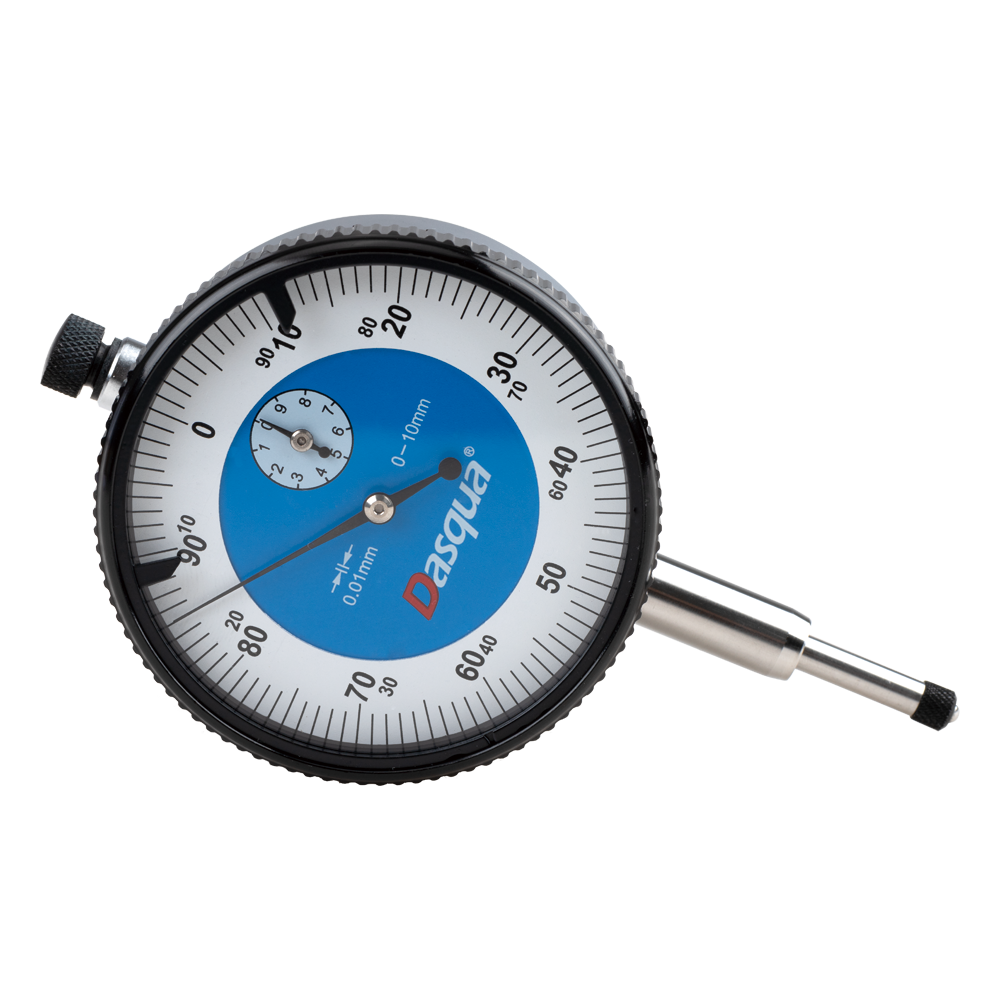
Indicators
Source precision indicators from vetted suppliers and manufacturers across Asia. Designed for industrial importers, tool wholesalers, and brands seeking reliable OEM/ODM production, our factory-direct network delivers bulk measuring and gauging tools that meet strict international accuracy standards.
Sourcing precision measuring instruments like indicators requires strict oversight and technical alignment with your manufacturing partners. A deviation of just a few microns in a dial or digital indicator can compromise an end-user's entire production run. When importing these tools in bulk, the primary challenge is not finding a supplier; it is finding a factory whose thousandth unit is just as accurate, repeatable, and durable as their golden sample.
Critical Specifications for Bulk Procurement
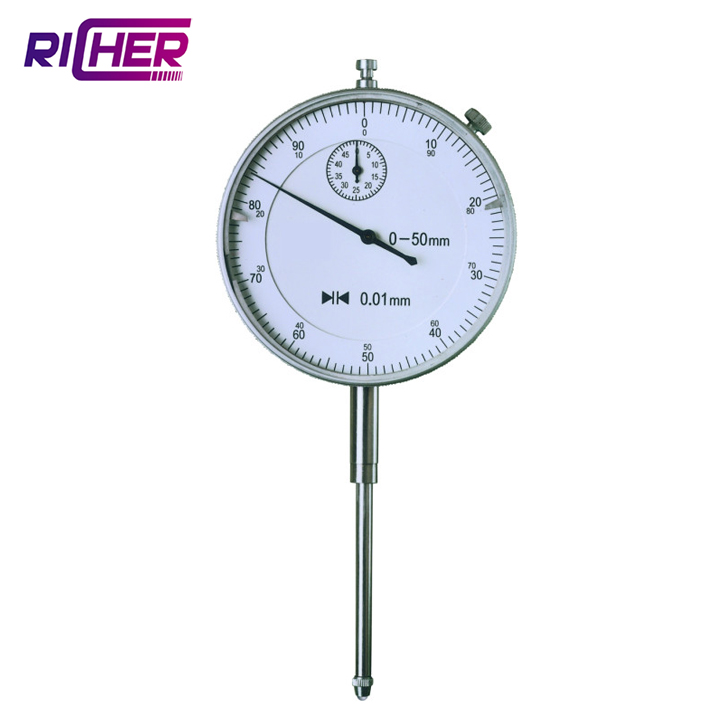
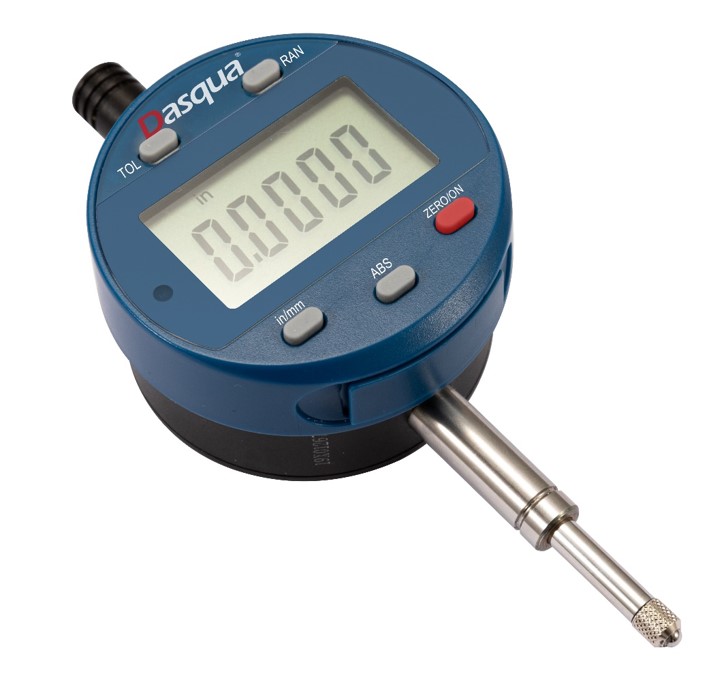
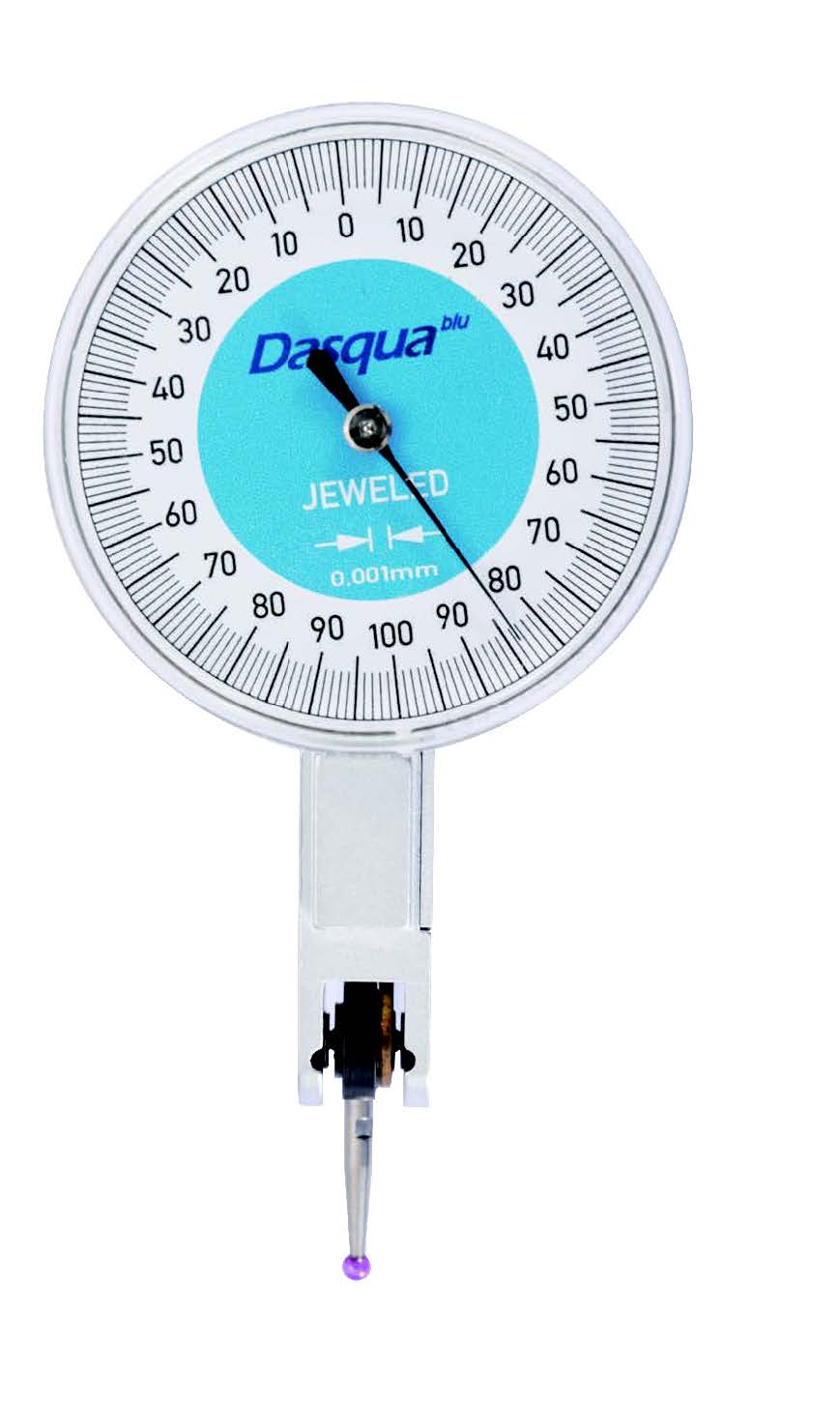
Whether you are sourcing mechanical dial indicators or digital test indicators, clearly defining the technical specifications on your purchase order is the only way to prevent costly misunderstandings.
- Resolution and Accuracy: Do not confuse the two. A digital indicator may have a resolution of 0.001mm, but an overall accuracy of ±0.004mm. Ensure your supplier defines both metrics according to recognized standards (such as DIN 878 for dial indicators).
- Measuring Range: Standard ranges typically span 0–10mm, 0–25mm, or 0–50mm. Longer ranges require exceptionally precise rack gears to maintain accuracy across the entire travel distance.
- Ingress Protection (IP Rating): For digital indicators used in CNC machining environments, IP54 (splash-proof) is often insufficient. Buyers supplying industrial markets should specify IP65 or IP67 ratings to protect internal electronics from cutting fluids and metal dust.
- Stem and Contact Point: The standard stem diameter is usually 8mm (ISO) or 3/8-inch (AGD). Contact points should be interchangeable and manufactured from tungsten carbide or hardened steel for wear resistance.
Need help verifying a factory's calibration capabilities? Ensure your next batch meets strict international tolerances.
Talk to our teamManufacturing Tolerances and Quality Control
The true cost of an indicator is determined by its internal components. Low-tier manufacturers often cut corners in areas that are invisible from the outside but drastically reduce the tool's lifespan and reliability.
Mechanical Dial Indicators
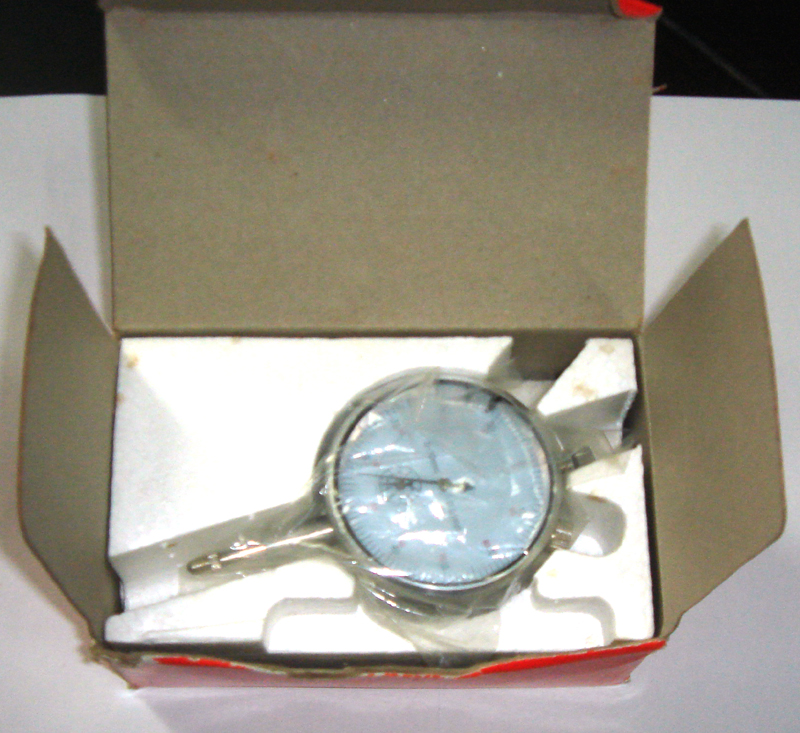
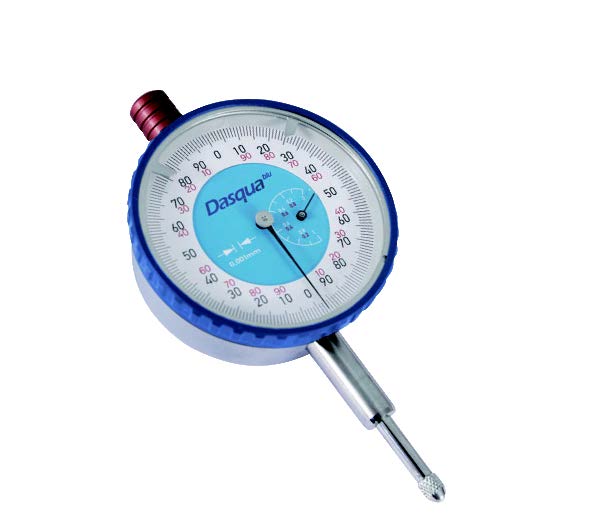
The heart of a dial indicator is its rack and pinion gear system. High-quality manufacturers use precision-cut brass or stainless steel gears and mount the pivot points on jeweled bearings (usually synthetic ruby). This reduces friction, ensures a smooth sweep of the needle, and provides high repeatability. Budget suppliers may use unjeweled brass bearings or even plastic internal components, leading to "sticky" movement and rapid wear.
Digital Indicators
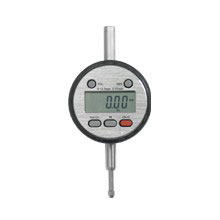
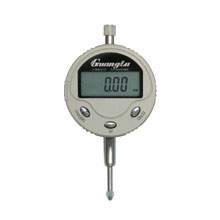
Digital models rely on capacitive or inductive linear encoders. Poorly manufactured capacitive scales are highly susceptible to coolant ingress, which causes the screen to flicker, lose its zero point, or display erratic readings ("ghosting"). Upgrading to inductive sensors or heavily sealed capacitive units is highly recommended for industrial applications.
To verify these internal components before mass production begins, conducting thorough Factory Audits is essential. You must confirm that the supplier has a temperature-controlled assembly room and uses high-grade master gauges for calibration.
| Component Factor | Standard Grade | Industrial Grade |
|---|---|---|
| Bearings (Dial) | Brass or bronze bushings | Jeweled bearings (synthetic ruby) |
| Gears | Stamped brass | Precision-machined stainless steel |
| Digital Sensor | Standard capacitive | Inductive or sealed capacitive |
| Housing | Plastic or thin zinc alloy | Machined aluminum or heavy-duty steel |
Sourcing Mechanics: MOQs, Lead Times, and Pricing
Understanding the commercial realities of indicator manufacturing in Asia will help you negotiate better terms and plan your supply chain effectively.
- Minimum Order Quantities (MOQs): For off-the-shelf models with basic laser-engraved branding, MOQs typically range from 300 to 500 units per SKU. If you require custom dial faces, specific pantone housing colors, or proprietary PCB designs for data output, expect MOQs to start at 1,000 to 2,000 units.
- Lead Times: Standard production runs require 30 to 45 days. However, if your order involves custom tooling for a new housing design, add an additional 20 to 30 days for mold creation and sample approval.
- Pricing Drivers: The cost of an indicator scales rapidly with its accuracy class and environmental sealing. An IP67-rated digital indicator with SPC data output will cost significantly more than a basic IP40 digital model. Similarly, jeweled mechanical movements carry a premium over standard brass bushings.
If you are developing a proprietary measuring tool for your brand, leveraging professional OEM/ODM Services allows you to dictate the exact materials, sensor types, and data protocols (such as RS232 or Bluetooth integration) used in your product.
Compare factory-direct pricing for standard and custom OEM indicators.
Get a free consultationFrequently Asked Questions
Securing Your Supply Chain
Successfully importing precision indicators requires a deep understanding of manufacturing tolerances and a rigorous approach to supplier selection. A factory's ability to produce a flawless sample is meaningless if they lack the internal quality systems to replicate that precision across thousands of units. By implementing strict Quality Control & Inspection protocols directly on the factory floor, you can ensure that every tool you import meets the exacting standards your customers demand.
Get Sourcing Help for Indicators
Tell us your requirements and our experts will connect you with verified manufacturers.