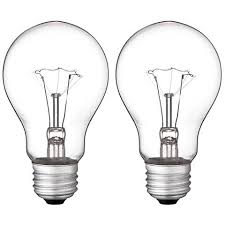
Incandescent Lamps
Source high-quality incandescent lamps directly from vetted manufacturers and suppliers. Designed for importers, wholesalers, distributors, and lighting brands seeking reliable OEM and private-label production. Secure bulk orders with consistent quality, competitive pricing, and strict compliance for your target markets.
While general-service incandescent lighting has faced regulatory phase-outs globally, the demand for specialty, industrial, appliance, and decorative "Edison-style" incandescent lamps remains robust. Sourcing these at scale requires navigating complex market regulations, ensuring precise filament construction, and managing high-volume automated production runs to maintain viable margins.
Critical Technical Specifications
When negotiating with manufacturers, the longevity and performance of an incandescent lamp come down to raw material purity and structural integrity. Buyers must strictly define these specifications on their Purchase Orders (POs) to avoid receiving substandard, short-lived bulbs.
- Tungsten Filament Grade: The purity of the tungsten and the precision of the coiling (single vs. coiled-coil) dictate the lamp's luminous efficacy and lifespan. Lower-grade tungsten sags under high heat, leading to premature failure.
- Gas Fill Mixture: Standard vacuum bulbs are common for low wattage, but higher wattage lamps require an inert gas fill—typically a precise ratio of argon to nitrogen. The gas pressure must be carefully calibrated to retard tungsten evaporation without causing excessive heat transfer to the glass envelope.
- Glass Envelope Thickness: Decorative and industrial lamps require thicker glass (often exceeding 0.6mm) to withstand vibration, thermal shock, and transit stress.
Need to verify a supplier's automated production lines and quality systems before committing to a high-volume order?
Talk to our teamManufacturing Quality and Defect Control
Incandescent lamp manufacturing is a highly automated, high-speed process. A single calibration error on the factory floor can result in thousands of defective units before the issue is caught. Validating a factory's internal testing protocols through rigorous Factory Audits is essential.
The most critical failure points occur during the vacuum sealing and base cementing stages. If the exhaust tube is not sealed perfectly, oxygen enters the envelope, causing the filament to burn out instantly upon activation. Similarly, improper curing of the basing cement leads to loose bases when torque is applied during installation.
Key Pre-Shipment Inspection Points
- Torque testing on bases (E26/E27/B22) to ensure cement integrity.
- Visual inspection for filament sag or misaligned support wires.
- Verification of gas fill purity and vacuum seal integrity.
- Thermal shock testing for appliance and industrial-grade lamps.
- Drop testing of retail packaging to simulate transit stress.
Implementing independent Quality Control & Inspection before the container is loaded is the only reliable way to catch high-speed manufacturing variances.
Base Materials: Brass vs. Aluminum
The choice of base material significantly impacts both the unit cost and the long-term reliability of the lamp, especially in humid or industrial environments.
| Base Material | Corrosion Resistance | Relative Cost | Ideal Application |
|---|---|---|---|
| Nickel-Plated Brass | Excellent | Premium | Industrial, Outdoor, Marine |
| Standard Brass | Good | Moderate | High-End Decorative |
| Aluminum | Low to Moderate | Economical | Standard Indoor Dry Use |
Buying Mechanics: MOQs, Lead Times, and Pricing
Because production relies on high-speed glass blowing and automated assembly lines, factories require substantial volume to justify setting up a run.
Pricing is heavily commodity-driven, fluctuating with the costs of raw tungsten, brass, and industrial glass. For brands utilizing OEM/ODM Services to create custom vintage shapes (like ST64, T45, or G95) or specific amber glass tints, expect higher MOQs and slightly longer initial lead times for mold setup and color matching.
Navigating specialty lighting regulations and factory minimums doesn't have to drain your internal resources.
Get a free consultationFrequently Asked Questions
Sourcing incandescent lamps today requires precision. Success depends on partnering with specialized factories that understand the strict regulatory exemptions and maintain rigorous quality control over their high-speed assembly lines. Ensure your supply chain is built on verified technical capability rather than just the lowest quoted price.
Get Sourcing Help for Incandescent Lamps
Tell us your requirements and our experts will connect you with verified manufacturers.