Ice Makers
Source high-quality ice makers from vetted manufacturers and suppliers across Asia. Built for importers, appliance distributors, and brands seeking reliable OEM and private-label production, our network delivers bulk manufacturing solutions tailored to your market's exact specifications and compliance standards.
Sourcing ice makers at volume requires navigating a complex intersection of refrigeration mechanics, water sanitation standards, and electrical compliance. Whether you are stocking retail shelves with compact countertop units or supplying robust machines for light commercial use, the core challenge remains the same: ensuring consistent ice production without early compressor failure, refrigerant leaks, or water pump degradation.
Critical Specifications for Volume Sourcing
An ice maker's reliability is entirely dependent on its internal architecture. When evaluating factory prototypes or standard catalog models, buyers must look beyond the external housing and specify the exact internal components.
The compressor and the evaporator dictate both the speed of ice production and the lifespan of the unit. Standardizing on reputable compressor brands (such as Huayi or Donper for household units) reduces RMA rates significantly. Additionally, the type of ice your market demands will dictate the mechanical complexity of the machine.
| Ice Shape | Evaporator Style | Typical Cycle Time |
|---|---|---|
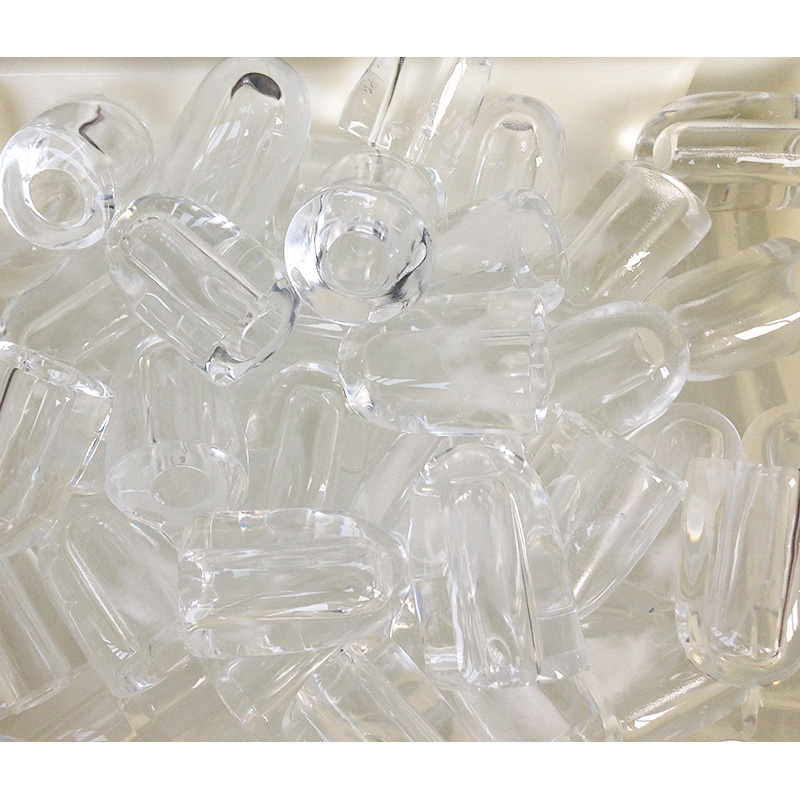
| Bullet Ice | Fingered (Nickel-plated copper) | 6 to 9 minutes |
| Clear Cube | Grid (Vertical water flow) | 12 to 15 minutes |
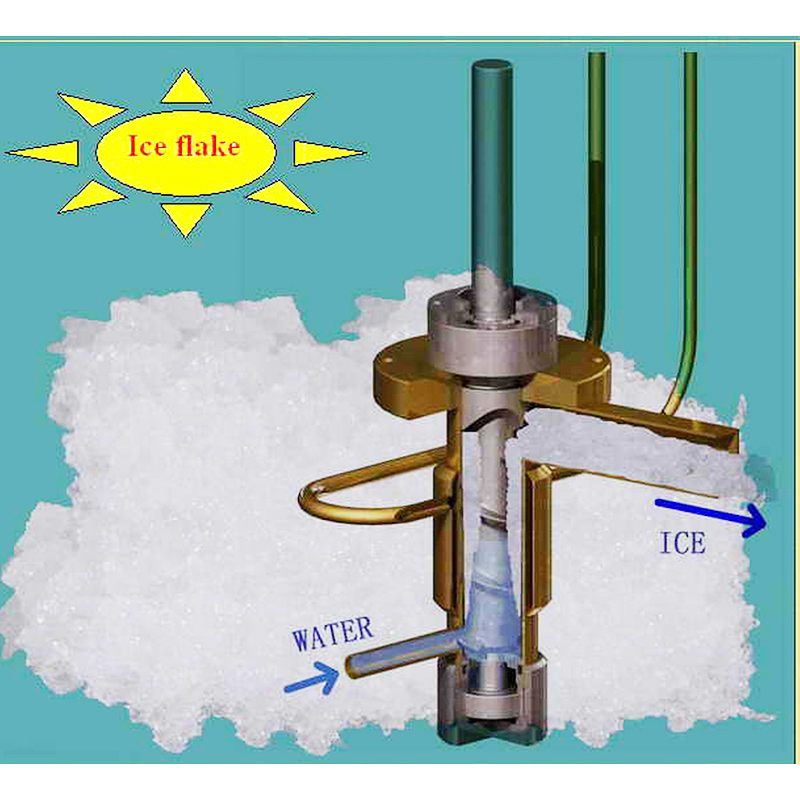
| Nugget (Pellet) | Auger / Extruder mechanism | Continuous (after 10 mins) |
For refrigerants, R600a has become the global standard for household ice makers due to its thermodynamic efficiency and low environmental impact, while R290 is often specified for higher-capacity units. Ensure your supplier is utilizing cyclopentane insulation in the housing; poor insulation forces the compressor to run continuously to keep the ice bin cold, leading to premature burnout.
Need help standardizing specifications across multiple factory partners? We can align your technical requirements with the right suppliers.
Talk to our teamManufacturing Tolerances and Defect Prevention
Ice makers operate in wet, vibrating, and thermally fluctuating environments. This makes them highly susceptible to assembly errors. A common failure point in bullet ice makers is the nickel plating on the fingered evaporator. If the factory uses poor electroplating techniques, the nickel will flake off into the water basin, exposing the copper underneath and rendering the unit unfit for food contact.
Similarly, infrared bin-full sensors must be precisely calibrated and shielded from condensation. If moisture clouds the sensor, the machine will falsely read the bin as full and halt production.
Critical Factory QC Checkpoints
- Refrigerant circuit leak detection using halogen sniffers prior to sealing.
- Compressor noise and vibration testing (typically required to be under 55dB).
- Evaporator plating adhesion tests to prevent heavy metal leaching.
- Water pump endurance testing under high-mineral (hard water) conditions.
- Infrared and temperature sensor calibration in high-humidity chambers.
Implementing rigorous Quality Control & Inspection during the assembly process—specifically checking the brazing of copper tubes and the sealing of the refrigerant loop—is non-negotiable. Furthermore, because these appliances handle consumables, verifying Compliance & Testing for food-contact materials (like FDA or LFGB standards for the ABS plastic basin and water lines) is just as critical as electrical safety certifications (CE, UL, or ETL).
Standard MOQs, Lead Times, and Pricing Drivers
Navigating the commercial realities of ice maker production requires understanding how factories structure their pricing and production runs.
Pricing is primarily driven by three factors:
- Compressor Origin: Name-brand compressors add cost but drastically reduce failure rates.
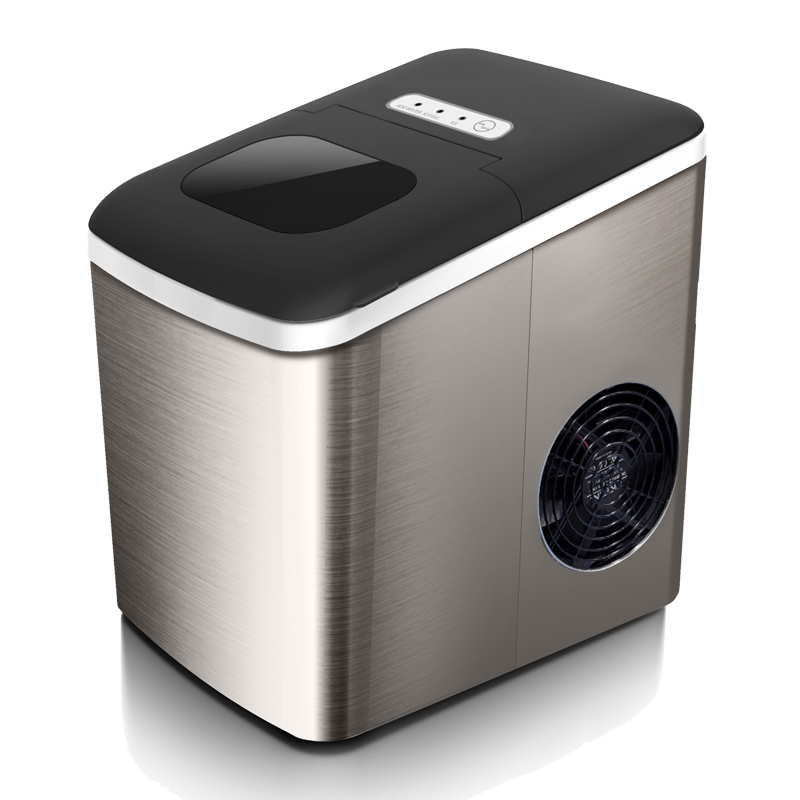
- Housing Material: 304 Stainless steel enclosures cost significantly more than injection-molded ABS plastic, but are required for premium market positioning.
- Control Boards: Custom PCBAs for smart connectivity (Wi-Fi/App integration) require higher upfront NRE (Non-Recurring Engineering) fees.
If you are developing a custom housing or unique control interface, leveraging professional OEM/ODM Services ensures that tooling costs are negotiated fairly and that the intellectual property remains protected.
Struggling to negotiate favorable MOQs or transparent BOM pricing? Let our sourcing experts evaluate your current factory quotes.
Get a free consultationFrequently Asked Questions
Securing a reliable supply chain for ice makers means looking past the polished showroom models and evaluating the factory's engineering discipline on the assembly line. Conducting thorough Factory Audits before placing a deposit is the most effective way to ensure your supplier has the technical capability to deliver consistent, safe, and compliant refrigeration appliances.
Get Sourcing Help for Ice Makers
Tell us your requirements and our experts will connect you with verified manufacturers.