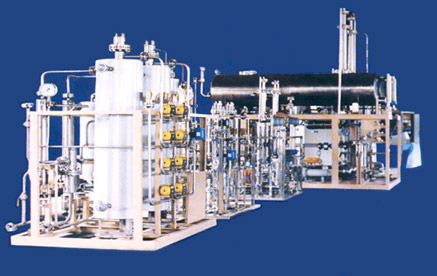
Hydrogen Generators
Source commercial and industrial hydrogen generators from vetted manufacturers and wholesale suppliers. Built for energy distributors, industrial procurement managers, and renewable technology brands looking for reliable OEM or private-label production.
Sourcing industrial hydrogen generators requires strict alignment on gas purity, flow capacities, and operational safety. Because these units handle highly volatile gases under pressure, a minor flaw in cell assembly, membrane integration, or electrical control can compromise efficiency and create severe safety hazards. Successfully importing these systems at scale means looking past the spec sheet and verifying the manufacturer's engineering capabilities and quality management systems on the factory floor.
Core Technologies: PEM vs. Alkaline
When negotiating with suppliers, you must specify the core electrolysis technology, as this dictates the manufacturing process, the bill of materials, and the final application suitability.
Proton Exchange Membrane (PEM) generators are highly responsive and produce extremely pure hydrogen, making them ideal for laboratory, medical, and high-tech industrial applications. Alkaline generators, while older technology, are highly durable and cost-effective for large-scale, continuous industrial output.
| Specification | PEM Technology | Alkaline Technology |
|---|---|---|
| Typical Purity | Up to 99.9999% | 99.8% to 99.999% |
| Operating Pressure | High (up to 30 bar or more) | Moderate (usually under 15 bar) |
| Electrolyte | Solid polymer membrane | Liquid potassium hydroxide (KOH) |
| Response Time | Rapid (minutes) | Slower (hours for cold start) |
Manufacturing Vulnerabilities and Quality Control
The reliability of a hydrogen generator is won or lost in the assembly of the electrolysis stack and the integrity of the pressure vessels. Assessing a supplier requires a deep dive into their production environment.
Electrode Coating and Assembly
In PEM systems, the application of platinum or iridium catalysts to the membrane must be perfectly uniform. Inconsistent coating leads to hot spots, reduced efficiency, and premature stack failure.
Pressure Vessel Welding
Gas separation units and storage tanks must be welded by certified technicians. Welds must undergo non-destructive testing (NDT), such as X-ray or ultrasonic inspection, to detect microscopic voids.
Leak and Pressure Testing
Completed units must be tested at pressures significantly higher than their rated operating pressure. Helium leak testing is standard practice to ensure absolute containment.
Control System Calibration
Sensors for pressure, temperature, and hydrogen concentration must be rigorously calibrated. Failure here compromises the automated safety shutdowns.
Because safety is paramount, relying solely on a supplier's self-reported quality data is risky. Implementing rigorous Quality Control & Inspection protocols, including in-line testing and pre-shipment verification, is essential to ensure every unit meets your specified safety margins before it leaves the factory.
Need help verifying supplier technical capabilities and factory safety standards? Get a free consultation on vetting manufacturers for high-purity hydrogen systems.
Talk to our teamCompliance and Safety Certifications
Hydrogen generators must comply with stringent international standards. When vetting suppliers, verify that their products meet ISO 22734 (Hydrogen generators using water electrolysis process). Depending on your target market, you will also need CE marking (Pressure Equipment Directive and ATEX for explosive atmospheres) or UL/CSA certifications for North America.
Do not accept generic certificates. Ensure the specific model you are purchasing has been tested by a recognized third-party laboratory. Engaging experts in Compliance & Testing early in the sourcing process prevents costly customs rejections and liability issues.
Sourcing Mechanics: MOQs, Lead Times, and Pricing
The market for hydrogen generators spans from compact laboratory units to massive, containerized industrial plants. Consequently, purchasing terms vary wildly based on scale and customization.
Pricing is primarily driven by the capacity (measured in normal cubic meters per hour, or Nm3/h), the purity requirement, and the chosen technology. PEM systems command a premium due to the cost of noble metal catalysts and specialized membranes. If you are developing a proprietary system or require specific branding and localized control panels, utilizing professional OEM/ODM Services ensures your specifications are correctly translated into the final build.
Managing complex equipment imports and custom OEM builds? Speak with our sourcing experts about streamlining your procurement process.
Get a free consultationWhen procuring hydrogen generators in bulk, the upfront unit cost is only one part of the equation. Total cost of ownership—driven by stack lifespan, maintenance requirements, and electrical efficiency—determines the true value of the equipment. Partnering with verified manufacturers who prioritize rigorous engineering and component quality is the most effective way to secure long-term reliability for your energy infrastructure projects.
Get Sourcing Help for Hydrogen Generators
Tell us your requirements and our experts will connect you with verified manufacturers.