Hydrocarbons & Derivatives
Source bulk hydrocarbons and derivatives directly from vetted manufacturers and chemical synthesis facilities. Designed for industrial importers, chemical distributors, and procurement managers, our network provides high-purity basic organic chemicals at competitive wholesale prices, ensuring strict compliance and safe international transport.
Sourcing hydrocarbons and their derivatives from Asian manufacturers requires balancing aggressive pricing with uncompromising purity standards. Whether you are procuring aliphatic compounds, aromatics, or functionalized derivatives for downstream synthesis, the margin for error in basic organic chemicals is practically zero. Unwanted trace isomers, unexpected heavy metals, or high moisture content can compromise your entire downstream production process.
Navigating this category requires a deep understanding of chemical specifications, hazardous goods logistics, and the realities of the petrochemical supply chain.
Defining Your Chemical Specifications
When purchasing basic organic chemicals in bulk, a generic product name is never sufficient. Suppliers often produce multiple grades of the same hydrocarbon derivative (e.g., industrial grade, reagent grade, or pharmaceutical intermediate grade). You must clearly define the parameters on your Purchase Order to avoid receiving off-spec material.
Critical Specifications for Hydrocarbon Derivatives
- Purity and Assay: Specify the exact minimum purity (e.g., 99.5% min) and the required analytical method, typically Gas Chromatography (GC) or High-Performance Liquid Chromatography (HPLC).
- Isomer Ratios: For derivatives with multiple structural isomers, specify the acceptable percentage limits for unwanted isomers.
- Moisture Content: Define maximum allowable water content in parts per million (ppm), usually verified via Karl Fischer titration.
- Color and Appearance: Specify maximum APHA/Pt-Co color values to ensure the product has not degraded or oxidized.
- Trace Impurities: Set strict limits for heavy metals, sulfur compounds, or unreacted precursors.
Relying solely on the factory's Certificate of Analysis (COA) carries inherent risk. Smart buyers utilize independent compliance and testing services to draw samples and verify the chemical composition at a third-party laboratory prior to shipment.
Struggling to verify the true purity and production capabilities of overseas chemical suppliers? Let us handle the technical vetting and quality control.
Talk to our teamEvaluating Chemical Manufacturers
The Asian chemical market is heavily populated with trading companies posing as direct manufacturers. While traders can offer smaller Minimum Order Quantities (MOQs), buying direct from the synthesis plant is essential for volume procurement, traceability, and consistent quality.
When conducting factory audits on chemical suppliers, focus on their infrastructure and quality management systems. Look for modern, automated Distributed Control Systems (DCS) rather than manual reactor controls. Assess their distillation columns—the height and theoretical plates dictate their ability to separate closely boiling isomers and achieve high purity. Furthermore, verify their environmental compliance; factories lacking proper wastewater and VOC (Volatile Organic Compound) treatment facilities are highly susceptible to sudden government shutdowns, threatening your supply chain.
Packaging and Hazardous Material Logistics
Hydrocarbons and their derivatives frequently fall under Dangerous Goods (DG) classifications due to flammability, toxicity, or environmental hazards. The packaging you select impacts both product stability and shipping costs.
| Packaging Type | Typical Volume | Best Used For | Logistics Impact |
|---|---|---|---|
| ISO Tanks | 20 to 24 Metric Tons | Bulk liquids, high-volume continuous supply | Lowest cost per kg; requires specialized unloading infrastructure. |
| IBC Totes | 1,000 Liters | Mid-volume liquid derivatives | Easier handling with standard forklifts; higher packaging cost per kg. |
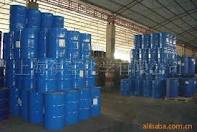
| Steel/Plastic Drums | 200 to 220 Liters | Viscous liquids, high-value specialty derivatives | Maximum flexibility for distribution; lowest space efficiency in containers. |
Transporting these materials requires strict adherence to IMDG (International Maritime Dangerous Goods) codes. Securing vessel space for DG cargo is more complex than standard freight, requiring accurate Safety Data Sheets (SDS) and specialized shipping and freight forwarding expertise to prevent port delays or customs rejections.
Pricing, MOQs, and Lead Times
Hydrocarbon pricing is notoriously volatile, intrinsically linked to global crude oil and naphtha indices. When negotiating long-term contracts, professional buyers often structure pricing formulas tied to these indices rather than locking in fixed prices that suppliers may abandon if raw material costs spike.
Need reliable hazmat logistics and stable pricing for your bulk chemical orders? Our supply chain experts can optimize your procurement.
Get a free consultationProcuring bulk hydrocarbons and derivatives is a high-stakes process where technical precision and logistical execution are just as important as unit pricing. Success requires rigorous supplier vetting, independent purity verification, and flawless hazardous materials handling.
Get Sourcing Help for Hydrocarbons & Derivatives
Tell us your requirements and our experts will connect you with verified manufacturers.