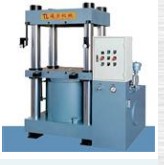
Hydraulic Presses
Source industrial-grade hydraulic presses from vetted manufacturers and suppliers in China and across Asia. Designed for importers, machinery wholesalers, and manufacturing brands, our network provides reliable OEM and custom press solutions for metal forming, molding, and assembly in volume.
Sourcing heavy machinery like hydraulic presses requires rigorous attention to frame rigidity, hydraulic system reliability, and precision control. Whether you are importing standardized benchtop models for distribution or commissioning custom high-tonnage presses for industrial end-users, the margin for manufacturing error is virtually zero. Success depends on clearly defining technical specifications and ensuring the factory has the heavy machining capabilities to deliver.
Critical Specifications to Define
When negotiating with machinery manufacturers, vague specifications lead to underpowered or inaccurate equipment. You must explicitly define the structural and operational parameters before production begins.
- Tonnage Capacity: The maximum force exerted, typically ranging from 10 tons for benchtop assembly to over 2,000 tons for deep drawing. Specify if the tonnage must be adjustable and over what range.
- Stroke Length & Daylight: Stroke length dictates the maximum ram travel, while daylight (open height) determines the maximum vertical space between the ram and the bolster plate.
- Platen Dimensions: The working area. Specify the T-slot dimensions and layout to ensure compatibility with standard tooling.
- Approach & Pressing Speeds: Fast approach speeds improve cycle times, while controlled pressing speeds ensure material integrity during forming.
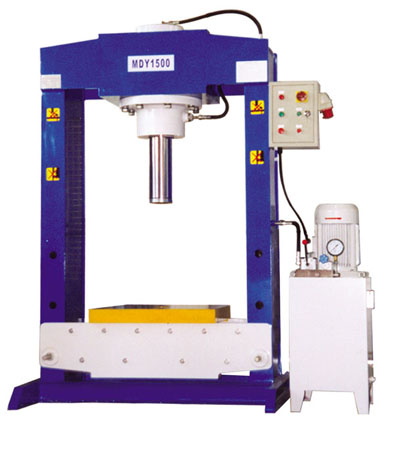
| Frame Architecture | Primary Advantage | Typical Rigidity | Best For |
|---|---|---|---|
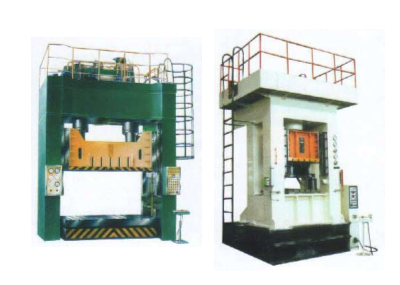
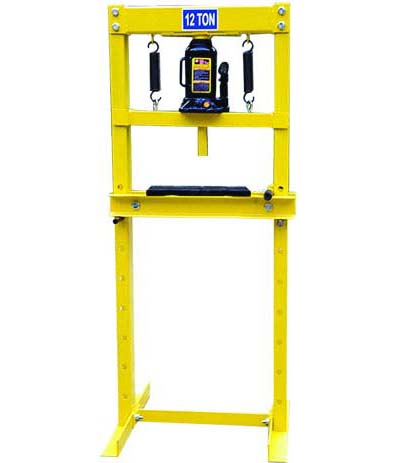
| C-Frame (Gap Frame) | 3-sided access for tooling | Moderate (subject to deflection) | Assembly, staking, light stamping |
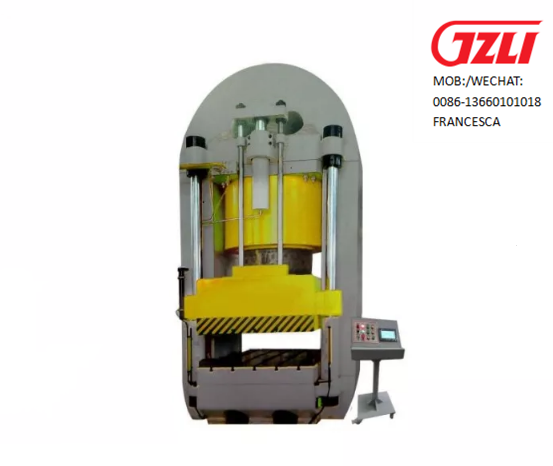
| H-Frame (Straight Side) | High structural integrity | Excellent | Heavy stamping, deep drawing |
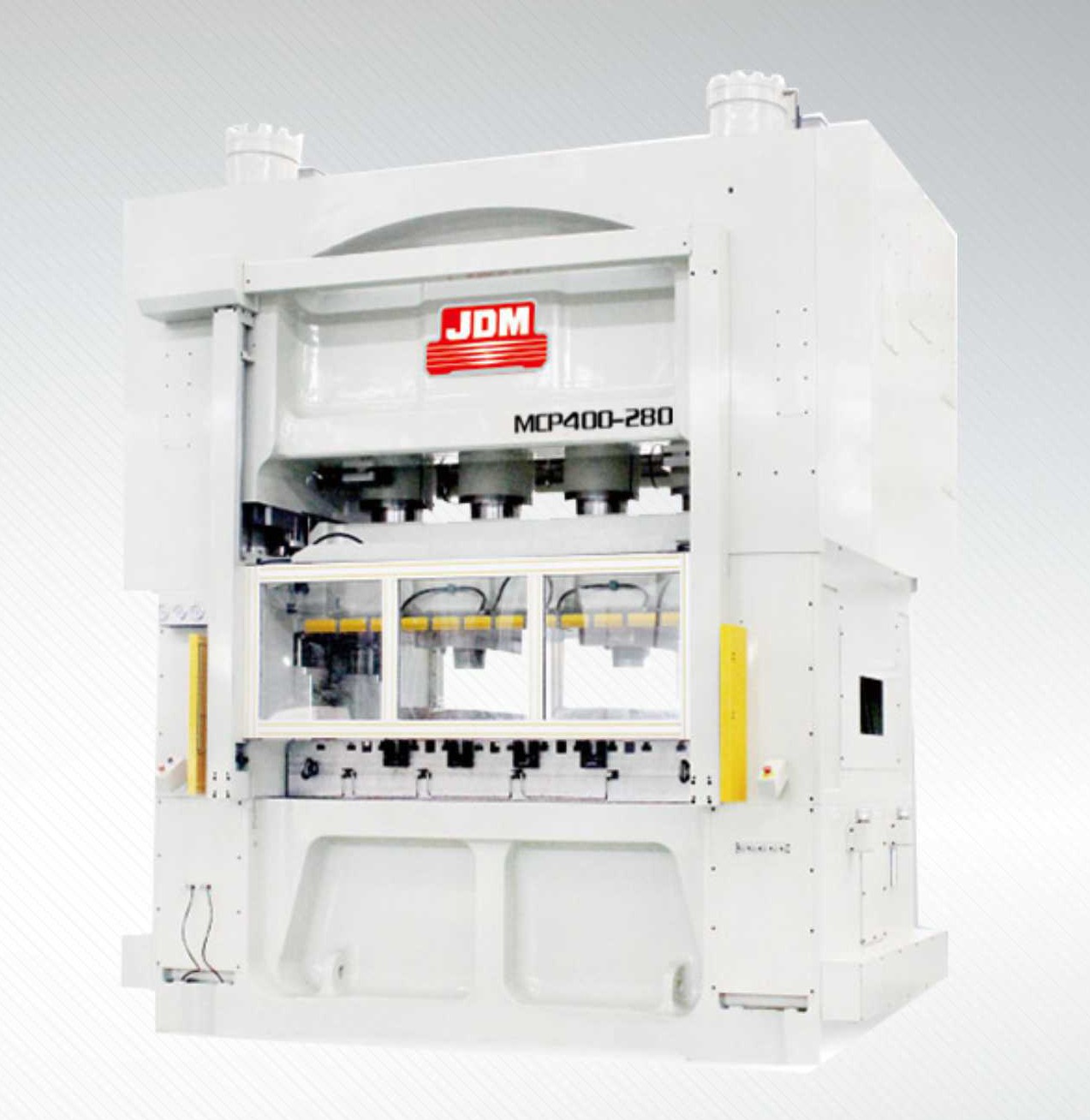
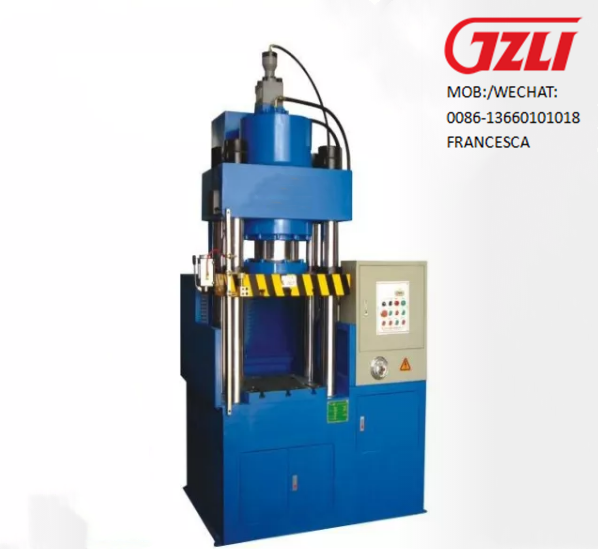
| Four-Post | Even pressure distribution | Very High | Molding, precision trimming |
Need to verify a factory's heavy machinery manufacturing capabilities before placing an order?
Talk to our teamManufacturing Vulnerabilities & Quality Control
The difference between a press that lasts decades and one that leaks hydraulic fluid within months comes down to factory-level execution. You cannot rely on a supplier's brochure; rigorous Factory Audits are essential to verify their in-house CNC machining and welding capabilities.
Frame Stress Relief
Welding heavy steel plates generates massive internal stresses. If the factory does not properly anneal (stress-relieve) the frame in a large furnace before machining, the frame will warp over time under load. Always verify the factory's thermal treatment processes.
Hydraulic Components
Cheap seals and unbranded valves lead to pressure drops and catastrophic leaks. Specify the exact origin of critical components. It is common practice for buyers to mandate internationally recognized brands (e.g., Rexroth, Yuken, or Parker) for pumps, proportional valves, and PLC controllers (e.g., Siemens, Mitsubishi).
Factory Acceptance Testing (FAT) Checklist
- Verify frame deflection under maximum tonnage load.
- Inspect hydraulic lines for leaks after a 24-hour continuous pressure hold test.
- Check platen parallelism at the bottom of the stroke using dial indicators.
- Validate safety systems (light curtains, two-hand controls, emergency stops).
To ensure these standards are met, implement strict Quality Control & Inspection protocols, including in-line inspections during the frame welding phase and comprehensive pre-shipment testing.
Sourcing Realities: MOQs, Pricing, and Logistics
Purchasing industrial machinery operates on different rules than standard consumer goods. Understanding the baseline expectations will help you negotiate more effectively.
Pricing Drivers
Beyond raw tonnage, the hydraulic system type heavily influences cost. Standard hydraulic systems are cheaper upfront but consume more energy. Servo-hydraulic systems, which use a servo motor to drive the pump, can reduce energy consumption by up to 60 percent, lower oil temperatures, and provide superior precision, but they carry a premium of 20 to 40 percent over standard models.
Shipping Heavy Machinery
Logistics for hydraulic presses are complex. High-tonnage machines often exceed standard container weight limits or dimensions, requiring flat rack containers or break-bulk shipping. Proper anti-rust packaging (vacuum sealing with desiccants) and heavy-duty wooden crating are mandatory. Coordinating this requires experienced Shipping & Freight management to avoid port delays and damage.
Managing heavy machinery logistics and customs clearance requires specialized expertise. Let us handle the supply chain.
Get a free consultationFrequently Asked Questions
Sourcing hydraulic presses requires looking past the spec sheet and into the factory's engineering culture. By demanding rigorous stress-relief processes, specifying premium hydraulic components, and enforcing strict FAT protocols, you can secure industrial machinery that delivers decades of reliable production.
Get Sourcing Help for Hydraulic Presses
Tell us your requirements and our experts will connect you with verified manufacturers.