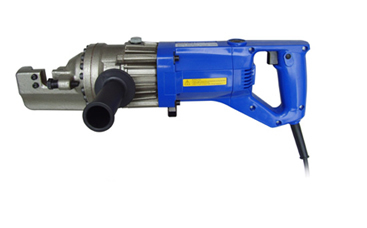
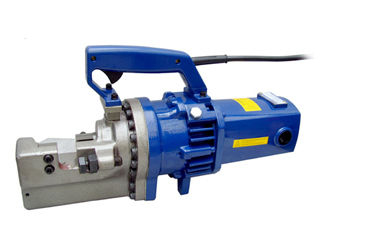
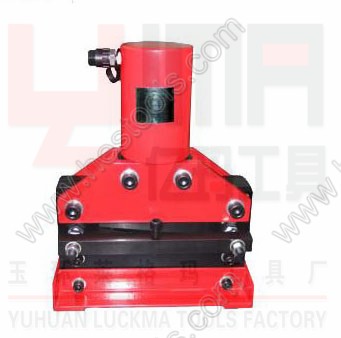
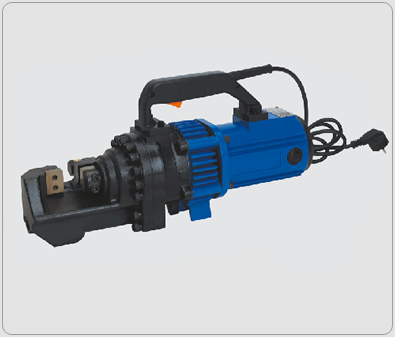
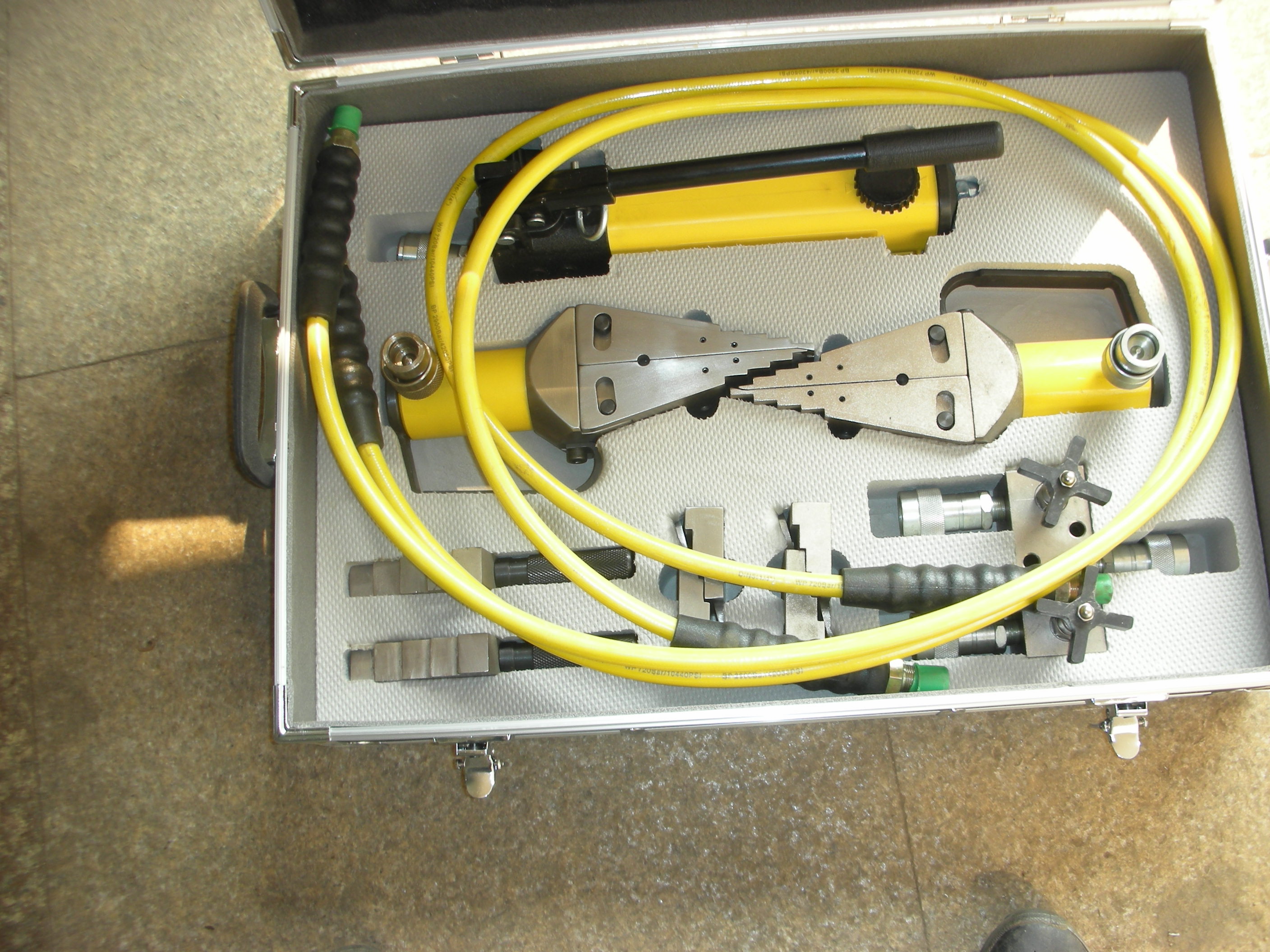
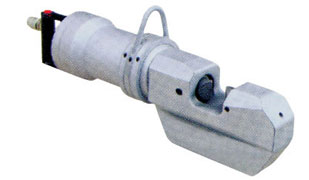
Hydraulic Pipe Cutters
Source professional-grade hydraulic pipe cutters from vetted manufacturers and suppliers. Designed for importers, industrial tool distributors, and brands seeking reliable OEM and private-label production. Secure bulk orders with competitive pricing, rigorous quality control, and direct factory access.
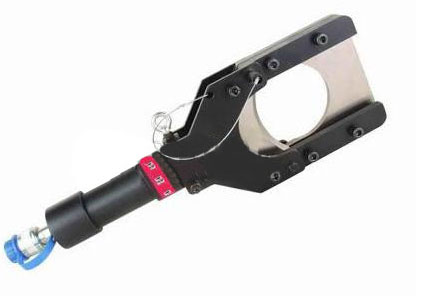
Hydraulic pipe cutters are high-stress industrial tools where failure means job-site downtime, ruined materials, or severe safety risks. Sourcing these tools in volume requires moving past basic catalog specifications to scrutinize the manufacturer's hydraulic cylinder machining tolerances and blade metallurgy. The core challenge in bulk procurement is identifying suppliers who maintain consistent heat treatment and use high-grade seals across entire production runs, rather than just on the initial golden samples.
Critical Specifications for Bulk Procurement
When negotiating with manufacturers, the specifications you mandate directly dictate the tool's lifespan and market positioning. Professional buyers must clearly define the parameters of the hydraulic system and the cutting head.
Hydraulic Output and Cylinder Design
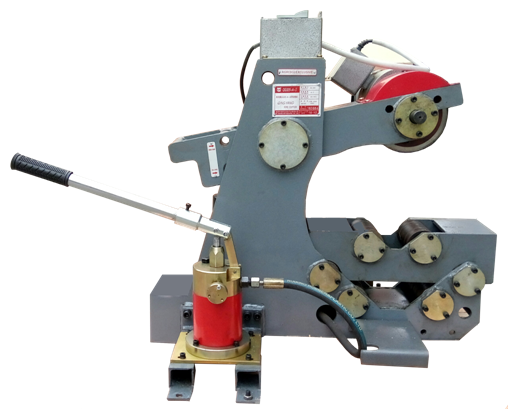
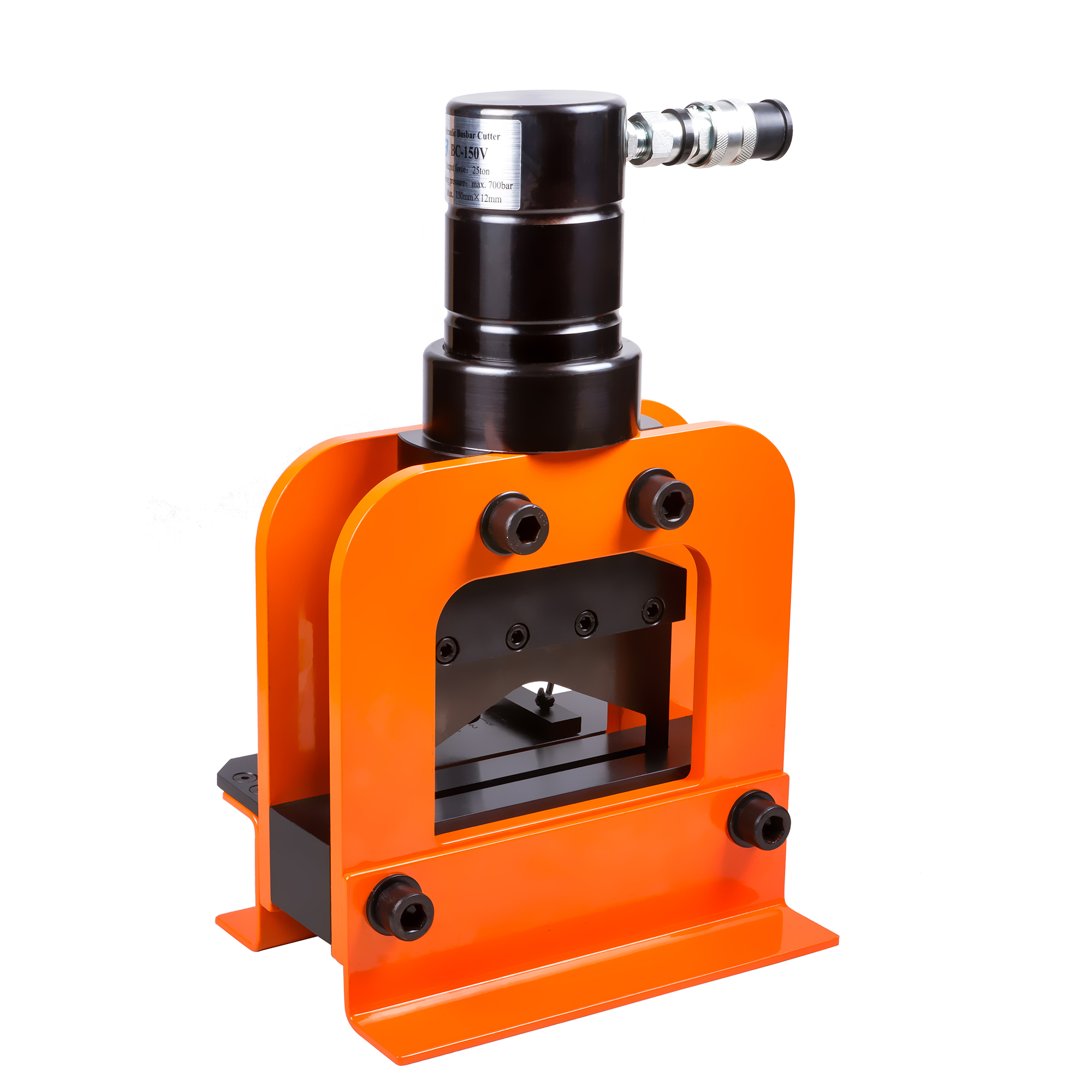
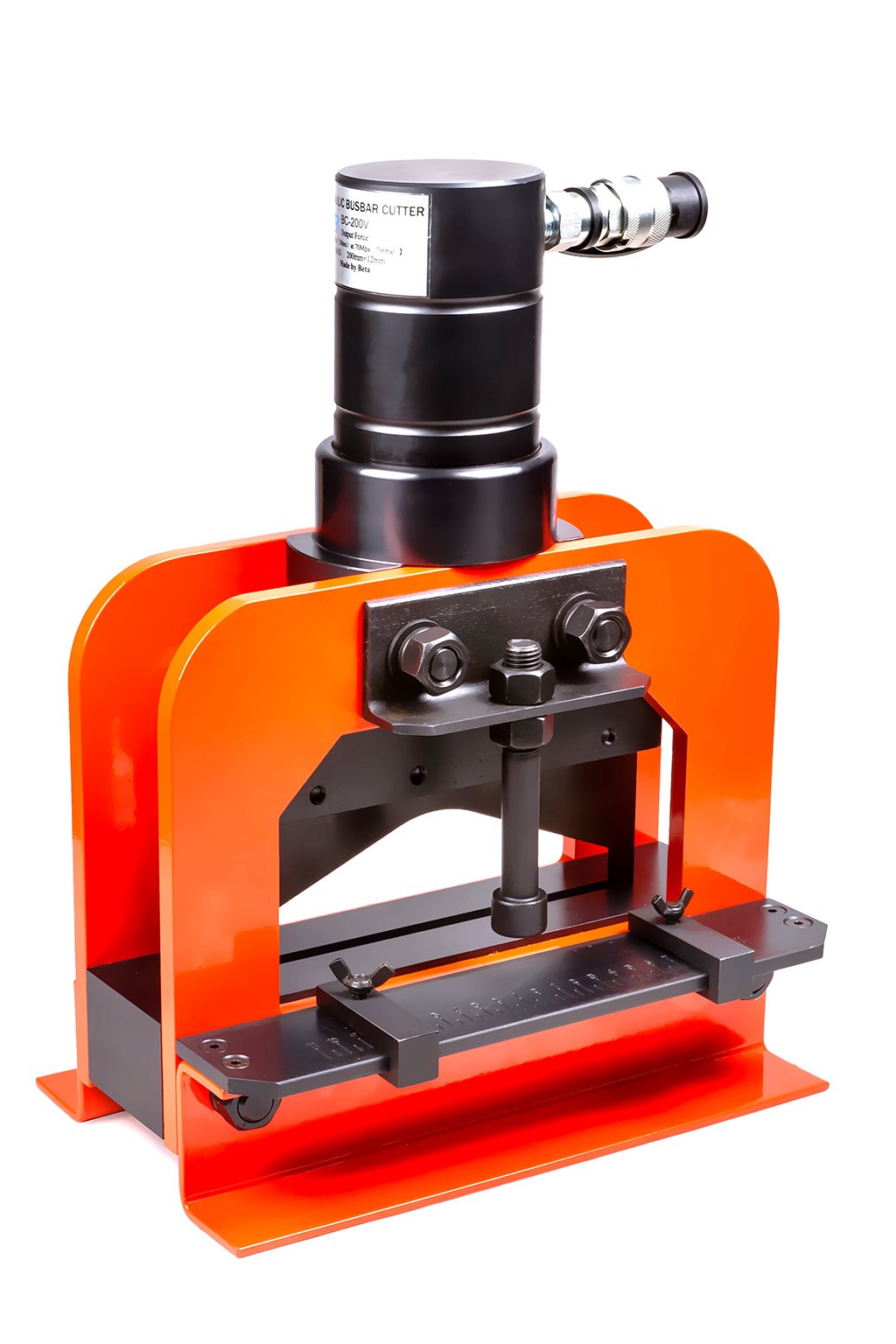
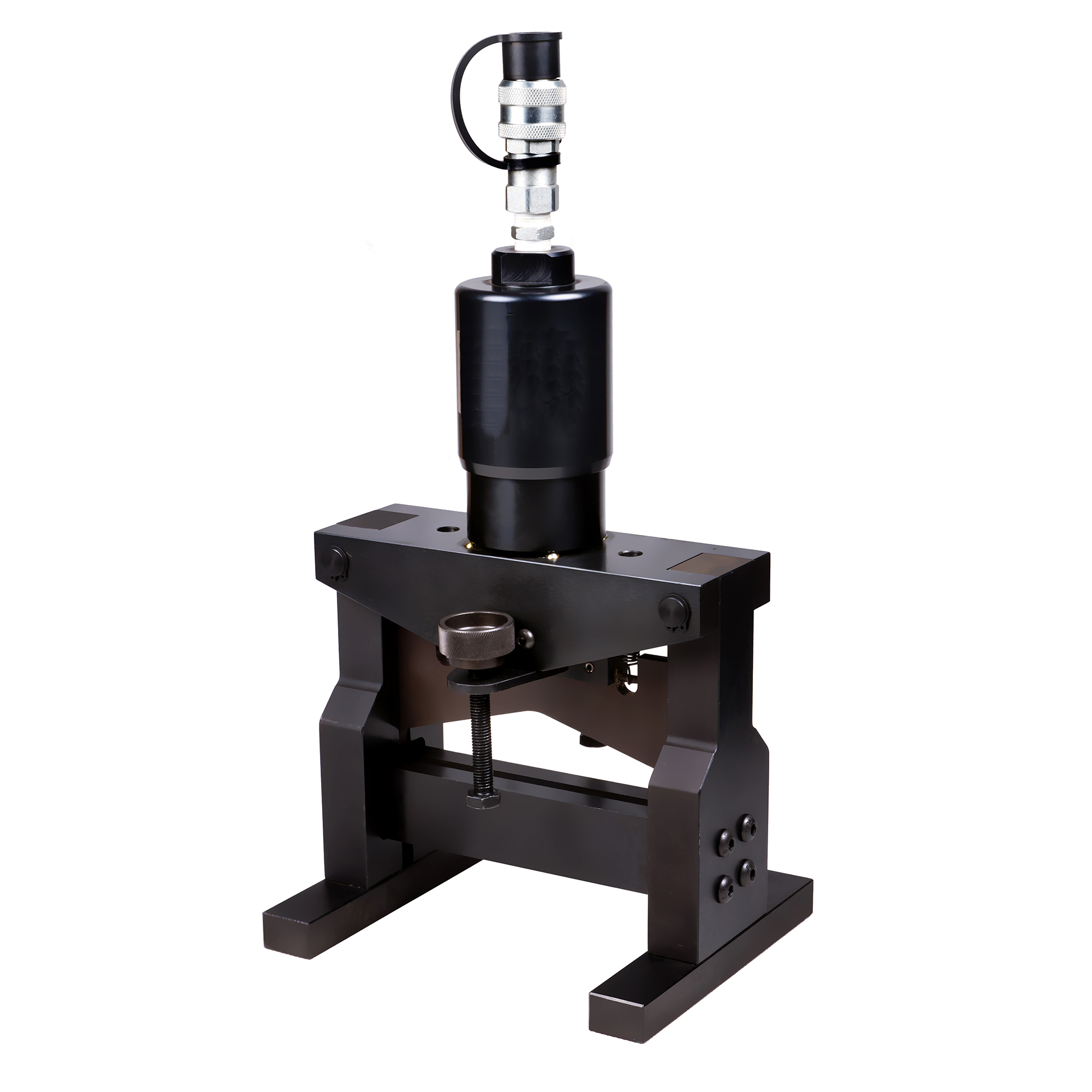
The output force, typically ranging from 8 to 20 tons, determines the tool's cutting capacity. However, the efficiency of delivering that force relies on the pump design. Double-speed hydraulic systems are standard for professional-grade tools, allowing rapid advancement of the blade to the pipe before shifting to a high-pressure, low-speed gear for the actual cut. You must specify the cylinder wall thickness and the internal honing finish; poor internal finishes will rapidly degrade the O-rings, leading to pressure loss.
Struggling to verify manufacturer claims on hydraulic tool performance? Let us help you audit and test their production line.
Talk to our sourcing expertsBlade Metallurgy and Hardness
The cutting blade undergoes immense localized stress. Standard carbon steel is insufficient for industrial applications. You must specify high-alloy tool steels and mandate strict heat treatment protocols.
| Blade Material | Typical Hardness (HRC) | Application & Performance |
|---|---|---|
| Standard Carbon Steel | 45-50 | Light-duty applications; prone to rapid dulling and chipping on hard metals. |
| Cr12MoV Alloy Steel | 58-62 | Excellent wear resistance; standard for professional plumbing and industrial use. |
| T10 / High-Speed Steel | 60-64 | Premium grade for continuous heavy-duty cutting of thick-walled pipes. |
Manufacturing Vulnerabilities and Quality Control
The manufacturing floor is where hydraulic tools succeed or fail. Many factories assemble tools using externally sourced hydraulic seals and blades, acting merely as assembly hubs. This fragmentation introduces significant quality risks.
Before committing to a supplier, thorough Factory Audits are essential to verify their in-house machining capabilities. If a factory outsources the CNC machining of the hydraulic pump body, they lose control over the micro-tolerances required to prevent oil leaks.
Implement a rigorous Quality Control & Inspection protocol focusing on the following failure points:
Pre-Shipment Inspection Focus Areas
- Hydraulic Seal Integrity: Pressure testing tools at maximum tonnage for 24 hours to check for micro-leaks.
- Blade Hardness Testing: Rockwell hardness (HRC) tests on multiple points of the blade to ensure uniform heat treatment.
- Relief Valve Calibration: Verifying the automatic pressure release valve engages exactly at the rated maximum tonnage to prevent cylinder blowout.
- Handle Ergonomics and Linkage: Checking the pivot pins and linkage arms for play or misalignment under load.
Customization and OEM Production
For brands looking to establish a strong market presence, off-the-shelf designs are rarely sufficient. Engaging in OEM/ODM Services allows you to customize the tool's ergonomics, aesthetics, and performance parameters.
Customization typically involves specifying powder-coated finishes for the tool body, custom-molded grips for better handling in oily environments, and laser-etched branding on the cutting head. If you are developing a proprietary blade geometry or a specialized quick-release mechanism, ensure your supplier has a proven track record in protecting intellectual property and maintaining strict mold ownership agreements.
Pricing, MOQs, and Lead Times
Pricing for hydraulic pipe cutters is heavily tied to the cost of raw steel, the grade of hydraulic oil and seals used, and the complexity of the pump mechanism.
Standardizing your order to utilize the factory's existing hydraulic cylinder molds can significantly reduce MOQs and lead times. However, custom blade profiles or specialized handle designs will push MOQs closer to 500 units to justify the setup costs.
Need accurate pricing and lead times for your next order of hydraulic tools? We can benchmark quotes from our vetted factory network.
Get a pricing consultationFrequently Asked Questions
Successfully sourcing hydraulic pipe cutters requires looking past the exterior finish and focusing on the internal engineering. By mandating specific material grades and enforcing strict pre-shipment pressure tests, you can eliminate the risk of importing tools that fail on the job site.
Get Sourcing Help for Hydraulic Pipe Cutters
Tell us your requirements and our experts will connect you with verified manufacturers.