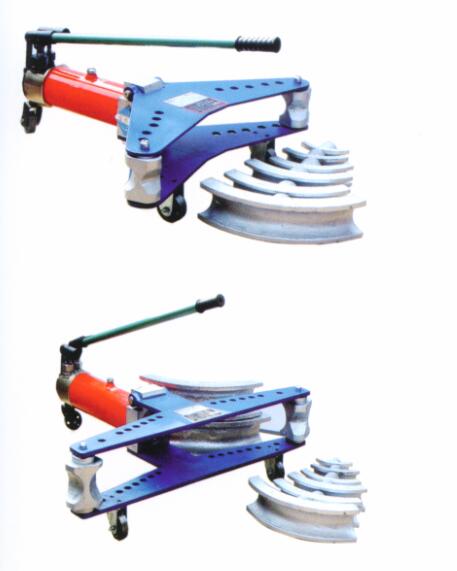
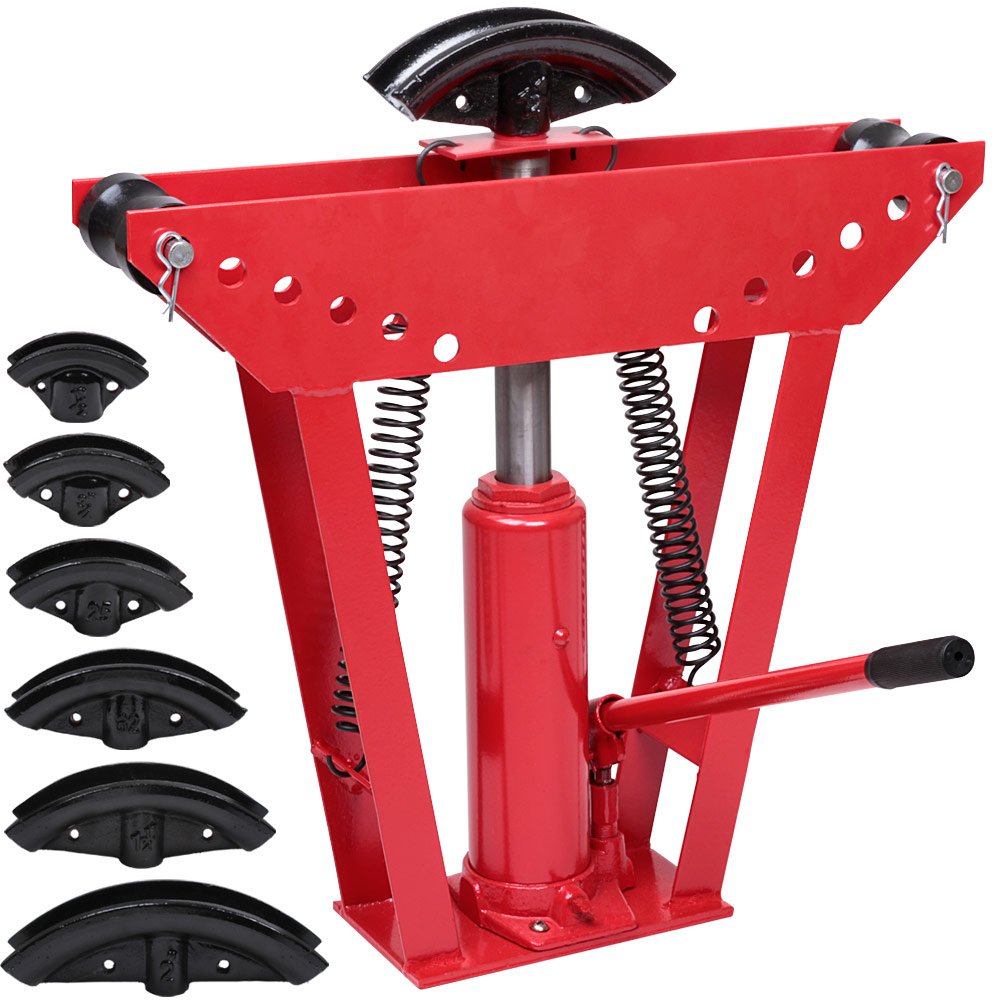
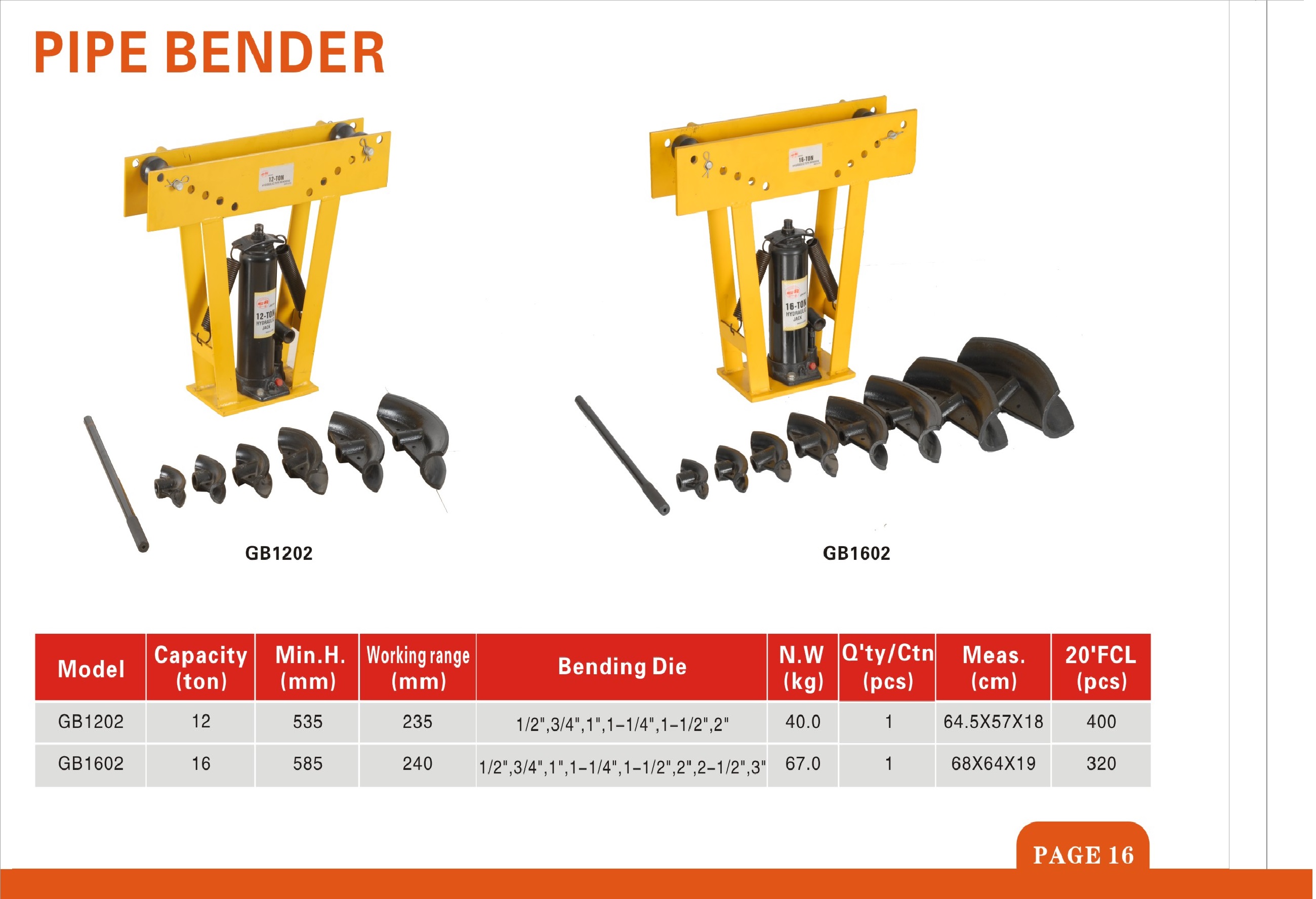
Hydraulic Pipe Benders
Source heavy-duty hydraulic pipe benders directly from vetted manufacturers and wholesale suppliers. Designed for importers, industrial distributors, and brands seeking reliable OEM production, our catalog connects you with high-performance tooling built for volume and precision.
Sourcing hydraulic pipe benders at scale requires managing a delicate balance between hydraulic reliability and raw structural integrity. A bending tool that leaks under pressure, suffers from cylinder scoring, or warps at the frame is a massive liability for your end-users. When importing these tools in bulk, success depends on specifying the right materials, verifying cylinder tolerances, and ensuring rigorous quality control on the factory floor.
Defining Your Specifications
When negotiating with manufacturers, vague specifications inevitably lead to compromised builds. To ensure the factory uses appropriately rated hydraulic cylinders and frame materials, you must define the exact performance parameters required for your target market.
| Bender Type | Typical Tonnage | Common Wall Thickness Limit | Target Application |
|---|---|---|---|
| Manual Hydraulic | 10T – 20T | Up to 3.5mm | Field work, HVAC, plumbing |
| Pneumatic/Hydraulic | 12T – 20T | Up to 4.0mm | Automotive, medium fabrication |
| Electric Hydraulic | 20T – 50T+ | Up to 5.5mm+ | Heavy industrial, structural |
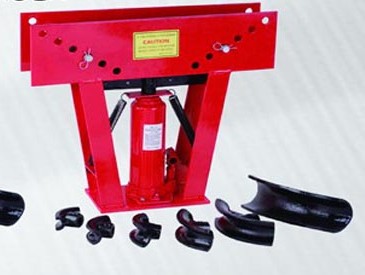
Beyond the drive mechanism, pay close attention to the die sets. Standard export models often feature cast iron dies, which are prone to cracking under high-tonnage stress. For professional-grade tools, specify nodular cast iron (ductile iron) or forged steel dies, which offer significantly higher tensile strength and resistance to deformation.
Manufacturing Vulnerabilities and Quality Control
The most frequent failure points in imported hydraulic tools are seal degradation, fluid contamination, and poorly cast frames. Many factories outsource their hydraulic cylinders, meaning the final assembly facility may not have direct control over the internal machining quality.
Need help verifying a manufacturer's cylinder quality? Our engineers can assess supplier technical capabilities before you place an order.
Talk to our teamTo mitigate these risks, robust Quality Control & Inspection is essential. A thorough pre-shipment inspection for hydraulic benders must go beyond visual checks.
Critical QC Checks for Hydraulic Benders
- Pressure Retention Test: Hold cylinder at maximum rated tonnage for 30 minutes to check for micro-leaks or pressure drops.
- Seal Verification: Ensure polyurethane or high-grade NBR O-rings are used, rather than cheap rubber alternatives.
- Die Dimensional Accuracy: Measure the radius of all included dies against acceptable tolerances to prevent pipe kinking.
- Frame Weld Inspection: Check top and bottom plates for weld porosity or incomplete penetration.
- Fluid Contamination Check: Sample the hydraulic oil to ensure no metal shavings remain from the cylinder machining process.
OEM Customization and Branding
For brands looking to establish a private-label line, OEM/ODM Services offer significant flexibility. Manufacturers can customize the paint finish (powder coating is highly recommended over standard liquid paint for chip resistance), brand the frame with laser etching or stamped metal plates, and configure custom die sets to match regional pipe standards (e.g., metric vs. imperial, rigid conduit vs. standard black pipe).
Sourcing Realities: MOQs, Pricing, and Lead Times
Pricing for hydraulic pipe benders fluctuates based on raw steel costs and the quality of the hydraulic components. Be wary of quotes that fall significantly below market average; this almost always indicates hollowed-out cylinder walls, inferior seals, or recycled scrap steel in the die castings.
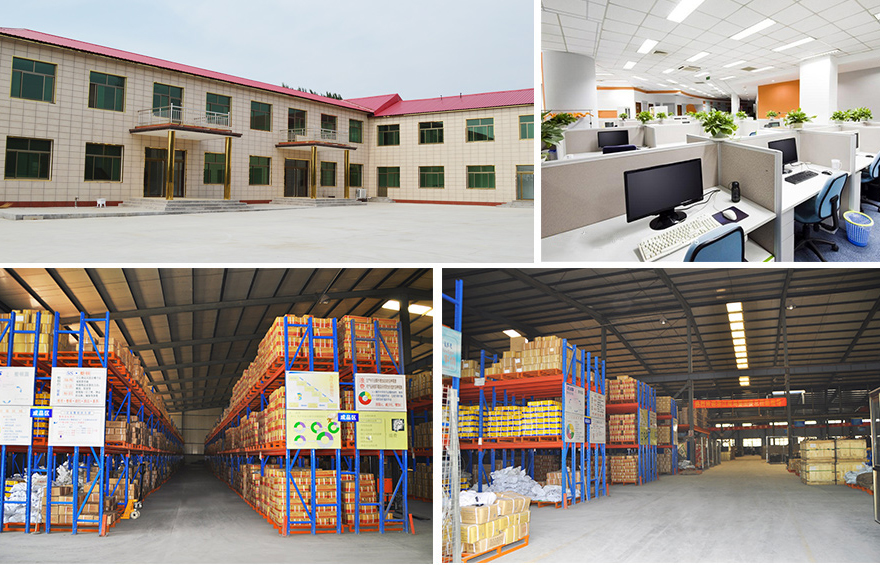
Before committing to a large volume order, conducting thorough Factory Audits is crucial. You need to confirm that the supplier actually machines their own frames and has a dedicated testing rig for hydraulic pressure, rather than just acting as an assembly workshop for disparate parts.
Struggling to find a manufacturer that meets your quality standards? Let us manage the sourcing and vetting process.
Get a free consultationFrequently Asked Questions
Successfully sourcing hydraulic pipe benders requires looking past the exterior paint job and focusing on the internal mechanics. By prioritizing cylinder integrity, die material strength, and rigorous testing protocols, you can secure tooling that performs reliably in the field, protecting your brand's reputation and bottom line.
Get Sourcing Help for Hydraulic Pipe Benders
Tell us your requirements and our experts will connect you with verified manufacturers.