Hydraulic Ironworkers
Source high-performance hydraulic ironworkers directly from vetted manufacturers and suppliers. Designed for importers, industrial machinery distributors, and brands requiring OEM production, our wholesale sourcing solutions ensure you secure reliable, heavy-duty fabrication equipment built to exact specifications and international standards.
Sourcing hydraulic ironworkers at scale requires balancing raw tonnage with sustained precision. For industrial buyers, the challenge isn't just finding a factory capable of assembling a steel frame and a hydraulic power pack; it is ensuring the machine maintains alignment across all punching, shearing, and notching stations under continuous heavy-duty use.
Core Specifications: Cylinders, Tonnage, and Stations
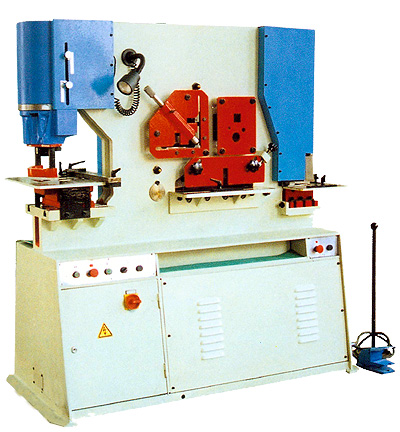
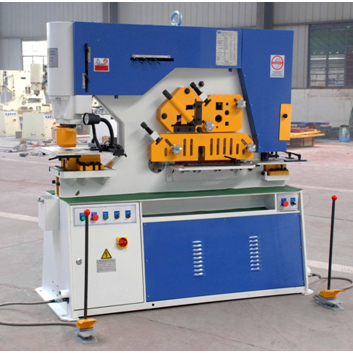
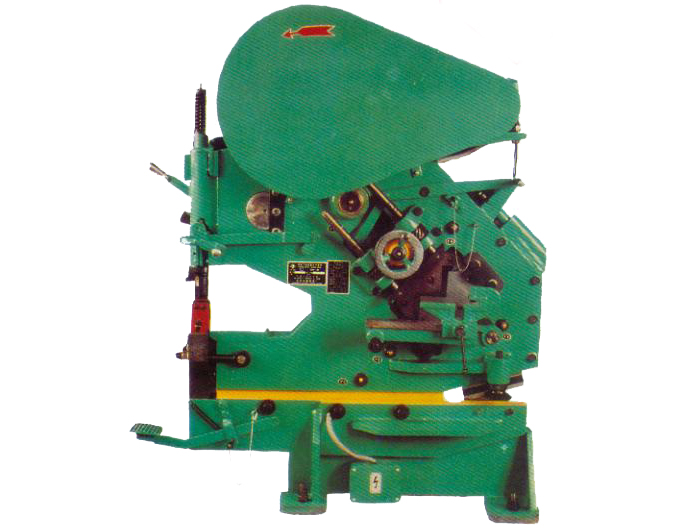
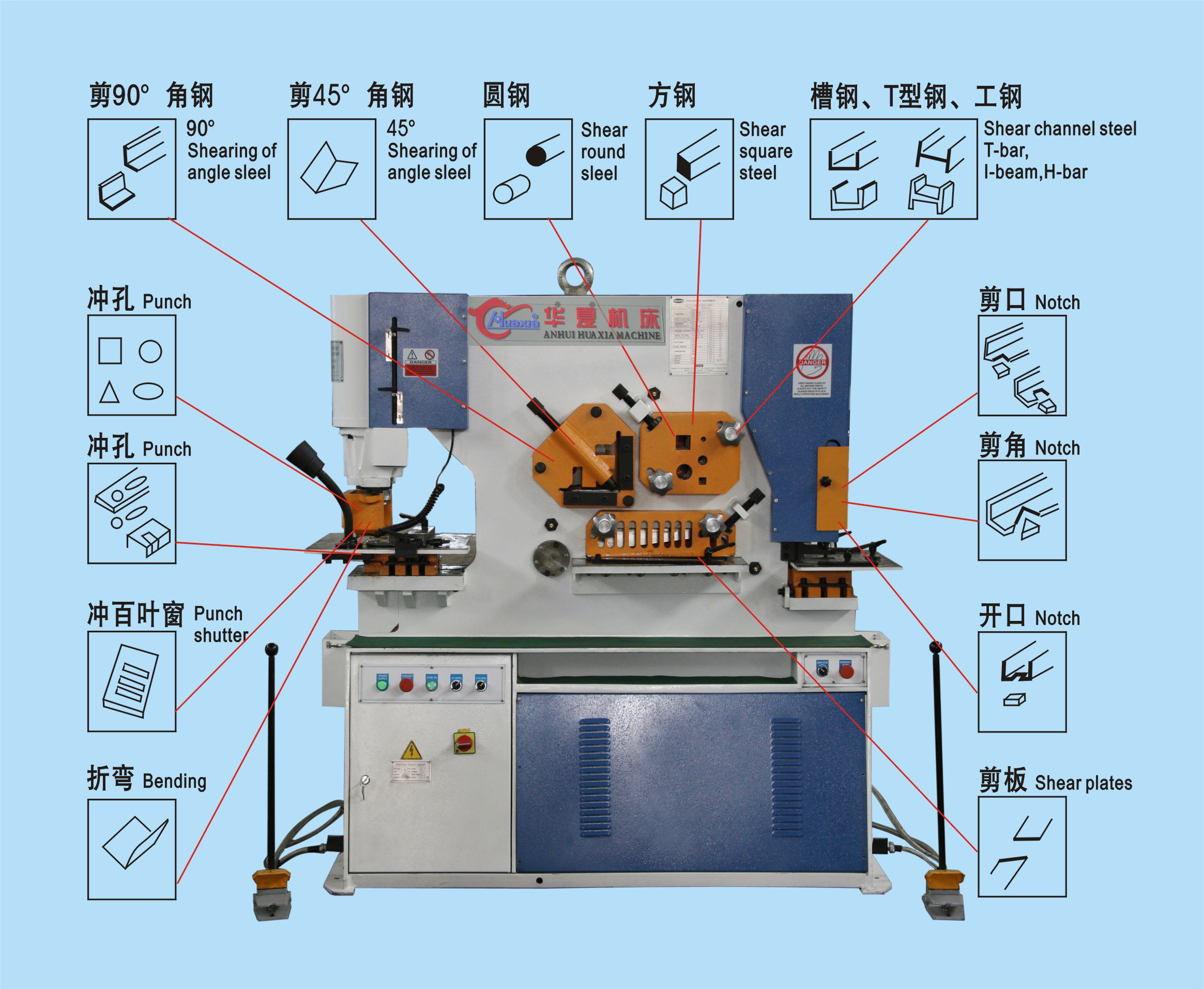
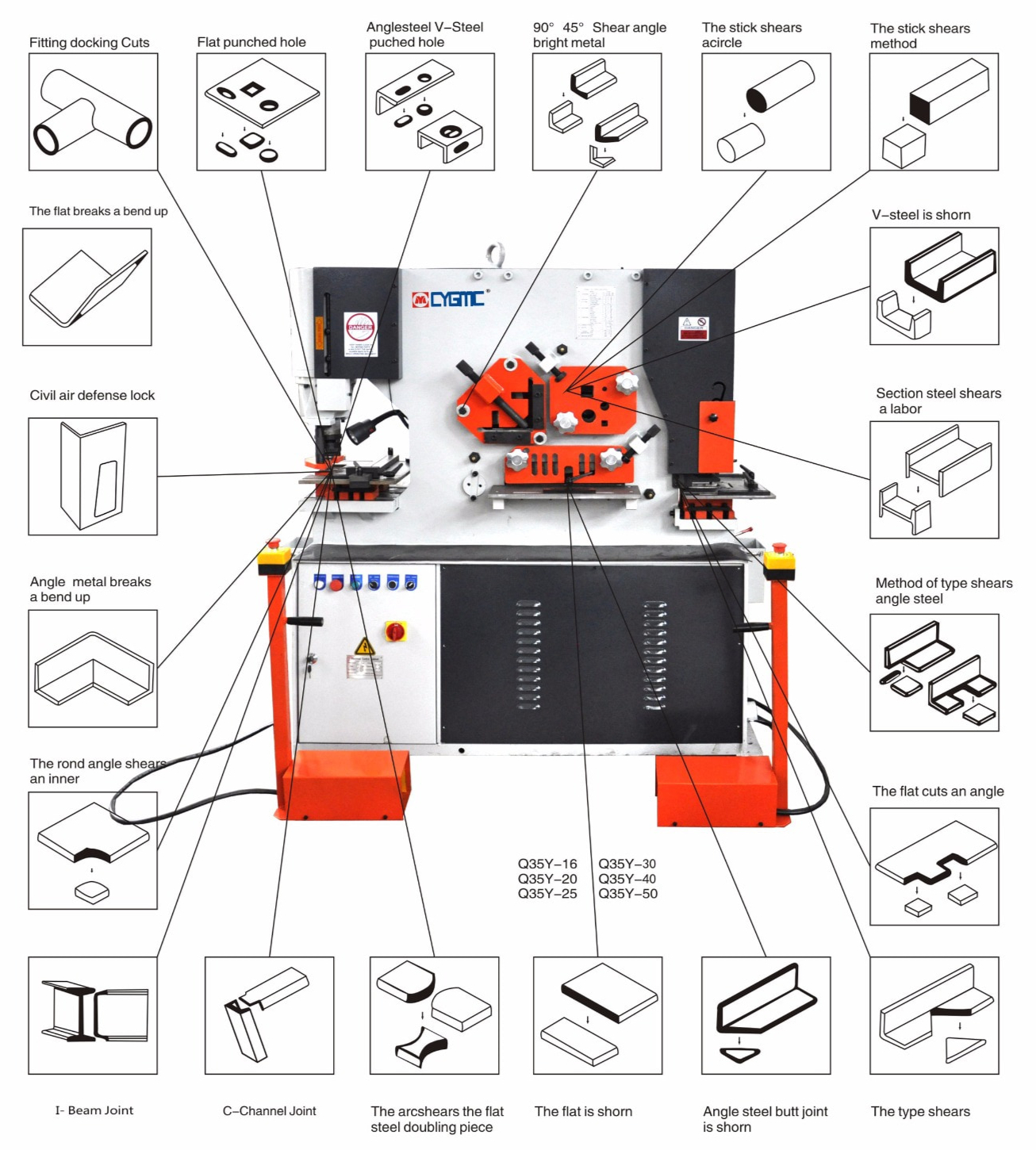
When evaluating suppliers, the foundational specification is whether the machine utilizes a single or dual-cylinder design. This dictates not only the output capacity but also how many operators can use the machine simultaneously. Standard configurations feature five stations: punch, angle shear, flat bar shear, round/square bar shear, and notcher.
| Machine Type | Typical Tonnage | Station Operation | Primary Application |
|---|---|---|---|
| Single Cylinder | 40T to 80T | One station at a time | Lighter fabrication, secondary shop use |
| Dual Cylinder | 60T to 175T+ | Two stations simultaneously | High-volume structural steel processing |
Beyond tonnage, buyers must specify the throat depth on the punching station. Standard throat depths range from 250mm to 300mm, but deep-throat models (up to 600mm) are frequently required for processing larger web plates. Specifying the correct throat depth upfront is critical, as it requires a substantially heavier, reinforced C-frame from the manufacturer.
Need help verifying technical specifications and vetting heavy machinery manufacturers?
Talk to our teamManufacturing Quality: Where Precision is Won or Lost
The longevity of a hydraulic ironworker is determined by the rigidity of its frame and the reliability of its hydraulic and electrical sub-components. Many factories in hubs like Ma'anshan (Anhui province) produce ironworkers, but their internal quality control standards vary wildly.
Assessing a factory's welding and machining capabilities requires thorough factory audits before you commit to a purchase order. Look for manufacturers that utilize thermal stress relief or vibration stress relief on their welded frames before machining; without this, the frame will warp over time, leading to premature tooling wear and inaccurate cuts.
Critical Component Inspection Points
- Hydraulic Valves: Specify internationally recognized brands (e.g., Rexroth, Yuken, or Bosch) to ensure stable pressure and easy maintenance.
- Cylinder Seals: Demand high-quality seals (e.g., NOK or SKF) to prevent hydraulic fluid leaks under high-pressure cycling.
- Electrical Components: Ensure the control panel uses Siemens, Schneider, or Omron contactors and relays, properly certified for your target market (CE/UL).
- Tooling Hardness: Verify that standard punches and dies are hardened to HRC 55 to 60 for optimal wear resistance.
To ensure these specifications are met on the factory floor, implementing rigorous quality control & inspection prior to packaging is essential. Inspectors should run the machine at maximum rated capacity to check for hydraulic pressure drops or structural deflection.
Pricing Drivers, MOQs, and Lead Times
Because hydraulic ironworkers are high-value capital equipment, the Minimum Order Quantity (MOQ) is typically just 1 unit. However, distributors importing for domestic resale often order in batches of 3 to 6 units to optimize container space.
Pricing is primarily driven by the tonnage capacity, cylinder configuration, and the inclusion of CNC automation (such as auto-positioning tables for the punch station).
Optimize your machinery procurement, quality control, and shipping strategy today.
Get a free consultationTransporting ironworkers requires careful logistical planning. Machines must be properly greased, wrapped in moisture-barrier materials, and securely bolted to heavy-duty steel or fumigated wooden pallets to prevent shifting. Coordinating this heavy, sometimes out-of-gauge transport requires experienced shipping & freight management to ensure safe arrival at your facility.
Frequently Asked Questions
Procuring industrial machine tools from overseas is a high-stakes process where poor quality control can lead to costly downtime for the end-user. By strictly defining component origins, verifying frame construction methods, and enforcing pre-shipment performance tests, buyers can secure robust ironworkers that deliver decades of reliable service.
Get Sourcing Help for Hydraulic Ironworkers
Tell us your requirements and our experts will connect you with verified manufacturers.