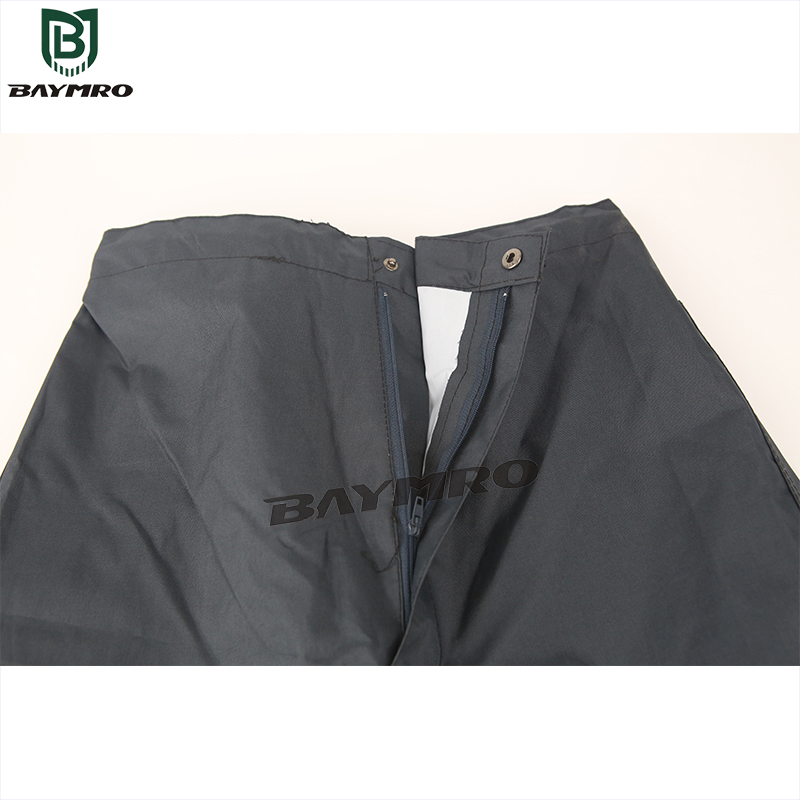
Hunting Wear
Source bulk hunting wear directly from vetted manufacturers and suppliers. Designed for importers, wholesalers, distributors, and brands seeking reliable OEM and private-label production, this catalog connects you with factories capable of delivering technical, weather-resistant, and stealth-optimized outdoor apparel at scale.
Sourcing technical hunting apparel requires balancing a triad of competing physical requirements: absolute weather protection, mechanical durability in abrasive brush, and near-silent acoustic performance. Standard outdoor sportswear factories often struggle to meet the strict stealth and camouflage pattern-matching demands of the hunting sector. Successfully manufacturing this gear requires specialized fabric sourcing, precision cutting, and rigorous seam-sealing capabilities.
Core Technical Specifications for Hunting Apparel
When developing technical outerwear for hunters, the fabric stack and membrane specifications dictate the product's performance and price tier. Buyers must clearly define the Hydrostatic Head (waterproofing) and Moisture Vapor Permeability (breathability) targets with their suppliers.
- Face Fabrics & Acoustics: Unlike standard rainwear that uses noisy nylon ripstop, hunting shells require a brushed tricot, microfleece, or sueded polyester face. This dampens the mechanical friction of the fabric during movement.
- Membrane Technologies: Most mid-to-high-tier gear utilizes a TPU (Thermoplastic Polyurethane) or PTFE (Polytetrafluoroethylene) membrane. A standard baseline for active hunting gear is 10,000mm waterproofing and 10,000g/m²/24h breathability (10k/10k), though premium alpine lines often push to 20k/20k.
- DWR Treatments: Durable Water Repellent coatings are transitioning globally. If you are importing to regions with strict chemical regulations, you must specify C0 (PFC-free) DWR, rather than the older, more durable C6 formulations.
| Construction | Common Application | Key Advantage | Manufacturing Complexity |
|---|---|---|---|
| 2-Layer (2L) | Insulated winter jackets, bibs | Softer drape, easier acoustic dampening | Moderate (requires drop liner) |
| 2.5-Layer (2.5L) | Lightweight packable rainwear | Highly packable, lightweight | High (printed membrane protection) |
| 3-Layer (3L) | Premium uninsulated hard shells | Maximum durability, no separate lining | Very High (complex seam taping) |
Manufacturing Complexities & Defect Prevention
Producing hunting gear involves distinct challenges on the factory floor. If you are utilizing OEM/ODM Services to develop custom camouflage patterns, the cutting phase becomes critical.
Camouflage Pattern Alignment
Standard apparel markers (the cutting layouts) are optimized for fabric yield to minimize waste. However, premium hunting wear requires pattern matching across seams, zippers, and pockets to avoid breaking the camouflage illusion. This reduces fabric yield and increases consumption by 10 to 15 percent, which must be factored into your target costing.
Seam Taping and Waterproofing Integrity
The most common point of failure in technical outerwear is the seam tape. Factories must match the tape width (typically 20mm or 22mm) and the application temperature/pressure precisely to the fabric's backer. A mismatch causes the tape to peel after a few wash cycles. Implementing strict Quality Control & Inspection protocols, including hydrostatic pressure testing on seam intersections during the in-line inspection phase, is non-negotiable.
Struggling with inconsistent waterproofing or poor pattern matching from your current factory? Let our sourcing experts audit your supply chain and connect you with specialized technical outerwear manufacturers.
Talk to our teamSourcing Dynamics: MOQs, Lead Times, and Pricing
Because hunting wear relies heavily on custom-printed face fabrics (specific camouflage patterns) and specialized lamination, the supply chain operates on longer timelines than basic cut-and-sew apparel.
Pricing is highly sensitive to the membrane choice and the complexity of the garment (number of waterproof zippers, articulated knees, magnetic pocket closures). Before committing to a large production run, conducting thorough Factory Audits is essential to verify that the supplier actually owns the necessary seam-sealing and laser-cutting machinery, rather than subcontracting the technical work to unvetted facilities.
Need help negotiating MOQs for custom camouflage runs or verifying a supplier's technical capabilities? Our team manages the entire process from factory vetting to final shipment.
Get a free consultationFrequently Asked Questions
Sourcing high-performance hunting wear requires looking past standard apparel manufacturers to find partners with genuine technical outerwear expertise. By strictly defining your membrane specs, enforcing pattern-matching tolerances, and verifying seam-sealing capabilities, you can secure reliable production that performs in the harshest field conditions.
Get Sourcing Help for Hunting Wear
Tell us your requirements and our experts will connect you with verified manufacturers.